
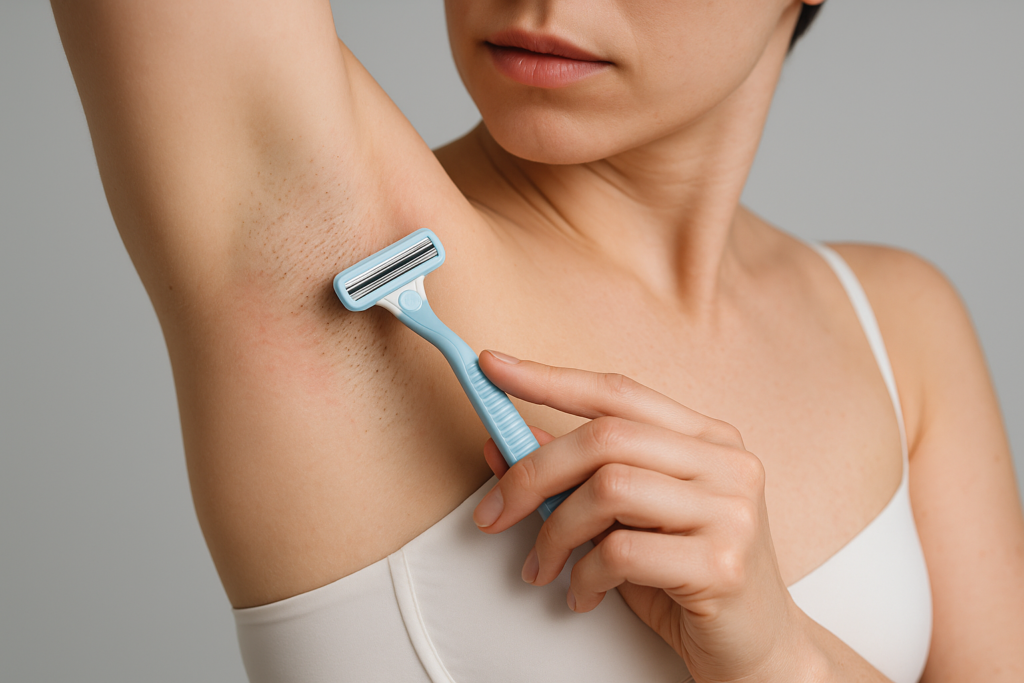
Can I Shave My Underarms After Laser Hair Removal? Expert Guidance on Post-Treatment Care
Here’s something that catches most laser hair removal clients off guard: yes, you absolutely can shave after your treatment, but the timing and technique matter far more than you might think. Many people walk out of their first session believing they should never touch a razor again, while others assume they can immediately return to their normal grooming routine without any adjustments. Both assumptions are wrong, and understanding the nuances of post-treatment shaving can mean the difference between exceptional results and disappointing ones.
The confusion surrounding shaving after laser hair removal stems from mixed information patients receive from various sources. Some clinics hand out generic aftercare sheets without explanation. Others provide contradictory advice that leaves clients second-guessing every grooming decision. At Bright and Beauty Laser Clinic in North York, we’ve observed that patients who understand the science behind post-treatment care achieve significantly better outcomes than those who simply follow rules without context. This knowledge transforms aftercare from a restrictive checklist into an empowering part of your hair removal journey.
Your underarms present unique challenges that differ from other treatment areas. The skin is thinner, more prone to irritation, and subject to constant friction from arm movement and clothing. Understanding how to properly care for this sensitive area after laser treatment isn’t just about following rules. It’s about protecting your investment and maximizing every session’s effectiveness.
The Science Behind Shaving After Laser Treatment
Laser hair removal works by targeting the melanin in your hair follicle with concentrated light energy. This energy travels down the hair shaft to the follicle root, where it converts to heat and damages the growth cells. Here’s the critical part: the hair needs to be present in the follicle during treatment for the laser to have a target, but it cannot extend too far above the skin surface, or the laser energy gets absorbed before reaching the follicle.
This is precisely why shaving before treatment is mandatory while waxing or plucking are absolutely forbidden. Shaving removes the hair above the skin while leaving the root intact in the follicle, creating the perfect conditions for laser effectiveness. But what happens immediately after treatment changes the equation entirely.
Post-treatment, your hair follicles have just absorbed significant thermal energy. The surrounding tissue experiences a controlled injury response, similar to a very mild burn. Your skin needs time to calm this inflammatory response before introducing additional trauma. Even something as routine as shaving creates microscopic cuts and irritation that healthy skin handles easily but recently treated skin cannot.
The treated hairs themselves go through a fascinating process called shedding. Over the next 7 to 21 days, the damaged hairs will gradually work their way out of the follicles. Some fall out on their own. Others appear to keep growing but are actually being pushed out as dead hairs. This is why you might notice stubble appearing a few days after treatment, even though the follicles were damaged. These aren’t new hairs growing; they’re dead hairs making their exit.
When Shaving Is Safe and Recommended
The 48-hour rule serves as the minimum waiting period before shaving treated underarms. This gives your skin time to complete the initial healing response and reduce inflammation. However, 48 hours represents the bare minimum, not the ideal timeframe. Many clients find waiting three to four days produces better results with less irritation.
Pay attention to how your skin looks and feels rather than watching the clock. Your underarms should return to their normal color without redness or visible irritation. The skin should feel comfortable, not tender or sensitive to touch. Some people heal faster than others based on their skin type, the laser settings used, and their individual physiology.
Once you pass the initial healing window, shaving becomes not just acceptable but actually beneficial. As those treated hairs start shedding, they can create an unkempt appearance that many people find frustrating. Gentle shaving helps remove these dead hairs and keeps the area looking clean between sessions. Unlike waxing or plucking, which can damage the follicle and interfere with future treatments, shaving has no negative impact on your laser hair removal results.
Between laser sessions, you should continue shaving as needed to manage any hair growth. Remember that laser hair removal requires multiple sessions because hair grows in cycles, and the laser can only affect hairs in the active growth phase. Between treatments, some hairs will continue growing normally because they were in dormant phases during your last session. Shaving these hairs keeps you comfortable and looking groomed without compromising the treatment process.
Proper Technique for Post-Laser Shaving
The way you shave after laser treatment requires more care than your pre-treatment routine. Your skin has been through a medical procedure, even though it might not look dramatically different. Treating it gently during the healing process prevents complications and discomfort.
Start with a clean, sharp razor. Dull blades require more pressure and multiple passes, both of which increase irritation. Multi-blade razors work well for most people, but if you have sensitive skin, consider using a single-blade safety razor that causes less friction. Electric razors offer another gentle option, though they may not provide as close a shave.
Always shave after showering when the hair is softened and the skin is hydrated. Hot water is your enemy immediately after treatment, but once you’re cleared to shave, warm water helps prepare the area. Apply a gentle, fragrance-free shaving cream or gel. The underarm area tends to be dry, so skip shaving foams that can be drying. Look for products designed for sensitive skin without added fragrances, dyes, or alcohol.
Use light pressure and let the razor do the work. Shave in the direction of hair growth first, then if needed, make a second gentle pass across the grain. Avoid shaving against the grain in the underarm area, as this increases the risk of ingrown hairs and irritation on recently treated skin. Rinse the razor frequently to prevent hair and shaving cream buildup that forces you to apply more pressure.
After shaving, rinse with cool water to close pores and pat the area dry with a clean towel. Never rub, as the friction can irritate healing skin. Apply a soothing, fragrance-free moisturizer to help the skin recover. Aloe vera gel works beautifully for this purpose, as does any gentle lotion formulated for sensitive skin.
What You Should Never Do After Underarm Laser Treatment
Certain hair removal methods and skin treatments are absolutely off-limits after laser hair removal. Understanding why these restrictions exist helps you avoid sabotaging your results or causing unnecessary complications.
Waxing and plucking top the list of prohibited activities. These methods remove the entire hair, including the root in the follicle. When you remove the hair root, you eliminate the laser’s target for your next treatment session. The laser needs that hair shaft present to effectively damage the follicle. Even one waxing session can set back your progress by requiring you to wait 4-6 weeks for hair to regrow before your next laser treatment. At Bright and Beauty Laser Clinic, we’ve seen countless clients delay their final results by months because they waxed or plucked between sessions.
Depilatory creams also cause problems, though for different reasons. These chemical hair removers work by dissolving the hair shaft. While they don’t remove the root like waxing does, the harsh chemicals can severely irritate recently treated skin. The combination of laser treatment and chemical depilatories can cause burns, hyperpigmentation, and prolonged healing times.
Threading falls into the same category as waxing and plucking since it removes the entire hair from the follicle. While threading is less common for underarms than for facial hair removal, some people do use this method, and it interferes with laser treatment just as much as waxing does.
Exfoliation requires careful timing. Harsh scrubs, loofahs, and exfoliating acids should be avoided for at least one week after treatment. Your skin is already processing the laser injury and shedding dead hairs. Adding aggressive exfoliation creates unnecessary trauma. Once your skin has fully healed, gentle exfoliation can actually help prevent ingrown hairs and assist with shedding, but timing matters enormously.
Sun exposure presents another significant risk. UV rays on recently treated skin can cause hyperpigmentation that may take months to fade. Your underarms might seem like an area that doesn’t get much sun, but raising your arms at the beach, pool, or during outdoor activities exposes this treated skin. Apply sunscreen if you’ll be in situations where your underarms might see sun exposure, and consider wearing clothing that keeps the area covered during peak healing times.
Managing Hair Shedding and the Appearance of Regrowth
The weeks following laser treatment often confuse people because their hair situation seems unpredictable. Understanding what to expect helps you stay calm and avoid making grooming mistakes during this critical period.
Treated hairs don’t fall out immediately. The laser damages the follicle during your appointment, but the dead or dying hairs take time to shed. This process typically begins around day 5 and continues for up to three weeks. During this shedding period, you might notice hairs that appear to be growing but feel different from normal hair. They often have a coarser texture and don’t grow as quickly as untreated hair would.
These hairs are being pushed out by your body’s natural exfoliation process. Some people can gently tug on these loose hairs and they come out easily. However, you should never aggressively pull or pluck at them. If they come out with the lightest touch, fine. If they resist, leave them alone and let them shed naturally or remove them with gentle shaving.
You might also notice what appears to be regrowth a few weeks after treatment. This typically isn’t the same hairs growing back. Instead, you’re seeing hairs that were in dormant phases during your treatment and have now entered the active growth phase. These hairs won’t be affected until your next laser session catches them in the right part of their growth cycle. This is completely normal and exactly why multiple sessions are necessary for complete hair removal.
The pattern of shedding and regrowth varies among individuals. Factors like hair color, skin type, hormonal influences, and the specific area being treated all affect timing. Underarm hair often responds quickly because the hair is typically dark and coarse, making it an ideal target for laser energy. Many clients notice significant reduction after just their first or second session in this area.
Special Considerations for Sensitive Underarm Skin
Underarms present unique challenges that require specialized care. The skin in this area is thinner and more delicate than most other body areas. It’s also subject to constant friction from arm movement, contact with clothing, and the application of deodorants and antiperspirants.
Deodorant and antiperspirant use requires careful consideration after laser treatment. Most experts recommend avoiding these products for 24-48 hours after your session. The combination of recently treated skin and the chemicals in these products can cause stinging, burning, or irritation. When you do resume using deodorant, choose gentle, fragrance-free options. If you experience any discomfort, switch to a different product or wait another day before applying.
Aluminum-based antiperspirants deserve special mention. Some studies suggest that applying antiperspirants immediately after laser treatment might increase skin sensitivity. While research remains limited, erring on the side of caution makes sense. If you must use an antiperspirant, wait at least 48 hours and watch for any adverse reactions.
Clothing choices affect healing and comfort. Tight-fitting clothes create friction against recently treated skin. Synthetic fabrics that don’t breathe can trap heat and moisture, creating an environment prone to irritation. For the first few days after treatment, wear loose, natural fiber clothing that allows air circulation. Cotton works particularly well for this purpose.
Some people experience changes in sensation after underarm laser treatment. Temporary numbness, tingling, or heightened sensitivity can occur. These changes typically resolve within a few days as the skin heals. If you notice these sensations, be extra gentle when shaving. Use even lighter pressure than usual and consider using an electric razor until normal sensation returns.
Hyperpigmentation risk is higher in people with darker skin tones or those prone to post-inflammatory pigmentation changes. Following all aftercare instructions carefully minimizes this risk. If you notice darkening of the treated area that doesn’t resolve within a few weeks, contact your treatment provider. Early intervention with appropriate skincare products can prevent long-term pigmentation issues.
Maximizing Your Treatment Results Between Sessions
The care you provide between laser sessions significantly impacts your overall results. Think of each treatment as building on the previous one. Proper maintenance ensures you’re getting the most from your investment and timeline.
Consistency with your appointment schedule matters enormously. Hair grows in cycles, and timing your sessions to catch new hairs as they enter the active growth phase optimizes effectiveness. For underarms, most people need treatments every 4-6 weeks initially, then spacing increases as hair growth diminishes. Missing appointments or spacing them too far apart allows hair cycles to reset, requiring additional sessions to achieve your desired results.
Between sessions, maintaining properly shaved underarms helps you track your progress. You’ll notice treated areas growing less hair, hair growing more slowly, and individual hairs becoming finer. These changes indicate the treatment is working. Keeping the area shaved prevents you from becoming discouraged by the appearance of hair that hasn’t been treated yet.
Hydration and skin health play supporting roles in treatment effectiveness. Well-hydrated skin responds better to laser treatment and heals more quickly. Drink plenty of water and use a quality moisturizer daily. Avoid products with harsh chemicals, fragrances, or ingredients that cause irritation. Your underarm skin should be healthy and calm going into each treatment session.
Some medications and supplements can affect hair growth or skin sensitivity. If you start any new medications between sessions, inform your treatment provider. Certain antibiotics, hormonal medications, and other drugs might require adjusting your treatment plan or timing.
Document your progress with photos if you find it helpful. The gradual reduction in hair growth can be difficult to notice day-to-day, but comparing photos from before your first treatment to several sessions later often reveals dramatic improvement. This documentation also helps your treatment provider make any necessary adjustments to optimize your remaining sessions.
Frequently Asked Questions
How long after laser hair removal can I start using deodorant again?
Wait at least 24 hours before applying deodorant, though 48 hours is better for sensitive skin. Choose fragrance-free, gentle formulations for the first week after treatment. If your deodorant causes any stinging or burning, stop using it and wait another day or two. Natural deodorants without harsh chemicals often work better during the healing period. Once your skin returns to normal, you can resume your regular deodorant without restrictions.
Why does hair seem to grow after my laser treatment?
What appears to be growth is actually the shedding process. The laser damaged the hairs during treatment, but they remain in the follicles for days or weeks afterward. As your body pushes these dead hairs out, they emerge from the skin, creating the illusion of growth. Additionally, hairs that were dormant during your treatment will enter their growth phase and become visible. These untreated hairs will be addressed during your next session. This is why multiple treatments are necessary for complete hair removal.
Can I use an electric razor instead of a manual razor after treatment?
Electric razors are actually an excellent choice for post-treatment shaving. They typically cause less skin irritation than manual razors because they don’t make direct contact with the skin. If you already own an electric razor, it’s perfectly fine to use after the initial 48-hour healing period. The main consideration is ensuring the device is clean and the blades are in good condition. Some people find electric razors don’t provide as close a shave, but for post-treatment maintenance, this is perfectly acceptable.
What should I do if I accidentally plucked or waxed between sessions?
Contact your treatment provider immediately if you’ve removed hair from the root between sessions. Depending on how much area was affected and how soon your next appointment is scheduled, you might need to reschedule. The hair needs time to regrow before laser can effectively target it again. This typically means waiting 4-6 weeks from when you plucked or waxed. While this setback is frustrating, it’s important to let the hair regrow rather than waste a treatment session on an area without sufficient target hair. Use this as a learning experience and stick to shaving only for the remainder of your treatment series.
Is it normal for one underarm to respond differently than the other?
Asymmetric results are surprisingly common. Many people have differences in hair density, growth patterns, and even hormonal influences between their left and right sides. You might notice one underarm sheds hair more quickly or shows more dramatic reduction after the same number of treatments. This doesn’t indicate a problem with your treatment. Your provider can adjust settings for each side if needed to optimize results. Most people find that by the end of their treatment series, both underarms achieve similar final results, even if the journey there looked different.
Getting Professional Care for Your Underarm Laser Hair Removal
Understanding proper aftercare sets you up for success, but the quality of your initial treatment matters just as much. Working with experienced professionals who use appropriate equipment and customize treatments to your specific needs makes all the difference in achieving smooth, hair-free underarms.
The team at Bright and Beauty Laser Clinic brings extensive experience in treating the underarm area, along with other popular treatment zones like bikini and Brazilian areas, full legs, and facial hair removal. Every treatment is customized based on your skin type, hair characteristics, and personal goals. Located at 4789 Yonge St, Unit 408 in North York, Toronto, the clinic provides detailed aftercare instructions specific to each treatment area, ensuring you know exactly how to care for your skin between sessions.
Ready to experience the confidence of smooth, hair-free underarms? Book your consultation at Bright and Beauty Laser Clinic by calling (416) 666-4500 or visiting brightandbeautylaserclinic.com/book. The experienced team will assess your needs, explain what to expect, and create a treatment plan designed to deliver the lasting results you want with the professional care you deserve.