
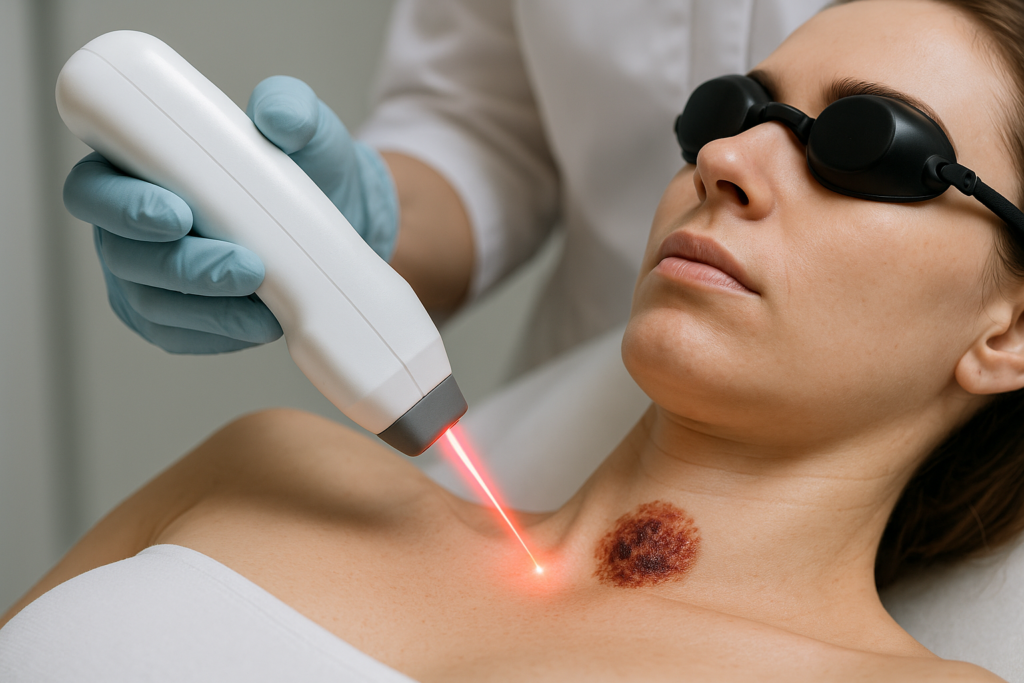
Can Hair Laser Removal Cause Cancer? Expert Medical Facts You Need to Know
The question hits our consultation desk at least three times a week: does laser hair removal cause cancer? It’s a concern that stops many people from booking their first session, and understandably so. After all, we’re talking about concentrated light energy directed at your skin. The surprising truth? Laser hair removal has been extensively studied for over three decades, and the scientific consensus is clear. The non-ionizing radiation used in cosmetic lasers operates at wavelengths incapable of damaging cellular DNA, the primary mechanism through which cancer develops. Unlike X-rays or UV radiation from tanning beds, medical-grade hair removal lasers work on an entirely different spectrum that targets melanin in hair follicles without penetrating deep enough to affect internal organs or trigger malignant cell mutations. This distinction isn’t just technical jargon. It represents the fundamental difference between safe cosmetic procedures and actual carcinogenic exposure, a difference backed by extensive clinical research and millions of successful treatments worldwide.
Understanding the Science: How Laser Technology Actually Works
To grasp why laser hair removal doesn’t cause cancer, you need to understand what’s actually happening during treatment. Medical lasers emit concentrated light at specific wavelengths, typically between 694nm to 1064nm depending on the device type. These wavelengths are carefully selected because melanin, the pigment in hair, absorbs them efficiently.
When the laser pulse hits your skin, the melanin in the hair shaft absorbs the light energy and converts it to heat. This heat travels down to the hair follicle, damaging the growth cells without significantly affecting surrounding tissue. The entire process occurs in milliseconds.
Here’s the critical part: this is non-ionizing radiation. Think of the electromagnetic spectrum as a ladder. At the bottom, you have radio waves and microwaves. Moving up, you encounter infrared light, visible light, and then the cosmetic lasers we use for hair removal. These all fall into the non-ionizing category. They don’t carry enough energy per photon to knock electrons out of atoms or break chemical bonds in DNA molecules.
Cancer-causing radiation, by contrast, sits higher on that ladder. Ultraviolet rays, X-rays, and gamma rays are ionizing. They possess sufficient energy to directly damage genetic material, creating mutations that can lead to cancer. The wavelengths used in laser hair removal simply cannot do this. It’s not a matter of exposure time or intensity. The physics doesn’t allow it.
At Bright and Beauty Laser Clinic, we use FDA-approved laser systems specifically because they operate within these safe wavelengths. Our equipment targets hair follicles at depths of 1-4 millimeters below the skin surface. That’s remarkably shallow, affecting only the dermis where hair roots live, never reaching deeper tissues or organs.
What Decades of Clinical Research Tell Us
The medical community doesn’t take cancer risk lightly. Since laser hair removal gained FDA approval in the late 1990s, researchers have conducted extensive long-term studies tracking patients for years after treatment. The results consistently show no increased cancer incidence among people who undergo laser hair removal.
A comprehensive review published in the Journal of Clinical and Aesthetic Dermatology examined over 30 years of laser hair removal data. Researchers found zero credible cases where the procedure initiated cancer. More importantly, follow-up studies tracking patients for 10-15 years post-treatment revealed no elevated rates of skin cancer, melanoma, or internal malignancies compared to the general population.
Consider the scale of real-world evidence. Millions of laser hair removal sessions occur annually worldwide. If there were even a modest cancer risk, we would see clear epidemiological signals by now. We don’t. Dermatologists, oncologists, and radiation safety experts agree: the procedure poses no carcinogenic threat.
Some patients worry about repeated exposure over multiple sessions. Standard treatment plans involve 6-8 sessions spaced weeks apart. Even accounting for maintenance treatments, the cumulative exposure remains far below any threshold that could theoretically cause cellular damage. Remember, we’re talking about non-ionizing radiation that fundamentally cannot alter DNA structure.
The American Cancer Society, Cancer Research UK, and similar organizations have reviewed the evidence and consistently state that laser hair removal does not cause cancer. These aren’t organizations prone to dismissing potential health risks. Their endorsement carries significant weight.
Debunking Common Myths and Misconceptions
Despite solid scientific backing, myths persist. Let’s address the most common ones we encounter during consultations at our North York location.
Myth: Any radiation causes cancer. This conflates different types of radiation. The term “radiation” simply means energy moving through space. Your television remote uses infrared radiation. Your phone uses radio wave radiation. Neither causes cancer because they’re non-ionizing. Laser hair removal falls into this same safe category.
Myth: Lasers can trigger existing moles to become cancerous. Reputable practitioners never treat directly over moles or suspicious lesions. We map and avoid these areas. The laser energy doesn’t penetrate deep enough to affect the cellular structures within a mole. That said, if you have concerning moles, you should consult a dermatologist before any cosmetic procedure, not because the laser poses risk, but because you need medical evaluation of those lesions.
Myth: Heat from lasers damages cells and causes mutations. The heat generated during laser hair removal is localized to the hair follicle and dissipates within seconds. Modern cooling systems built into laser devices protect the surrounding skin. While burns can occur with improper technique, thermal injury and cancer formation are completely different processes. A burn is acute tissue damage that heals. Cancer requires specific DNA mutations that don’t result from brief, controlled heating.
Myth: Multiple treatments accumulate risk. This assumes that non-carcinogenic exposure somehow becomes carcinogenic with repetition. It doesn’t work that way. You could have 100 sessions, and the wavelengths still wouldn’t possess the energy required to damage DNA. It’s like saying if you listen to the radio long enough, it will eventually emit X-rays. The physics simply doesn’t support it.
What About People With Cancer History?
This question deserves special attention because cancer survivors rightfully exercise caution about any procedure. The good news: laser hair removal doesn’t increase recurrence risk for past cancer patients.
If you’re currently undergoing cancer treatment, timing matters more than the laser itself. Chemotherapy and radiation therapy can make skin more sensitive and affect hair growth patterns. Most oncologists recommend waiting until you’ve completed treatment and your immune system has recovered before pursuing cosmetic procedures.
For breast cancer survivors considering underarm laser hair removal, specific considerations apply. If you’ve had lymph nodes removed or radiation to the chest area, your healthcare provider might suggest avoiding laser treatments on the affected side due to altered lymphatic drainage and potential sensitivity, not cancer risk. This is about healing and comfort, not carcinogenicity.
Some cancer treatments cause unwanted hair growth due to hormonal changes. Laser hair removal can actually improve quality of life for these patients. We’ve worked with survivors who found that eliminating excess facial or body hair helped them feel more like themselves again after treatment.
The key is communication. Always disclose your medical history during consultation. We coordinate with your oncologist when needed to ensure timing is appropriate and you’re physically ready for treatment. At Bright and Beauty Laser Clinic, we take these conversations seriously because your safety and peace of mind matter above everything else.
Comparing Actual Cancer Risks: Perspective Matters
When evaluating any procedure’s safety, context helps. Let’s compare laser hair removal to genuinely risky behaviors and exposures.
| Activity/Exposure | Cancer Risk Level | Mechanism |
|---|---|---|
| Laser Hair Removal | No increased risk | Non-ionizing radiation, no DNA damage |
| Tanning Beds | Significantly increased | UV radiation directly damages DNA |
| Unprotected Sun Exposure | Moderately to significantly increased | Cumulative UV damage to skin cells |
| Medical X-rays | Minimal but measurable | Ionizing radiation, risk justified by medical need |
| Smoking | Dramatically increased | Multiple carcinogens causing widespread cellular damage |
This comparison isn’t meant to minimize other health concerns, but to provide realistic perspective. The same person worried about laser hair removal might spend hours in the sun without sunscreen, unknowingly exposing themselves to genuine carcinogens.
UV radiation from the sun damages DNA directly. After a session of face laser hair removal, walking to your car in bright sunlight without sunscreen poses infinitely more cancer risk than the laser treatment you just received. That’s not hyperbole. It’s physics.
Understanding risk hierarchy helps make informed decisions. Laser hair removal ranks among the safest cosmetic procedures available, with a risk profile comparable to professional facials or massage therapy. Meanwhile, behaviors many consider routine, like outdoor tanning or smoking, carry substantial cancer risk.
Safety Standards and Regulatory Oversight
Medical lasers don’t hit the market without rigorous testing. The FDA classifies laser hair removal devices as medical equipment, requiring manufacturers to demonstrate both efficacy and safety before approval. This process involves preclinical testing, controlled trials, and long-term follow-up data.
Each device must prove it operates within safe parameters. Manufacturers specify maximum energy levels, pulse durations, and cooling requirements. Clinics must maintain these devices according to strict protocols, with regular calibration and safety checks.
Operator training matters enormously. At Bright and Beauty Laser Clinic, our technicians undergo extensive certification covering skin types, laser physics, safety protocols, and emergency procedures. We don’t hire untrained staff and hope for the best. Professional competency directly impacts treatment safety and effectiveness.
State and provincial regulations add another oversight layer. In Ontario, health regulations govern who can operate medical lasers and under what conditions. These aren’t arbitrary rules. They exist because while laser hair removal itself doesn’t cause cancer, improper technique can cause burns, scarring, or other complications.
When choosing a clinic, verify their credentials. Ensure they use FDA-approved or Health Canada-approved devices. Ask about technician training and certification. A reputable clinic welcomes these questions because they’ve invested in meeting high standards.
What Patients Should Actually Worry About Instead
Cancer risk isn’t a concern with properly performed laser hair removal. But that doesn’t mean the procedure is entirely without considerations. Let’s discuss actual risks worth understanding.
Skin burns and discoloration: Improper settings or technique can cause burns, particularly on darker skin tones. Modern lasers with adjustable settings minimize this risk, but operator skill matters. Burns heal, but temporary or rarely permanent discoloration can occur.
Ineffective treatment: Wrong laser type for your hair and skin combination means wasted time and money. Lasers work best on dark hair against light skin because of melanin contrast. Very light blonde, red, or gray hair doesn’t respond well to most laser systems because there’s insufficient melanin to absorb the energy.
Eye safety: Laser light can damage eyes if proper protection isn’t used. This is why both patient and technician wear protective eyewear during treatment. Never remove these during a session.
Infection risk: While minimal, any skin treatment carries slight infection risk if post-treatment care instructions aren’t followed. Keep treated areas clean, avoid touching with unwashed hands, and follow all aftercare guidelines.
Unrealistic expectations: Laser hair removal significantly reduces hair growth but rarely achieves 100% permanent removal. Most people need maintenance sessions. Understanding this upfront prevents disappointment.
These represent genuine considerations when pursuing treatment. Cancer simply isn’t on the list. When patients at our Toronto location express concerns, we redirect the conversation to these actual factors that affect their experience and results.
Proper consultation addresses your specific situation. Skin type, hair characteristics, medical history, and current medications all influence treatment planning. For example, if you’re considering bikini and Brazilian laser hair removal or full legs laser hair removal, the approach differs based on your individual factors, not cancer concerns.
The Real Conversation About Long-Term Health
Shifting focus from unfounded cancer fears opens space for meaningful health discussions. Long-term benefits of laser hair removal extend beyond cosmetics for many patients.
Chronic ingrown hairs plague some people, causing painful infections and scarring. Repeated infections in areas like the neck or back sometimes require antibiotic treatment. Laser hair removal eliminates the root cause by preventing hair regrowth. This represents a genuine health improvement, not just cosmetic enhancement.
For people with polycystic ovary syndrome (PCOS) or other conditions causing excessive hair growth, the psychological burden can be significant. Depression and anxiety linked to unwanted hair are real medical concerns. Effective hair removal improves mental health outcomes for these individuals.
Athletes often pursue laser hair removal for performance and hygiene reasons. Swimmers reduce drag. Cyclists prevent saddle sores. Runners avoid chafing. These practical benefits support their sport and overall wellbeing.
Elderly or disabled individuals who struggle with shaving due to limited mobility or vision problems find laser hair removal improves their independence and quality of life. When arthritis makes handling razors difficult, permanent hair reduction offers practical freedom.
These conversations matter more than debunked cancer myths. They represent how the procedure actually impacts lives. Yes, many people choose laser hair removal purely for appearance, and that’s completely valid. But understanding the broader applications shows why this technology has become so widespread and valued.
Making an Informed Decision
Knowledge empowers better choices. Now that you understand laser hair removal doesn’t cause cancer, you can evaluate the procedure based on relevant factors: cost, time commitment, expected results, and personal priorities.
Start with realistic expectations. Research shows most people achieve 70-90% permanent hair reduction after completing their treatment series. Results vary based on hormonal factors, hair characteristics, and body area treated. Some people need yearly maintenance sessions to manage regrowth.
Consider your budget and timeline. A full treatment course requires multiple sessions spaced 4-8 weeks apart. Planning for this commitment upfront prevents frustration. While the upfront cost exceeds waxing or shaving, the long-term economics often favor laser treatment when you calculate years of alternative methods.
Think about seasonal timing. Many people start treatment in fall or winter because you should avoid sun exposure before and after sessions. Tanned skin has more melanin, making it harder for the laser to distinguish between skin and hair, which increases burn risk and decreases effectiveness.
Choose your provider carefully. This decision matters far more than cancer concerns that don’t actually exist. Research clinics, read reviews, verify credentials, and trust your instincts during consultation. A pushy sales approach or dismissive attitude toward your questions signals problems.
During consultation, ask about device types, experience with your skin type, realistic results you can expect, total cost including estimated maintenance, and what happens if you’re unsatisfied with results. Reputable clinics answer these questions thoroughly without defensiveness.
Frequently Asked Questions
Can laser hair removal increase melanoma risk if I have moles?
Laser hair removal does not increase melanoma risk. However, we always avoid treating directly over moles or unusual lesions. If you have many moles or a family history of melanoma, get a skin check from a dermatologist before starting laser treatment. This precaution isn’t because lasers cause melanoma, but to ensure any suspicious lesions are identified and monitored appropriately. We map the treatment area and work around moles safely.
Is it safe to get laser hair removal while pregnant or breastfeeding?
There’s no evidence that laser hair removal harms pregnancy or affects milk production. However, most practitioners recommend waiting until after pregnancy and breastfeeding. This caution stems from hormonal changes during pregnancy that affect hair growth patterns, potentially making treatment less effective. Additionally, pregnant women often experience increased skin sensitivity. It’s a practical recommendation rather than a safety concern about cancer or fetal harm.
Does laser hair removal affect internal organs or lymph nodes?
Laser energy penetrates only 1-4 millimeters into the skin, reaching the hair follicles in the dermis. It cannot reach internal organs, lymph nodes, or deeper structures. The wavelengths used are absorbed by melanin and don’t travel beyond the treatment site. Even when treating areas near lymph nodes, like the underarms, the laser doesn’t affect these deeper tissues. This shallow penetration is precisely why the procedure can’t cause the systemic changes necessary for cancer development.
If lasers don’t cause cancer, why do some consent forms mention cancer as a theoretical risk?
Comprehensive consent forms list every theoretical risk, no matter how remote, for legal protection. You might see cancer mentioned alongside extremely rare possibilities. This doesn’t mean these risks are real or documented. It means the clinic is being legally thorough. Always discuss specific concerns with your provider. They can explain which risks are theoretical versus documented, helping you understand what actually matters for your situation.
Can people with cancer currently undergo laser hair removal treatments?
Active cancer treatment timing matters more than the laser itself posing risk. Chemotherapy and radiation make skin more sensitive and unpredictable in how it heals. Most oncologists recommend waiting until treatment is complete and your system has recovered. The concern isn’t that laser hair removal will worsen cancer or interfere with treatment, but that your body may not heal optimally. Always coordinate with your cancer care team before scheduling any cosmetic procedure during or immediately after treatment.
Your Next Steps Toward Smooth, Carefree Skin
Understanding that laser hair removal doesn’t cause cancer removes a significant barrier for many people considering treatment. The science is clear, the research is extensive, and the real-world evidence from millions of treatments confirms what physics tells us: non-ionizing laser wavelengths simply cannot cause the DNA damage necessary for cancer development.
At Bright and Beauty Laser Clinic, located at 4789 Yonge St, Unit 408, North York, Toronto, we combine FDA-approved technology with expert technique to deliver safe, effective results. Our team takes time to address your specific concerns, evaluate your skin and hair type, and create a personalized treatment plan that matches your goals. Whether you’re interested in treating a small area or pursuing full body laser hair removal, we provide honest assessments and realistic expectations. Call us at (416) 666-4500 to discuss your questions, or visit our booking page to schedule your consultation today. The freedom of permanent hair reduction awaits, backed by science, safety, and expertise you can trust.