
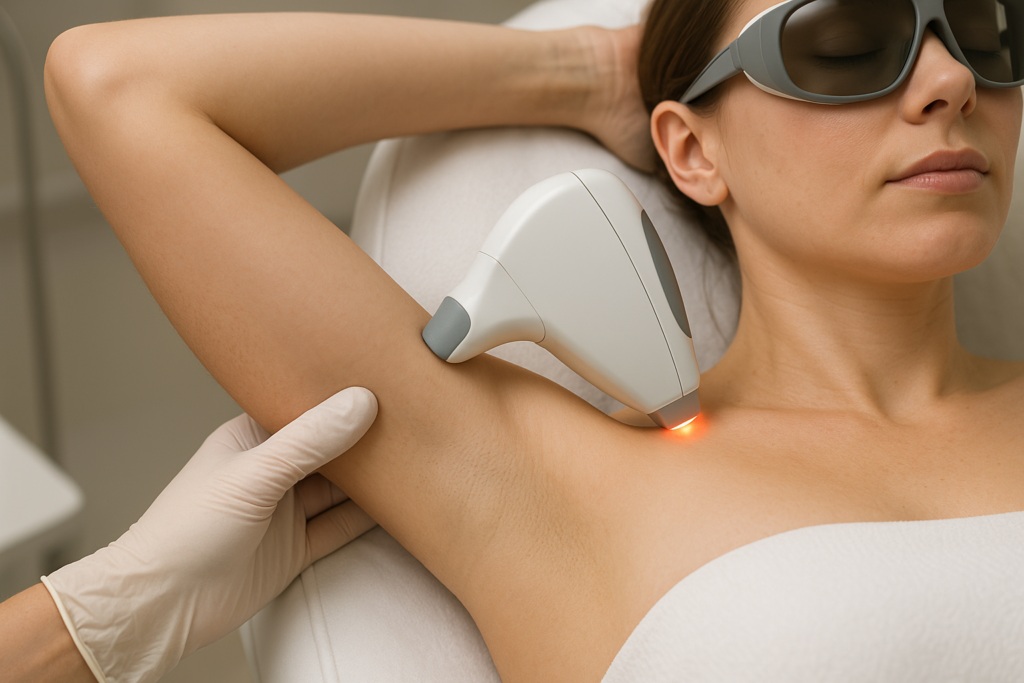
Can Laser Hair Removal Lighten Underarms? The Science Behind Skin Tone Changes
Dark underarms remain one of the most common cosmetic concerns patients bring to our practice, often accompanied by genuine confusion about their cause. Many people assume darkened underarms stem from poor hygiene, when the reality is far more complex. Friction, irritation from shaving, hormonal changes, and post-inflammatory hyperpigmentation all contribute to this persistent issue. What surprises most patients during consultations is learning that the very method designed to eliminate unwanted hair can also address skin discoloration. The question we hear repeatedly at our North York clinic is straightforward: can laser hair removal lighten underarms? The answer requires understanding both how laser technology targets melanin and why removing hair follicles impacts skin tone. The relationship between hair removal methods and skin pigmentation is more direct than most realize. While laser treatments primarily target hair follicles, they simultaneously create conditions that encourage skin lightening through multiple biological pathways that extend beyond simple hair elimination.
Understanding the Root Causes of Underarm Darkening
Before exploring how laser treatments affect skin tone, we need to identify what creates dark underarms in the first place. The underarm area experiences unique challenges that make it particularly susceptible to hyperpigmentation.
Friction represents the primary culprit. Constant rubbing from clothing and arm movement creates chronic low-grade inflammation. Your body responds by producing excess melanin as a protective mechanism, similar to how skin tans after sun exposure. This friction-induced darkening intensifies with tight clothing, certain fabrics, and increased body weight that creates more skin-on-skin contact.
Traditional hair removal methods compound the problem significantly. Shaving creates micro-abrasions that trigger inflammatory responses. Each pass of the razor removes not just hair but also the outermost protective layer of skin cells. Repeated trauma leads to a cycle of irritation and healing that gradually darkens the area. Waxing and plucking pull hair against its natural growth direction, causing folliculitis and ingrown hairs that leave dark spots long after inflammation subsides.
The visible hair follicles themselves contribute to perceived darkness. Even freshly shaved underarms often appear gray or shadowy because hair shafts remain visible beneath the skin surface. This optical effect makes the area look darker than surrounding skin, particularly for those with coarse, dark hair growing from fair skin.
Deodorants and antiperspirants occasionally trigger contact dermatitis or allergic reactions. Certain chemical ingredients interact poorly with freshly shaved skin, causing irritation that manifests as darkening over time. Alcohol-based products prove especially problematic when applied immediately after hair removal.
Hormonal fluctuations during pregnancy, menopause, or conditions like polycystic ovary syndrome can stimulate melanocyte activity throughout the body, with underarms showing particularly visible changes. Insulin resistance associated with metabolic conditions also promotes a specific type of darkening called acanthosis nigricans, which affects skin folds including underarms.
How Laser Technology Targets Melanin in Hair Follicles
Laser hair removal operates on the principle of selective photothermolysis. This complex term describes a straightforward concept: targeting specific structures while leaving surrounding tissue unharmed.
The laser emits concentrated light at wavelengths absorbed preferentially by melanin, the pigment that gives hair its color. When laser energy penetrates skin, it seeks out the highest concentration of melanin, which exists in the hair shaft and follicle. This targeted energy converts to heat, reaching temperatures sufficient to disable the follicle’s ability to produce new hair without damaging adjacent skin structures.
Modern lasers used for underarm treatments include alexandrite, diode, and Nd:YAG systems. Each wavelength penetrates to different depths and works optimally for specific skin and hair combinations. The choice of laser type significantly impacts both hair removal efficacy and potential skin lightening effects.
During treatment, the laser pulse lasts mere milliseconds. This brief duration ensures heat concentrates in the hair follicle before dispersing into surrounding tissue. The thermal damage triggers follicle destruction while stimulating collagen production and cellular turnover in the dermis, processes that contribute to overall skin quality improvement.
The selectivity of laser treatment means it targets pigment wherever it concentrates. In underarms with post-inflammatory hyperpigmentation, some laser energy interacts with excess melanin in the skin itself, not just in hair follicles. This interaction explains why many patients notice gradual lightening as they progress through treatment sessions.
Between sessions, the body’s natural healing response removes damaged tissue, including some of the excess pigment that created discoloration. This cellular renewal brings fresh, undamaged skin to the surface, contributing to the brightening effect many experience.
The Mechanism Behind Skin Lightening During Laser Hair Removal
The skin lightening that occurs alongside laser hair removal results from multiple simultaneous processes. Understanding these mechanisms helps set realistic expectations about timing and results.
First, eliminating the hair itself removes the shadowy appearance created by dark hair visible beneath the skin surface. This immediate optical change makes underarms look lighter even before true pigmentation changes occur. Patients often notice this difference after just one or two sessions.
Second, stopping traumatic hair removal methods allows chronic inflammation to resolve. When you cease shaving, waxing, or plucking, your underarm skin enters a healing phase. Without constant irritation, melanocyte activity normalizes, and existing hyperpigmentation gradually fades through natural skin cell turnover.
Third, the laser energy itself impacts melanin distribution in the epidermis. While primarily targeting follicular melanin, some energy absorption occurs in pigmented skin cells. This controlled interaction can reduce melanin concentration in the treated area, particularly when combined with appropriate cooling systems that protect the epidermis while allowing deeper penetration.
Fourth, post-treatment skin care becomes dramatically simpler. Without daily shaving, patients can consistently apply products that support skin lightening, such as vitamin C serums, niacinamide, or gentle exfoliants. These products work more effectively on intact skin rather than freshly abraded tissue.
The cumulative effect develops over weeks and months. Most patients at Bright and Beauty Laser Clinic notice progressive lightening beginning around the third session, with optimal results visible after completing the full treatment series. The improvement continues even after treatments conclude, as skin continues renewing itself without ongoing trauma.
One critical factor involves realistic expectations about the final shade. Laser hair removal can help underarms approach the natural tone of surrounding unexposed skin, but it cannot lighten them beyond your baseline skin color. Genetic factors establish limits that no cosmetic treatment can overcome.
Comparing Results Across Different Skin Types
Fitzpatrick skin types significantly influence both the approach to laser hair removal and the degree of skin lightening patients experience. This classification system, ranging from Type I (very fair) to Type VI (deeply pigmented), guides treatment parameter selection.
Individuals with lighter skin and dark hair (Fitzpatrick Types I-III) typically see the most dramatic lightening effects. The high contrast between skin and hair allows aggressive treatment parameters that efficiently target follicles while the lower baseline skin melanin reduces risk of adverse effects. These patients often report that underarms match surrounding skin tone almost perfectly after completing their treatment series.
Medium skin tones (Fitzpatrick Types IV-V) require more conservative laser settings to prevent paradoxical darkening, where excessive heat triggers increased melanin production. Despite this caution, these patients still experience notable lightening, though progress may occur more gradually across additional sessions. The key involves selecting appropriate laser wavelengths, particularly Nd:YAG systems that penetrate deeply while minimizing epidermal heating.
Deeply pigmented skin (Fitzpatrick Type VI) presents unique challenges. Traditional laser systems risked causing hypopigmentation or burns because of high melanin concentration in both skin and hair. However, modern Nd:YAG lasers with longer wavelengths safely treat darker skin types. While hair removal remains effective, the skin lightening effect may be less pronounced because conservative settings prioritize safety over aggressive pigment targeting.
Hair color matters as much as skin tone. Gray, white, blonde, or red hair contains minimal melanin, making it largely invisible to laser systems. Patients with light hair see limited results from laser treatment and experience no skin lightening benefits related to hair removal, though they might still benefit from laser treatments specifically designed for pigmentation reduction.
Hormonal factors intersect with skin type to influence outcomes. Patients with hormonally-driven hyperpigmentation may experience excellent hair removal results but more modest skin tone improvement unless underlying hormonal issues are addressed concurrently through medical management.
What to Expect During Treatment and Recovery
Walking into your first laser hair removal session with accurate expectations enhances satisfaction with the process and results. The experience differs markedly from traditional hair removal methods.
Initial consultation involves assessing your skin type, hair characteristics, medical history, and specific concerns about underarm darkness. We photograph the area to track progress across sessions. This documentation proves valuable because changes occur gradually, and side-by-side comparisons reveal improvements not apparent day-to-day.
Treatment itself takes only minutes for underarms. After cleansing the area, we apply a cooling gel and calibrate the laser to your specific parameters. Each pulse feels like a rubber band snap followed by warmth. Most patients tolerate underarm treatment easily, rating discomfort around 3-4 on a 10-point scale. The small treatment area means the entire process finishes quickly.
Immediately post-treatment, underarms appear pink or red, similar to mild sunburn. This inflammation indicates successful follicle targeting and typically resolves within hours. Some patients notice slight swelling, particularly after initial sessions when follicles are densest and treatment most intensive.
The first week following treatment requires specific care. Avoid deodorants containing alcohol or harsh chemicals for 24-48 hours. Skip hot showers, saunas, and vigorous exercise that increases sweating for the first day. These precautions minimize irritation while skin recovers from controlled thermal injury.
Hair shedding begins 7-14 days post-treatment. This process sometimes alarms patients who mistake it for continued growth. Actually, the treated hairs are being expelled as follicles die. Gentle exfoliation with a soft washcloth accelerates shedding and prevents ingrown hairs during this phase.
Between sessions, which typically occur 4-6 weeks apart, avoid waxing, plucking, or using depilatory creams. These methods remove the hair shaft needed for subsequent laser targeting. If necessary, shave carefully, though most patients find hair regrowth becomes sparse and fine enough that shaving frequency decreases significantly.
Skin lightening becomes noticeable around the third or fourth session for most patients. The change occurs subtly, with underarms gradually matching the tone of unexposed areas like inner arms. Photographs taken at each visit help document this progressive improvement.
The complete treatment series usually requires 6-8 sessions for optimal hair reduction. Skin tone improvement continues throughout this period and often for several months afterward as cellular turnover brings fresh skin to the surface and inflammation fully resolves.
Enhancing Results with Complementary Skin Care
While laser hair removal creates conditions favorable for skin lightening, strategic skin care maximizes and accelerates results. The approach differs from pre-treatment routines because intact skin tolerates active ingredients better than constantly abraded tissue.
Gentle exfoliation supports cellular turnover without causing irritation. Chemical exfoliants containing glycolic acid, lactic acid, or mandelic acid dissolve dead skin cells that trap excess melanin. Using these products 2-3 times weekly helps fade existing pigmentation while laser treatments prevent new darkening. Apply exfoliants in the evening, allowing overnight action before morning cleansing.
Vitamin C serums provide antioxidant protection and inhibit melanin formation. Look for stabilized forms like L-ascorbic acid or ascorbyl glucoside in concentrations of 10-20%. Applied daily to clean, dry underarms, vitamin C gradually evens skin tone while protecting against environmental stressors that trigger pigmentation.
Niacinamide, a form of vitamin B3, interrupts melanosome transfer from melanocytes to surrounding skin cells. This mechanism reduces visible pigmentation without affecting melanin production itself. Niacinamide concentrations of 4-5% prove effective for underarm brightening and offer the bonus of anti-inflammatory properties that support healing between laser sessions.
Proper cleansing removes deodorant residue, sweat, and environmental pollutants that contribute to irritation. Choose gentle, fragrance-free cleansers that maintain skin pH balance. Harsh soaps strip protective oils, potentially triggering compensatory changes that worsen darkening.
Sun protection might seem unnecessary for underarms, but UV exposure during activities like swimming or wearing sleeveless clothing contributes to pigmentation. A mineral sunscreen containing zinc oxide or titanium dioxide provides physical protection without chemical irritants. Apply before sun exposure and reapply after water activities.
Moisturization maintains the skin barrier, allowing other treatments to work effectively. Lightweight lotions containing ceramides, hyaluronic acid, or glycerin hydrate without heaviness. Well-moisturized skin heals faster between laser sessions and tolerates active ingredients better.
Some patients benefit from incorporating treatments like our signature cleansing facial to support overall skin health, though underarm-specific care remains the priority for addressing darkening concerns.
Avoid products counterproductive to lightening goals. Deodorants with aluminum compounds, alcohol, or synthetic fragrances can irritate sensitive post-laser skin. Natural alternatives containing baking soda or magnesium hydroxide provide odor control without harsh chemicals. Test new products on a small area first to ensure compatibility.
Addressing Common Concerns and Misconceptions
Several myths about laser hair removal and skin lightening persist despite scientific evidence to the contrary. Clarifying these misconceptions helps patients make informed decisions.
Some worry that laser treatment will make underarms permanently lighter than surrounding skin, creating an unnatural appearance. This concern lacks foundation in how the treatment works. Laser hair removal helps skin approach its natural baseline tone by removing irritation sources and excess pigment, but it cannot lighten beyond genetic limits. The goal involves matching unexposed skin areas, not creating artificial whitening.
Others fear that stopping laser treatments will cause rapid darkening as hair regrows. While some hair regrowth may occur over time, requiring maintenance sessions, the skin tone improvements achieved through eliminating chronic irritation remain stable. The lightening resulted from healing inflammation and removing trapped pigment, changes that persist even if occasional touch-up treatments become necessary for hair control.
Questions arise about whether laser treatment thins underarm skin or makes it more fragile. The opposite occurs. Laser energy stimulates collagen production and cellular renewal, actually improving skin quality and resilience. Many patients report that underarm skin feels smoother and more supple after completing treatment.
Concerns about pain prevent some people from pursuing treatment. While pain tolerance varies individually, underarm treatments rank among the most tolerable laser procedures. The small area and quick treatment time make any discomfort brief. Cooling systems integrated into modern lasers further minimize sensation. Most patients describe the feeling as minor annoyance rather than genuine pain.
Some believe that skin must be completely hair-free before noticing lightening effects. Actually, the optical change from removing visible hair shafts creates immediate improvement in apparent skin tone. True pigmentation changes develop progressively, but the cosmetic benefit begins with the first session.
Questions about safety during pregnancy or while breastfeeding come up frequently. While laser energy does not penetrate deeply enough to affect pregnancy, most practitioners recommend postponing elective treatments during this time because hormonal changes can unpredictably affect hair growth patterns and treatment efficacy. Addressing underarm concerns remains safe and effective before conception or after completing breastfeeding.
The misconception that home laser devices provide equivalent results to professional treatment deserves attention. Home devices operate at significantly lower energy levels to ensure consumer safety. While they may reduce some hair growth, they lack the power to achieve the comprehensive follicle destruction and associated skin benefits that professional treatments deliver. Patients seeking both hair removal and skin lightening should prioritize professional services.
Long-Term Results and Maintenance Expectations
Understanding the timeline for results and maintenance requirements helps patients commit fully to the treatment process and maintain outcomes long-term.
Hair reduction follows a predictable pattern. Most patients achieve 70-90% permanent reduction after completing their initial treatment series. The remaining hair grows finer, lighter, and sparser. These residual hairs often become nearly invisible, and many patients feel comfortable without any hair removal between annual maintenance sessions.
Skin tone improvement stabilizes after the treatment series concludes, provided you maintain good underarm care practices. The lightening achieved through removing irritation and excess pigment persists because the root causes have been addressed. However, new factors like weight changes, hormonal shifts, or reverting to harsh deodorants could theoretically trigger new darkening.
Maintenance sessions typically occur 1-2 times yearly, depending on individual hair regrowth patterns. These touch-ups target any reactivated follicles and reinforce skin quality. Many patients at our location on Yonge St schedule annual sessions as preventive maintenance, enjoying continuously smooth, evenly-toned underarms.
Realistic expectations involve recognizing that while laser hair removal can dramatically improve underarm appearance, it represents one component of comprehensive skin care. Genetic factors, overall health, hormonal balance, and daily habits all influence long-term results. Patients who adopt holistic approaches, including appropriate skin care products and sun protection, maintain optimal outcomes.
Cost considerations span beyond initial treatment. While the upfront investment exceeds traditional hair removal methods, the long-term economics favor laser treatment. Calculate lifetime spending on razors, shaving cream, waxing appointments, and skin-lightening products. Most patients recoup their laser hair removal investment within 2-3 years while enjoying superior results.
The psychological benefits often exceed the cosmetic improvements. Patients report increased confidence wearing sleeveless clothing, reduced self-consciousness at the gym or pool, and freedom from the daily hassle of shaving. These quality-of-life enhancements contribute significantly to overall satisfaction with the treatment decision.
Combining laser hair removal with other treatments can enhance overall aesthetic results. Some patients interested in comprehensive facial rejuvenation explore options like anti-aging facials or laser skin tightening for other areas of concern.
Frequently Asked Questions
How many sessions does it take to see skin lightening in the underarm area?
Most patients begin noticing underarm lightening after 3-4 sessions, though some improvement in apparent tone occurs immediately as hair shafts are eliminated. The full lightening effect develops progressively throughout the complete treatment series of 6-8 sessions and continues improving for several months afterward as skin completes its healing and renewal process. Individual results vary based on the degree of initial darkening, skin type, and adherence to proper post-treatment care. Patients with darkening primarily caused by visible hair and irritation from shaving see faster improvement than those with deeper hormonal or genetic pigmentation.
Will laser hair removal work on very dark underarms?
Laser hair removal can improve very dark underarms, but expectations should be realistic about the final result. The treatment effectively removes hair and reduces irritation-related darkening, often lightening underarms by several shades. However, it cannot lighten skin beyond its natural baseline tone or address all causes of hyperpigmentation. Very dark underarms may result from multiple factors including genetics, hormonal conditions, or acanthosis nigricans, which require comprehensive approaches beyond hair removal alone. A thorough consultation helps identify contributing factors and develop a treatment plan that may combine laser hair removal with medical-grade skin care products or treatment of underlying conditions for optimal results.
Is there any risk of the laser making my underarms darker instead of lighter?
When performed correctly with appropriate laser settings for your skin type, the risk of post-inflammatory hyperpigmentation is minimal. This complication occurs most commonly when excessive energy is used on darker skin tones without adequate cooling or when patients receive sun exposure before or after treatment. Choosing an experienced provider who selects appropriate laser wavelengths and parameters for your Fitzpatrick skin type virtually eliminates this risk. Following pre-treatment and post-treatment instructions, particularly avoiding sun exposure and using recommended skin care products, further protects against paradoxical darkening. At Bright and Beauty Laser Clinic, we customize every treatment to individual skin characteristics to maximize safety and effectiveness.
Can I use skin lightening creams while getting laser hair removal?
Using appropriate skin lightening products can complement laser hair removal, but timing and product selection matter. Avoid harsh bleaching agents containing hydroquinone or mercury, which can sensitize skin and increase complication risk. Gentle brightening ingredients like vitamin C, niacinamide, kojic acid, or licorice extract are generally safe to use between sessions. However, discontinue any potentially irritating products 48 hours before treatment and wait 24-48 hours after before resuming use. Always inform your provider about all products you are applying to treatment areas, as certain ingredients may interact with laser energy or affect skin’s response to treatment. Your practitioner can recommend specific products that enhance results without compromising safety.
How long does the underarm lightening effect last after completing laser hair removal?
The skin lightening achieved through laser hair removal is generally long-lasting because it addresses root causes of darkening rather than temporarily masking discoloration. By permanently reducing hair follicles and eliminating chronic irritation from shaving, the treatment creates conditions for sustained improvement. Most patients maintain their lighter, more even skin tone indefinitely with proper care. However, new factors like significant hormonal changes, weight gain creating increased friction, or reverting to irritating deodorants or hair removal methods could potentially cause new darkening. Annual maintenance sessions help preserve both hair reduction and skin quality. The key to lasting results involves treating underarms gently, using appropriate skin care products, and addressing any maintenance hair regrowth before it becomes established enough to require aggressive removal methods.
Take the Next Step Toward Brighter, Smoother Underarms
The connection between laser hair removal and underarm lightening offers a dual benefit that transforms how you feel about this often-problematic area. By eliminating the hair that creates shadows and the irritation that triggers pigmentation, laser treatment addresses multiple concerns simultaneously. The progressive improvement in both smoothness and tone creates results that traditional hair removal methods simply cannot match.
At Bright and Beauty Laser Clinic, located at 4789 Yonge St, Unit 408 in North York, Toronto, our experienced team has helped countless patients achieve the even-toned, smooth underarms they have always wanted. We understand the science behind skin pigmentation and hair removal, allowing us to create customized treatment plans that deliver optimal results for your unique skin type and concerns. Ready to say goodbye to dark underarms and constant shaving? Book your consultation today or call us at (416) 666-4500 to discuss how laser hair removal can help you achieve the confidence that comes with beautifully smooth, evenly-toned underarms.