
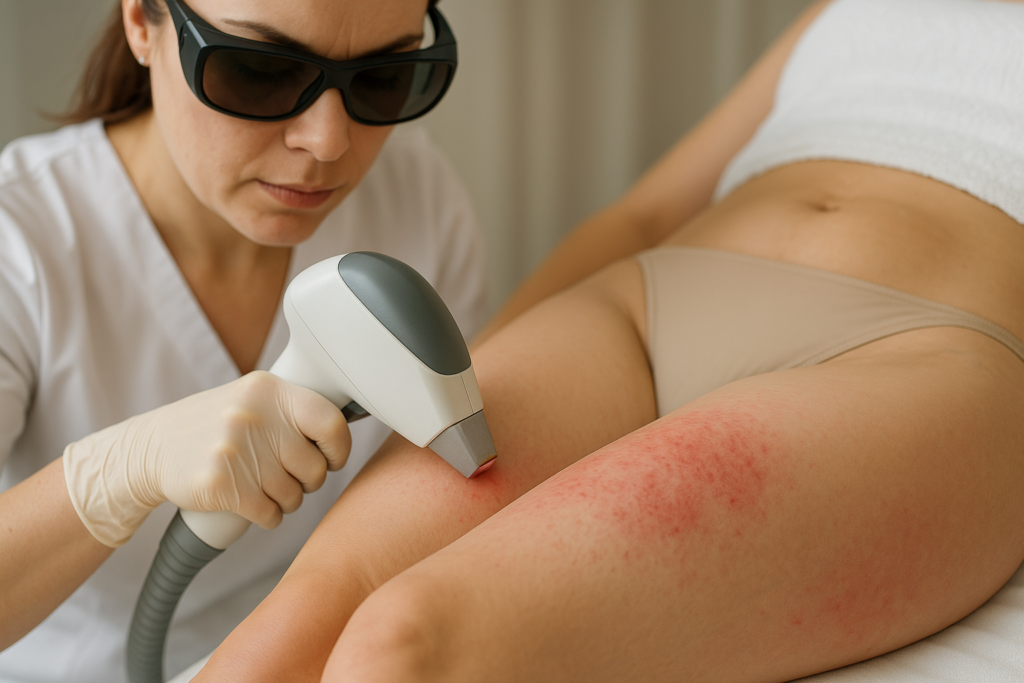
Laser Hair Removal Side Effects: What Every Patient Should Know Before Treatment
Most people researching laser hair removal expect to hear about smooth, hair-free skin. Far fewer realize that temporary side effects affect nearly every patient to some degree. That tingling sensation? The slight redness that appears immediately after? These aren’t signs something has gone wrong. They’re normal physiological responses to targeted laser energy disrupting hair follicles beneath your skin.
Understanding the difference between expected reactions and genuine complications separates informed patients from anxious ones. Some side effects resolve within hours. Others require weeks of careful aftercare. A handful signal that treatment parameters need adjustment or that laser hair removal might not suit your skin type at this time.
This distinction matters because unrealistic expectations create unnecessary worry, while dismissing warning signs can lead to permanent damage. Whether you’re considering bikini laser hair removal or full leg treatments, knowing what’s normal versus concerning helps you make better decisions and recognize when professional guidance becomes essential.
The medical literature shows that serious complications remain rare when treatments follow proper protocols. Yet minor reactions occur frequently enough that every prospective patient should understand them thoroughly before booking their first session.
Immediate Reactions: What Happens in the First 24 Hours
Your skin doesn’t stay quiet after absorbing concentrated light energy. Within minutes of treatment, most patients notice erythema, the medical term for redness surrounding each treated follicle. This happens because laser energy heats the melanin in hair shafts, and that thermal energy spreads to adjacent tissue.
The redness typically peaks within two hours post-treatment. Darker, coarser hair generates more heat during treatment, which means areas like the bikini line or underarms often show more pronounced reactions than areas with finer hair. This isn’t damage. It’s confirmation that follicles absorbed sufficient energy.
Edema, or localized swelling, accompanies the redness in about 60% of patients. The treatment area may feel slightly raised or puffy, particularly around the follicle openings. Some describe it as similar to mild sunburn or the skin texture after waxing. Cool compresses applied immediately after treatment significantly reduce both swelling and discomfort.
A prickling or stinging sensation persists for several hours in sensitive areas. Face and neck treatments produce this reaction more consistently than leg or arm sessions. The sensation intensity correlates with treatment power settings, but higher settings aren’t always more effective. Experienced practitioners balance efficacy with comfort.
Mild tenderness when touching the treated area is completely normal. You might notice it most when clothing rubs against the skin or when showering. This hypersensitivity usually resolves within 12 to 24 hours as the initial inflammatory response subsides.
Pigmentation Changes: When Your Skin Tone Shifts
Hyperpigmentation frightens patients more than almost any other side effect, yet it remains one of the most common temporary reactions. Dark patches or spots appear when melanocytes, the cells producing skin pigment, react to laser-induced inflammation by producing excess melanin.
This darkening typically emerges three to seven days post-treatment. Patients with Fitzpatrick skin types III through VI face higher risk because their baseline melanin levels compete with hair follicles for laser energy absorption. When treatment settings aren’t calibrated precisely for darker skin, surrounding tissue absorbs more energy than intended.
The patches usually fade within four to eight weeks as skin completes its natural exfoliation cycle. Strict sun avoidance accelerates resolution. Even brief UV exposure during this healing phase can darken the patches further or make them last months longer. We emphasize this point repeatedly at our North York location because Toronto summers tempt patients to skip sunscreen.
Hypopigmentation, the loss of normal skin color, poses a more serious concern. White or lighter patches indicate melanocyte damage rather than simple overproduction of pigment. This reaction occurs less frequently but persists longer, sometimes becoming permanent when melanocytes sustain severe injury.
Patients with recent tans face elevated risk for both hyper and hypopigmentation. The tan represents UV-damaged skin with already-stressed melanocytes. Adding laser energy to this compromised tissue creates unpredictable results. Waiting six weeks after sun exposure before resuming treatments isn’t excessive caution. It’s necessary prevention.
Textural Changes and Scarring Risks
Crusting develops in roughly 15% of treatments, particularly when higher energy settings target stubborn hair. Small scabs form over follicle openings as part of the normal healing process. The crucial factor? Never picking or scratching these crusts, no matter how tempting.
Allowing crusts to detach naturally prevents scarring. Premature removal exposes healing tissue before the dermis has adequately repaired itself. This creates depressed scars or, conversely, raised keloid tissue in predisposed individuals. Patients with personal or family histories of keloid scarring should discuss this risk factor thoroughly before beginning treatment.
Blistering represents a more significant reaction requiring immediate attention. True blisters, not just edema, indicate excessive thermal injury to the epidermis. They appear as fluid-filled bubbles and signal that treatment parameters exceeded safe thresholds for your skin type or that overlapping pulses delivered too much cumulative energy.
Small blisters occasionally heal without scarring if managed correctly. Larger ones or those that rupture prematurely increase scarring risk substantially. Cold compresses and antibiotic ointments reduce infection risk while supporting optimal healing conditions.
Textural irregularities may persist for months after aggressive treatments. The skin might feel slightly rough or uneven in localized spots. These changes typically resolve as collagen remodeling continues, but patience becomes essential. Aggressive exfoliation or attempts to “fix” the texture often worsen the problem rather than accelerating healing.
Paradoxical Hair Growth: When Treatment Backfires
Some patients experience increased hair growth in treated areas or adjacent untreated zones. This counterintuitive response, called paradoxical hypertrichosis, frustrates everyone involved because it contradicts the treatment’s entire purpose.
Research hasn’t definitively explained why this occurs, though theories center on sub-therapeutic energy levels. When laser energy proves insufficient to destroy follicles but strong enough to stimulate them, dormant follicles may activate. It’s similar to how minor tissue trauma sometimes stimulates rather than suppresses biological activity.
This reaction appears most frequently on the face, particularly the neck and jawline. Women of Mediterranean, Middle Eastern, or South Asian descent report higher incidence rates, suggesting hormonal factors play a role. Darker, terminal hairs may appear where only fine vellus hair existed previously.
The condition often resolves with continued treatments using adjusted parameters. Increasing energy levels or switching laser wavelengths can effectively target the newly stimulated follicles. However, some patients discontinue treatment entirely if paradoxical growth persists despite protocol changes.
Practitioners should photograph treatment areas before each session. This documentation helps identify gradual changes that patients might dismiss or not notice until the problem becomes pronounced. Early intervention produces better outcomes than waiting until substantial growth has occurred.
Eye Safety and Facial Treatment Concerns
Laser energy poses serious risks to ocular tissue. The eye’s natural focusing properties can concentrate laser light onto the retina, potentially causing permanent vision damage. This risk escalates dramatically during facial treatments, particularly around the brows and temples.
Proper eye protection isn’t negotiable. Metal eye shields or wavelength-specific goggles must remain in place throughout treatment. Some patients report discomfort from shields pressing against closed eyelids, but this minor inconvenience prevents catastrophic injury.
Temporary visual disturbances occasionally follow treatments near the eyes, even with proper protection. Patients describe seeing spots, experiencing light sensitivity, or noticing slight blurriness lasting a few hours. These symptoms should resolve quickly. Persistent changes warrant immediate ophthalmologic evaluation.
The periorbital area requires extreme caution because skin here is thinner and more delicate. Practitioners typically reduce energy settings near the eyes, accepting that hair removal might require additional sessions rather than risking thermal injury to such sensitive tissue.
Infection Risks and Post-Treatment Complications
Bacterial infections develop when treatment disrupts the skin barrier while bacteria colonize the area. Folliculitis, inflammation of hair follicles, appears as small pustules or acne-like bumps. This reaction differs from normal post-treatment inflammation by featuring pus-filled centers and increasing discomfort rather than gradual improvement.
Staphylococcus aureus causes most laser-related infections. The bacteria naturally inhabit skin surfaces but can penetrate when the protective barrier becomes compromised. Areas with naturally higher bacterial loads, like the underarms or groin, require extra vigilance.
Herpes simplex virus reactivation affects patients with history of cold sores. Laser treatment around the mouth can trigger outbreaks even in people who haven’t experienced symptoms for years. Prophylactic antiviral medication started one day before treatment and continued for several days after effectively prevents most reactivations.
Signs distinguishing infection from normal healing responses include increasing pain after the first 48 hours, warmth spreading beyond the immediate treatment zone, discharge with odor, or fever. These symptoms demand prompt medical evaluation. Delayed treatment allows infections to spread or become systemic.
Proper aftercare dramatically reduces infection risk. Keeping treated areas clean without over-washing, avoiding touching the area with unwashed hands, and temporarily discontinuing makeup on treated facial zones all contribute to infection prevention. Bright and Beauty Laser Clinic provides detailed aftercare instructions customized to each treatment area because generic advice doesn’t address site-specific needs.
Managing Side Effects: Professional Protocols That Actually Work
Ice packs applied immediately post-treatment constrict blood vessels and reduce inflammatory mediator release. Twenty-minute applications repeated every few hours for the first day provide maximum benefit. The cold also numbs nerve endings, offering immediate comfort.
Aloe vera gel accelerates healing and reduces discomfort when applied to intact skin. Look for pure formulations without added fragrances or alcohols that might irritate treated areas. Some patients report better results with aloe stored in the refrigerator, combining cooling and soothing effects.
Hydrocortisone cream addresses persistent inflammation but requires careful use. Over-the-counter 1% formulations applied twice daily for no more than one week help resolve stubborn redness or itching. Extended use or higher concentrations can thin skin or cause rebound inflammation when discontinued.
Moisturizers maintain the skin barrier during healing. Fragrance-free, hypoallergenic formulas minimize irritation risk. Ingredients like ceramides, hyaluronic acid, and glycerin attract and retain moisture without clogging pores or interfering with the treatment response.
Sun protection deserves special emphasis. Mineral sunscreens containing zinc oxide or titanium dioxide provide physical barriers without chemical absorption that might irritate healing skin. SPF 50 or higher applied every two hours during sun exposure isn’t excessive for the first two weeks post-treatment.
Avoiding heat exposure for 48 hours prevents exacerbating inflammation. Hot showers, saunas, steam rooms, and intense exercise all increase skin temperature and blood flow, potentially worsening side effects. Lukewarm water and gentle activities support optimal healing.
Our team at Bright and Beauty Laser Clinic emphasizes these protocols because we’ve seen how dramatically proper aftercare affects outcomes. Patients who follow guidelines consistently report fewer side effects and better overall results compared to those who underestimate aftercare importance.
When to Seek Immediate Medical Attention
Severe blistering covering large areas or blisters exceeding one centimeter require urgent evaluation. These indicate significant thermal injury that might need specialized wound care to prevent scarring or infection.
Increasing pain that doesn’t respond to over-the-counter medication or that wakes you from sleep signals a problem beyond normal post-treatment discomfort. Pain should steadily decrease, not intensify, as hours pass after treatment.
Signs of spreading infection, including red streaks extending from the treatment area, swollen lymph nodes, or fever above 100.4°F, necessitate same-day medical assessment. These symptoms suggest bacteria have entered the bloodstream, creating potentially serious systemic infection.
Vision changes, even subtle ones, following facial treatments demand immediate ophthalmologic examination. Don’t wait to see if symptoms resolve. Retinal injuries worsen with delays, and early intervention preserves the best chance for full recovery.
Allergic reactions to post-treatment products manifest as hives, significant swelling beyond the treatment zone, or difficulty breathing. Stop using all products immediately and seek emergency care if breathing difficulties develop.
Frequently Asked Questions
How long do typical laser hair removal side effects last?
Most patients experience redness and mild swelling for 24 to 48 hours. Sensitive areas like the face or bikini zone might show reactions lasting up to three days. Pigmentation changes, when they occur, typically resolve within four to eight weeks with proper sun protection. Persistent side effects beyond two weeks warrant follow-up evaluation to ensure proper healing and rule out complications.
Can laser hair removal permanently damage my skin?
Permanent damage remains rare when treatments follow established safety protocols. The most concerning permanent complications include scarring from infection or burns and lasting pigmentation changes in patients with darker skin types treated with inappropriate settings. Choosing experienced practitioners who properly calibrate equipment for your specific skin type and hair characteristics minimizes these risks substantially. Permanent complications almost always trace back to improper technique, inadequate operator training, or failure to follow contraindications.
Are side effects worse on certain body areas?
Yes, skin sensitivity varies significantly by location. Facial treatments, particularly the upper lip and chin, typically produce more noticeable redness and discomfort because facial skin contains more nerve endings and blood vessels. The bikini area and underarms show stronger reactions due to naturally thinner, more sensitive skin in these regions. Conversely, back and leg treatments generally produce milder side effects because skin in these areas is thicker and less reactive.
Why did I develop side effects during one session but not others?
Multiple factors influence how your skin responds session to session. Hormonal fluctuations throughout the menstrual cycle affect skin sensitivity, making treatments more uncomfortable during certain phases. Recent sun exposure increases melanin in your skin, changing how it absorbs laser energy. Even subtle changes in hydration status, stress levels, or recent caffeine intake can alter your inflammatory response. Treatment parameters also vary slightly between sessions as practitioners adjust settings based on hair reduction progress and your skin’s response to previous treatments.
Can I reduce my risk of side effects before treatment?
Absolutely. Avoid sun exposure and tanning products for at least four weeks before each session. Well-hydrated skin tolerates treatment better, so increase water intake for several days prior. Discontinue retinoids and certain acne medications that thin or sensitize skin at least one week before treatment. Shaving the treatment area 24 hours in advance ensures optimal hair length while avoiding irritation from same-day shaving. Arriving with clean skin free of lotions, deodorants, or cosmetics allows proper assessment and reduces contamination risks. These simple steps significantly decrease side effect severity and frequency.
Expert Treatment at Bright and Beauty Laser Clinic
Understanding side effects transforms anxiety into confidence. When you recognize normal healing responses and know which warning signs require attention, you can pursue hair removal treatments without constant worry. The key lies in choosing practitioners who prioritize safety as highly as results and who customize treatment parameters to your unique skin characteristics rather than using one-size-fits-all settings.
Our team at Bright and Beauty Laser Clinic brings extensive experience treating diverse skin types across all body areas at our North York location. We’ve built our reputation on thorough consultations that identify risk factors before they become problems and on customized treatment plans that balance effectiveness with safety. Ready to experience professional laser hair removal with experts who understand both the science and the practical realities of managing side effects? Book your consultation at brightandbeautylaserclinic.com/book or call us at (416) 666-4500. We’re located at 4789 Yonge St, Unit 408, North York, Toronto, ON, and we look forward to helping you achieve smooth, hair-free skin with confidence.