
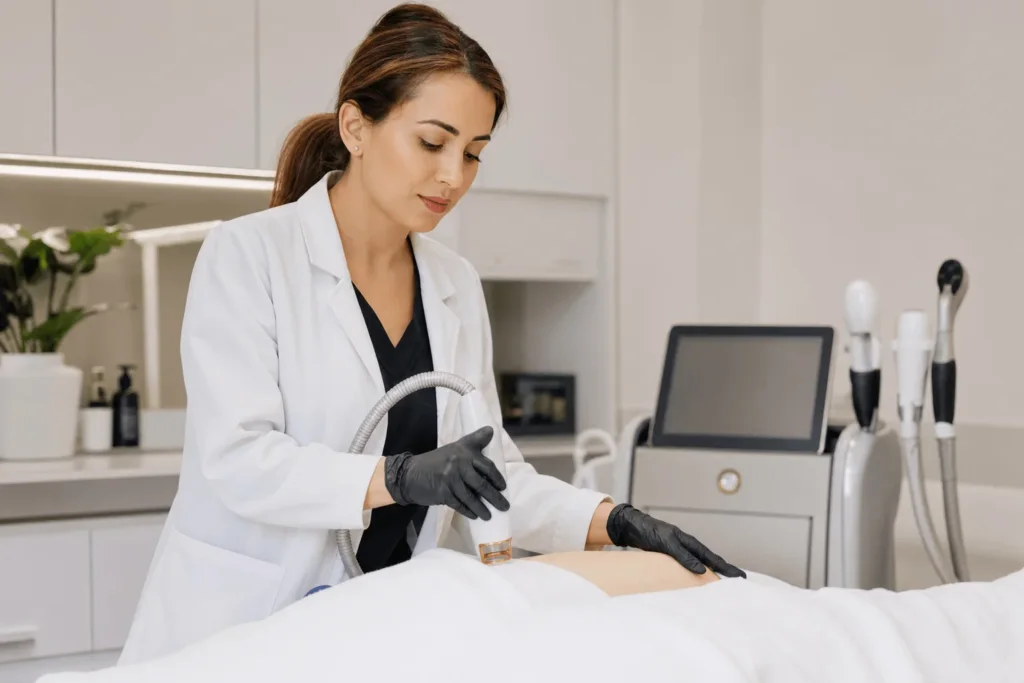
Proper laser hair removal aftercare is critical for achieving smooth, hair-free skin while preventing complications like hyperpigmentation, burns, or prolonged redness. At Bright and Beauty Laser Clinic in North York, Toronto, we see firsthand how following the right post-treatment protocol makes the difference between excellent results and disappointing outcomes.
This comprehensive guide walks you through exactly what to do after laser hair removal, from the moment you leave the treatment room through your entire session cycle. You’ll learn the essential do’s and don’ts, a day-by-day timeline for recovery, area-specific care instructions, damage control strategies, and when to seek professional help.
Quick Answer
After laser hair removal, keep treated skin cool and protected for 24-48 hours. Avoid sun exposure, hot water, sweating, and harsh products for at least 48 hours. Apply SPF 30+ daily, moisturize with fragrance-free products, and shave only between sessions.
What to Expect Immediately After Laser Hair Removal Treatment
Your skin will likely feel warm and look slightly pink or red immediately after treatment. This is completely normal. Think of it as a mild sunburn sensation that typically lasts anywhere from a few hours to 48 hours, depending on your skin type and the treatment area.
Some clients notice small bumps around each hair follicle, a reaction called folliculitis. These tiny raised spots aren’t cause for concern and usually disappear within 24 hours. You might also see the treated hairs still in place, which confuses many first-time clients. The laser damages the hair follicle beneath the skin, but the visible hair shaft takes 7-14 days to shed naturally.
Swelling is common, especially in sensitive areas like the bikini line or upper lip. At our North York clinic, we provide cooling gel immediately after treatment to minimize discomfort and reduce inflammation before clients leave.
Key Takeaways
- Apply cold compresses within first 24 hours to reduce swelling
- Use SPF 30+ sunscreen daily on treated areas for weeks
- Avoid hot showers, saunas, and exercise for 48 hours minimum
- Never wax or pluck between sessions, only gentle shaving allowed
- Seek medical attention if blistering or severe pain develops
Essential Do’s: How to Care for Your Skin After Laser Hair Removal
Following proper post-laser hair removal care protocols ensures your skin heals quickly and your results improve with each session. These essential practices protect your investment and your skin.
Cool Compresses and Ice Applications
Apply cool compresses or ice packs wrapped in a clean cloth for 10-15 minutes at a time during the first 24 hours. This immediately reduces inflammation and provides significant relief from the warm, tight sensation many clients describe. You can repeat this every few hours as needed. Avoid applying ice directly to skin, which can cause additional irritation.
Gentle Cleansing and Moisturizing
Cleanse treated areas with lukewarm water and a fragrance-free, gentle cleanser. Skip any products containing alcohol, retinoids, glycolic acid, or other exfoliating ingredients for at least 48-72 hours. Apply a fragrance-free, hypoallergenic moisturizer twice daily. Look for products containing aloe vera gel, ceramides, and hyaluronic acid.
Sun Protection and SPF Requirements
Apply broad-spectrum SPF 30 or higher sunscreen to all treated areas every single day, even if you’re staying indoors. UV exposure on laser-treated skin dramatically increases your risk of hyperpigmentation. Physical sunscreens containing zinc oxide or titanium dioxide are gentler on post-treatment skin than chemical formulations. Avoid direct sun exposure entirely for at least two weeks after treatment when possible.
Safe Shaving Between Sessions
You can and should shave between laser sessions, but wait at least 48 hours after treatment before your first post-laser shave. Use a clean, sharp razor and plenty of shaving gel to minimize irritation. Never wax, pluck, thread, or use depilatory creams between sessions. These methods remove the entire hair follicle, which the laser needs to target during your next treatment.
We see better results when clients apply aloe vera gel from the refrigerator within the first hour after treatment. The cooling effect plus aloe’s anti-inflammatory properties significantly reduce next-day redness and tenderness across all skin types.
Critical Don’ts: What to Avoid After Your Treatment
Avoiding certain activities and products is just as important as what you actively do for your skin. These restrictions protect your results and prevent complications.
Don’t take hot showers or baths for at least 48 hours. The heat dilates blood vessels and intensifies inflammation, potentially causing blistering or prolonged redness. Avoid saunas, steam rooms, hot tubs, and heated pools for 48-72 hours minimum.
Skip the gym and any activities that cause sweating for at least 48 hours. Sweat irritates treated follicles and can lead to breakouts or infection. For a detailed breakdown of when you can safely resume specific exercises, see our complete guide on exercise after laser hair removal.
Don’t apply makeup to treated facial areas for 24 hours. Foundation, concealer, and powder can clog inflamed follicles and introduce bacteria. Avoid chlorinated pools for at least 72 hours. Don’t scratch or pick at treated areas, even if you experience itching during the healing process. Skip tanning beds, spray tans, and self-tanning products for at least two weeks before and after each session.
Ready to book your treatment?
Visit Soraya and the team at our North York clinic for a personalized consultation and professional laser or facial treatment.
Day-by-Day Aftercare Timeline: First 24 Hours to Between Sessions
Understanding what to expect and do at each stage of recovery helps you respond appropriately to your skin’s needs and recognize when something requires professional attention.
First 24-48 Hours Post-Treatment
The immediate post-treatment period requires the most attention and restrictions. Your skin is at its most sensitive and vulnerable to complications during these first two days. Within the first 6 hours, apply cool compresses as needed and avoid touching treated areas unnecessarily. Keep the skin clean and dry. By hour 24, most clients notice significant improvement in redness and warmth. At the 48-hour mark, most restrictions begin to lift.
| Timeframe | What to Do | What to Avoid |
|---|---|---|
| 0-6 hours | Apply cool compresses, gentle cleansing | Touching area, hot water, makeup |
| 6-24 hours | Moisturize twice, light cleansing | Exercise, swimming, sun exposure |
| 24-48 hours | Continue moisturizing, SPF application | Hot showers, saunas, gym activities |
| 48-72 hours | Resume gentle shaving if needed | Waxing, plucking, exfoliating products |
Days 3-14: Hair Shedding Phase
Days 3-7 mark the beginning of visible hair shedding. The treated hairs, now disconnected from their blood supply, begin pushing out of the follicle. This process looks like new growth, but it’s actually the treated hairs being expelled. You can gently exfoliate with a soft washcloth to help stubborn hairs along, but don’t force anything. By week 2, most treated hairs should have shed completely. Continue daily SPF application without exception.
Weeks 3-8: Between Sessions Maintenance
This period represents your maintenance phase until your next appointment. Continue shaving as needed, maintain sun protection, and keep skin well-moisturized. Before your follow-up session, review our pre-treatment preparation guidelines to ensure optimal conditions for your next treatment.
Aftercare by Treatment Area: Face, Underarms, Bikini and Body
Different body areas have unique aftercare considerations based on skin sensitivity, exposure to friction, and hygiene requirements.
Facial Treatment Aftercare
Facial skin is thinner and more sensitive than body skin, requiring gentler handling. Avoid all makeup for at least 24 hours after facial laser treatments. When you do resume cosmetics, use only mineral formulations and clean applicators. Sun protection is absolutely critical for facial treatments. Apply SPF 50 mineral sunscreen every morning and reapply throughout the day. Skip retinoids, vitamin C serums, AHAs, BHAs, and other active skincare ingredients for 3-5 days.
Underarm Care Considerations
The underarm area experiences constant friction from arm movement and clothing. Wear loose, breathable cotton fabrics for 48 hours after treatment to minimize irritation. Don’t apply deodorant or antiperspirant for 24-48 hours post-treatment. These products contain alcohol, fragrance, and aluminum compounds that can severely irritate treated underarm skin.
Bikini and Brazilian Zone Guidelines
The bikini area presents unique aftercare challenges due to sensitivity, moisture, and friction. Wear loose cotton underwear for at least 48-72 hours after bikini or Brazilian treatments. Avoid tight jeans, leggings, or synthetic underwear that trap heat against treated skin. Keep the area exceptionally clean and dry. Sexual activity should be avoided for 24-48 hours after treatment.
Body Treatment Protocols
Large body areas like legs, back, and chest generally tolerate treatment well and require less intensive aftercare than more delicate zones. The same basic principles apply: cool compresses initially, gentle cleansing, consistent moisturizing, and religious sun protection. Avoid tight pants or boots for 24 hours to prevent friction and trapped heat.
Product Recommendations for Optimal Aftercare
Choosing the right products for post laser hair removal care accelerates healing and prevents irritation. Here are specific product categories with ingredient guidance and recommendations.
Cleansers
Look for fragrance-free, sulfate-free formulations with minimal ingredients. Recommended products: Cetaphil Gentle Skin Cleanser, CeraVe Hydrating Cleanser. Avoid anything labeled deep cleaning or exfoliating for at least 72 hours. Ingredients to avoid: sodium lauryl sulfate, fragrance, menthol, alcohol.
Moisturizers
The best moisturizers contain soothing, barrier-repairing ingredients without potential irritants. Key ingredients to seek: aloe vera gel (minimum 95% pure), ceramides, hyaluronic acid, niacinamide, glycerin. Recommended products: CeraVe Moisturizing Cream (ceramides and hyaluronic acid), Vanicream Moisturizing Skin Cream (no dyes, fragrance, or irritants), Eucerin Advanced Repair (glycerin and ceramides). Ingredients to avoid for 3-5 days: retinol, glycolic acid, salicylic acid, benzoyl peroxide, fragrance, essential oils.
Sunscreens
Mineral formulations with zinc oxide or titanium dioxide as primary active ingredients are gentler than chemical sunscreens. Look for SPF 30 minimum, though SPF 50 provides better protection. Recommended products: EltaMD UV Clear Broad-Spectrum SPF 46 (zinc oxide and niacinamide), Blue Lizard Sensitive Mineral Sunscreen SPF 50 (zinc oxide and titanium dioxide), CeraVe Hydrating Mineral Sunscreen SPF 50 (zinc oxide and ceramides).
Treatment Products
For minor irritation: 1% hydrocortisone cream (over-the-counter) applied sparingly once or twice daily for no more than 3 days. For soothing relief: pure aloe vera gel (95%+ concentration) stored in the refrigerator. Avoid products with added dyes, fragrances, or alcohol.
Damage Control: What to Do If You Break an Aftercare Rule
Despite best intentions, mistakes happen. Understanding how to minimize damage when you accidentally violate aftercare guidelines can prevent minor slip-ups from becoming major problems.
If You Got Sun Exposure Without Protection
Immediately get out of UV exposure and apply a cool compress to any areas that feel warm or look pink. Apply a thick layer of aloe vera gel and take an over-the-counter anti-inflammatory like ibuprofen to reduce inflammation. Monitor for blistering over the next 24-48 hours. If hyperpigmentation develops, contact your provider about lightening treatments once the skin has fully healed.
If You Exercised Too Soon
Immediately shower with cool water using a gentle cleanser to remove sweat and bacteria. Pat dry thoroughly and apply a thin layer of 1% hydrocortisone cream if you notice redness or small bumps. Watch for folliculitis over the next 24 hours. If you develop pustules or spreading redness, contact your provider for possible antibiotic treatment.
If You Used the Wrong Product
Stop using the product immediately and gently cleanse it off your skin if you realize the error quickly. Apply a barrier-repair moisturizer and monitor for increased redness, burning, or irritation. If significant irritation develops, contact your provider. They may recommend a short course of hydrocortisone cream or other anti-inflammatory treatment.
If You Waxed or Plucked Between Sessions
The damage is done to your treatment progress, but you won’t hurt your skin. You’ve removed follicles that would have been targeted in your next session, potentially requiring additional treatments to achieve your desired results. Resume shaving only and discuss the impact on your treatment timeline with your provider at your next appointment.
If You Took a Hot Shower
If you realize mid-shower, immediately switch to cool water and limit your remaining time in the water. After patting dry, apply a cool compress for 10-15 minutes and follow with aloe vera gel or your recommended moisturizer. Monitor for blistering, though it’s unlikely from brief hot water exposure unless it occurred within the first few hours after treatment.
When to Seek Medical Attention After Laser Hair Removal
While laser hair removal side effects are typically mild and self-limiting, certain symptoms warrant professional evaluation. Recognizing the difference between normal healing and complications ensures prompt treatment when necessary.
Seek immediate medical attention if you develop blisters or burns. Small, fluid-filled blisters indicate a burn injury that requires professional wound care. Don’t pop blisters, which increases infection risk. Contact your treatment provider or visit an urgent care center the same day blistering appears.
Severe pain that doesn’t improve with over-the-counter pain medication or cool compresses may indicate a more serious reaction. Mild discomfort is normal, but pain that prevents sleep or daily activities requires evaluation.
Signs of infection include increasing redness (rather than decreasing), warmth to the touch that intensifies after 48 hours, pus or yellow drainage from follicles, red streaks extending from the treated area, or fever. These symptoms require antibiotic treatment. At our Toronto clinic, we provide direct phone access for clients experiencing concerning symptoms.
Unusual pigmentation changes that develop within days of treatment should be evaluated. While temporary darkening or lightening can occur, dramatic or patchy changes may indicate an adverse reaction requiring intervention. Persistent redness lasting more than 5-7 days, especially if accompanied by itching or swelling, may indicate an allergic reaction to post-treatment products.
Frequently Asked Questions
How long after laser hair removal can I shower?
You can shower immediately after laser hair removal, but use only lukewarm water for the first 24-48 hours. Hot water can intensify inflammation and potentially cause blistering on sensitized skin. Use a gentle, fragrance-free cleanser and pat the treated area dry. After 48 hours, you can return to your normal shower temperature.
Can I shave after laser hair removal?
Yes, you can and should shave between laser hair removal sessions. Wait at least 48 hours after treatment before your first post-laser shave. Use a clean, sharp razor with plenty of shaving gel. Never wax, pluck, or thread between treatments, as these methods remove the entire follicle and compromise your results.
What products should I avoid after laser hair removal?
Avoid products containing retinoids, glycolic acid, salicylic acid, benzoyl peroxide, alcohol, fragrance, or essential oils for at least 3-5 days after treatment. Skip exfoliating scrubs, loofahs, and harsh cleansers. Avoid deodorants and antiperspirants on treated underarms for 24-48 hours. Stick to fragrance-free, hypoallergenic products formulated for sensitive skin.
How do I speed up hair shedding after laser hair removal?
Treated hairs typically shed within 7-14 days as part of the natural process. You can’t dramatically accelerate this timeline, but gentle exfoliation starting 3-4 days post-treatment helps stubborn hairs shed more easily. Use a soft washcloth in the shower, but don’t scrub aggressively. Regular moisturizing also supports the shedding process. Never forcibly pull or pluck hairs.
When should I seek medical attention after laser hair removal?
Seek medical attention if you develop blisters, severe pain that doesn’t respond to over-the-counter medication, signs of infection (increasing redness, pus, fever, red streaks), or unusual pigmentation changes within days of treatment. Persistent redness lasting more than 5-7 days or any scarring also warrants professional evaluation. Contact your treatment provider immediately if you experience concerning symptoms.
Your Partner in Safe, Effective Laser Hair Removal
Proper laser hair removal aftercare is the foundation of excellent results. Following these protocols protects your skin, accelerates healing, and ensures each session builds effectively toward permanent hair reduction. At Bright and Beauty Laser Clinic, our team provides detailed aftercare instructions customized to your treatment area and skin type, with ongoing support throughout your entire treatment journey.
Ready to experience professional laser hair removal with expert aftercare guidance? Schedule your consultation at our North York location. Our team will assess your skin, answer your questions, and create a personalized treatment plan designed for your goals. Call (416) 666-4500 or book online today.