
Can You Get Laser Hair Removal When Pregnant? Medical Facts Every Expecting Mother Needs
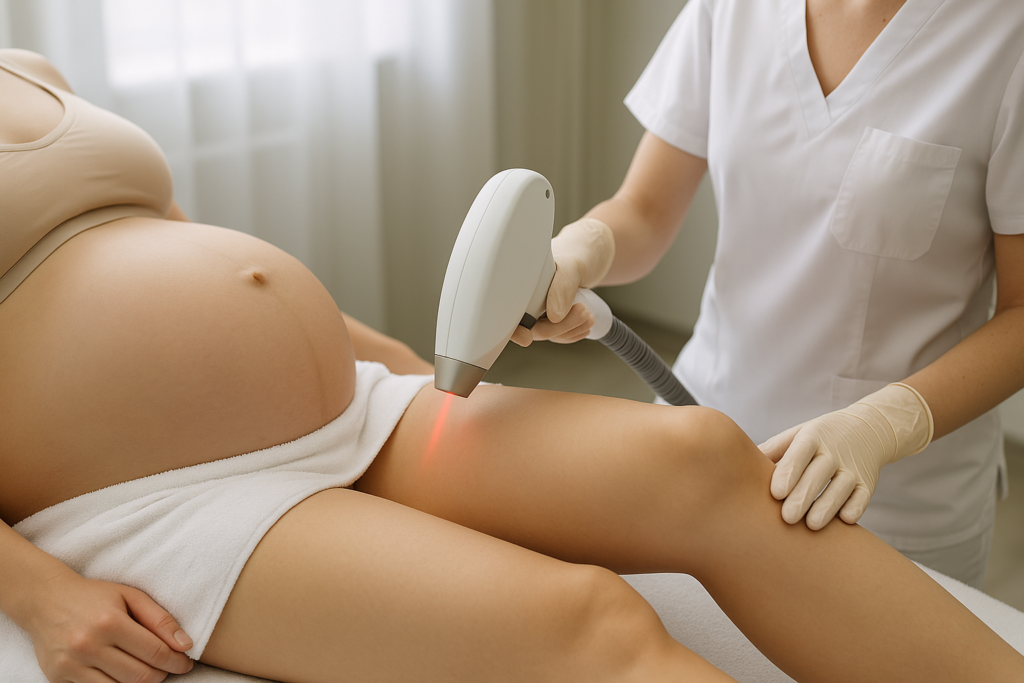
Pregnancy brings countless changes to your body, and for many women, one of the most frustrating is unwanted hair growth in unexpected places. You might notice darker, thicker hair on your face, abdomen, or other areas where you’ve never had significant growth before. If you’ve been enjoying the benefits of laser hair removal, or considering starting treatments, you’re probably wondering whether it’s safe to continue during pregnancy. The straightforward answer surprises many patients: medical professionals universally recommend postponing laser hair removal treatments until after delivery and breastfeeding, despite the absence of specific studies showing harm. This precautionary stance stems from ethical considerations that prevent researchers from conducting experimental procedures on pregnant women, leaving us without definitive safety data. The lack of evidence doesn’t mean the treatment is dangerous, but it does mean we can’t definitively prove it’s safe either, a distinction that matters tremendously when your baby’s wellbeing is at stake.
Why Pregnancy Triggers Increased Hair Growth
Before addressing laser treatments specifically, understanding why pregnancy affects hair growth helps contextualize your frustration. Hormonal changes during pregnancy are profound and affect virtually every system in your body.
Elevated levels of androgens, particularly during the second and third trimesters, stimulate hair follicles that were previously dormant or producing only fine vellus hair. This condition, called hirsutism when severe, affects approximately 70% of pregnant women to some degree. You might notice darker facial hair, a line of hair down your abdomen (linea nigra), or increased growth on your arms and legs.
Estrogen levels also skyrocket during pregnancy, but their effect on hair is different. While estrogen prolongs the growing phase of hair on your scalp, making it appear thicker and more lustrous, it works in concert with androgens elsewhere on your body to create unpredictable patterns. Some women experience their first-ever significant facial hair during pregnancy, while others notice their existing hair becomes coarser and darker.
The temporary nature of this change offers some consolation. Most pregnancy-related hair growth resolves within six to twelve months postpartum as your hormones gradually return to pre-pregnancy levels. However, some women do retain increased hair growth after pregnancy, particularly if they had underlying hormonal sensitivities before conception.
Medical Guidelines on Laser Treatments During Pregnancy
No major medical organization or regulatory body approves laser hair removal for pregnant women. The FDA has not evaluated laser hair removal devices for safety during pregnancy. Similarly, the American College of Obstetricians and Gynecologists (ACOG) and dermatological associations recommend deferring elective cosmetic procedures until after delivery.
This recommendation isn’t based on documented cases of harm. Rather, it reflects the medical principle of extreme caution during pregnancy when definitive safety data doesn’t exist. Researchers cannot ethically conduct randomized controlled trials on pregnant women for cosmetic procedures, creating an information gap that providers must navigate conservatively.
At Bright and Beauty Laser Clinic in North York, our policy aligns with these medical guidelines. We require clients to postpone treatments if they’re pregnant or potentially pregnant. This policy protects both you and your developing baby from theoretical risks we simply cannot quantify.
The laser energy used in hair removal penetrates only millimeters into the skin, targeting the melanin in hair follicles. It doesn’t reach deep enough to affect the uterus or developing fetus directly. However, pregnancy changes skin physiology in ways that could affect treatment outcomes and safety. Your skin becomes more sensitive, more prone to pigmentation changes, and more reactive to heat and trauma.
Specific Risks and Theoretical Concerns
While direct fetal harm from laser energy is theoretically impossible given the shallow penetration depth, several pregnancy-related factors make treatments inadvisable during these nine months.
Hyperpigmentation represents the most significant practical concern. Pregnancy dramatically increases melanin production throughout your body, a phenomenon responsible for darkening of the nipples, linea nigra, and melasma (pregnancy mask) on the face. This excess melanin doesn’t just affect visible pigmentation. It also concentrates in the basal layer of your epidermis, where laser energy can inadvertently target it instead of, or in addition to, the hair follicle melanin.
The result? Post-inflammatory hyperpigmentation that can persist for months or even years after delivery. Dark spots, uneven skin tone, and patchy discoloration are substantially more likely during pregnancy, even with perfectly executed treatments.
Pain sensitivity increases during pregnancy for many women, though this varies individually. The discomfort that felt tolerable before pregnancy might become unbearable, particularly on areas like the bikini line or face. Stress hormones released in response to pain could theoretically affect pregnancy, though this connection remains speculative rather than proven.
Treatment effectiveness also suffers during pregnancy. The hormonal environment that’s stimulating excessive hair growth works against laser treatments. Follicles in active growth phases are more resistant to permanent destruction when hormones are actively promoting their development. You’d likely need additional sessions post-pregnancy anyway, making treatments during pregnancy both less effective and more expensive in the long run.
Blood flow increases dramatically during pregnancy, particularly to the skin. This heightened vascularity could theoretically increase bruising or other complications from treatments, though again, documented cases don’t exist because reputable practitioners don’t treat pregnant clients.
Safe Hair Removal Alternatives During Pregnancy
Postponing laser treatments doesn’t mean you’re stuck with unwanted hair for nine months. Several methods provide safe alternatives during pregnancy, each with distinct advantages and limitations.
Shaving remains the safest and most straightforward option. Your growing belly might make reaching your legs challenging in later trimesters, but shaving carries no risk to your baby. The old myth that shaving makes hair grow back thicker is false. It may feel coarser because you’re cutting the hair shaft at its widest point, but you’re not affecting the follicle itself.
Tweezing and threading work well for facial hair and eyebrow shaping. These mechanical methods remove hair without chemicals or heat, making them completely safe during pregnancy. The main drawback is time investment for larger areas, though many women find threading particularly effective for upper lip hair that becomes more noticeable during pregnancy.
Waxing generates more debate in pregnancy communities. Most obstetricians consider waxing safe during pregnancy, but with important caveats. Your increased blood flow and skin sensitivity can make waxing more painful and increase the risk of irritation or minor bleeding. Some women who waxed comfortably before pregnancy find it unbearable while expecting.
Additionally, avoid waxing if you have pregnancy-related skin conditions like PUPPP (pruritic urticarial papules and plaques of pregnancy) or other rashes. Your aesthetician should use fresh wax and sterile technique to prevent any infection risk, however minimal.
Depilatory creams require more caution. These chemical hair removers work by breaking down the protein structure of hair, allowing it to wipe away. While the chemicals don’t absorb significantly into your bloodstream, the strong odors can trigger pregnancy-related nausea, and your sensitive skin might react more strongly than usual. If you choose this method, test a small area first, work in a well-ventilated space, and choose products formulated for sensitive skin.
Bleaching offers another alternative for facial hair, though it doesn’t remove hair entirely. Like depilatory creams, bleaching products can irritate pregnancy-sensitive skin and produce strong odors. This method works best for fine hair that becomes darker during pregnancy rather than the coarser growth some women experience.
Planning Your Post-Pregnancy Laser Hair Removal Journey
The wait feels frustrating, but planning your post-pregnancy treatments helps you look forward to resuming your routine. Several timing considerations affect when you can safely restart laser hair removal.
If you’re breastfeeding, most practitioners recommend waiting until you’ve finished nursing. While laser energy doesn’t affect breast milk directly, the hormonal environment during lactation differs from your non-pregnant baseline. Breastfeeding maintains elevated prolactin levels, which can continue to affect hair growth patterns, potentially reducing treatment effectiveness.
Wait for your menstrual cycle to resume and stabilize. This indicates your hormones have largely returned to pre-pregnancy levels. For breastfeeding mothers, this might not occur until after weaning. For those who aren’t nursing, cycles typically resume within three months postpartum, though this varies widely.
Most of the pregnancy-related hair growth will shed naturally in the months following delivery. Many women experience dramatic hair shedding three to six months postpartum as all those hairs your elevated estrogen kept in the growth phase simultaneously enter the shedding phase. This telogen effluvium affects scalp hair most noticeably, but it’s part of the overall hormonal reset affecting hair everywhere on your body.
Give your body four to six months post-weaning before resuming treatments at facilities like Bright and Beauty Laser Clinic. This timeline allows your hormones to stabilize, pregnancy-related hair growth to resolve, and your skin sensitivity to return to baseline. Starting too early means you’re potentially treating hair that would have disappeared on its own.
When you do restart treatments, mention your pregnancy history during your consultation. Pregnancy can create lasting changes in hair growth patterns, skin pigmentation, and sensitivity. Your technician might adjust treatment parameters or conduct additional test spots to ensure optimal results without complications.
What to Do If You Had Treatments Before Knowing You Were Pregnant
Perhaps you had a laser hair removal session in very early pregnancy before you knew you had conceived. This scenario causes understandable anxiety, but the reassurance is strong: isolated treatments in early pregnancy haven’t been associated with adverse outcomes.
The laser energy used in hair removal is non-ionizing, meaning it’s fundamentally different from X-rays or other radiation that could affect fetal development. The light energy penetrates only to the depth of the hair follicle, typically 2-4 millimeters into the skin. It doesn’t reach deeper structures, let alone your uterus or developing embryo.
If you had treatment on areas far from your abdomen and pelvis, like your underarms, legs, or face, the distance provides additional reassurance. Even theoretically, no mechanism exists by which these treatments could affect early pregnancy.
Inform your obstetrician at your next appointment. They’ll likely reassure you but can note it in your chart and monitor your pregnancy accordingly. The medical concern is about ongoing treatments during pregnancy, not inadvertent single sessions before pregnancy recognition.
Going forward, discontinue treatments until after pregnancy and nursing. Use this experience as a reminder to take a pregnancy test before scheduling cosmetic procedures if you’re sexually active and not using reliable contraception, particularly during the window between ovulation and your expected period.
Preparing Your Skin for Post-Pregnancy Treatments
While you’re waiting to resume laser hair removal, you can optimize your skin health to achieve better results when you do restart treatments. Pregnancy and postpartum recovery affect your skin in numerous ways, and addressing these changes improves both treatment safety and effectiveness.
Sun protection becomes even more critical if you experienced melasma or other pigmentation changes during pregnancy. These dark patches can persist postpartum and make you more susceptible to laser-related pigmentation problems. Daily broad-spectrum sunscreen with SPF 30 or higher protects your skin investment and prevents darkening of existing pigmentation.
Address any pregnancy-related skin conditions before resuming treatments. Conditions like eczema, psoriasis, or persistent rashes need management before laser sessions. Your dermatologist can recommend pregnancy-safe treatments during gestation and more aggressive options after delivery if needed.
Hydration matters more than many people realize. Pregnancy depletes your body’s water reserves, and breastfeeding continues this demand. Well-hydrated skin responds better to laser treatments and heals more efficiently afterward. Aim for adequate water intake and consider using a quality moisturizer appropriate for your skin type.
Exfoliation helps remove dead skin cells that can interfere with laser energy reaching the hair follicle. However, avoid harsh scrubs or chemical exfoliants if you’re breastfeeding without consulting your healthcare provider. Gentle physical exfoliation with a soft washcloth during your regular cleansing routine provides benefits without risk.
If pregnancy left you with significant melasma or hyperpigmentation, discuss treatment options with a dermatologist before resuming laser hair removal. Services like our Signature Cleansing Facial can help address skin tone and texture concerns as part of comprehensive skin preparation.
Frequently Asked Questions
Can I get laser hair removal if I’m trying to conceive?
This depends on where you are in your conception journey. If you’re actively trying and not using contraception, most practitioners recommend avoiding treatments during the second half of your cycle (after ovulation), when you could potentially be pregnant without knowing it yet. The two-week wait between ovulation and when you can take a pregnancy test creates a window of uncertainty. Some clients choose to continue treatments but use reliable contraception and schedule appointments only during their menstrual period or follicular phase (before ovulation). Others prefer to complete their laser hair removal series before beginning conception attempts. Discuss your timeline with both your fertility specialist and laser technician to make an informed decision that balances your priorities.
Will the hair growth I experience during pregnancy be permanent?
For most women, pregnancy-induced hair growth is temporary and resolves within six to twelve months after delivery as hormones normalize. However, pregnancy can sometimes unmask underlying hormonal conditions like polycystic ovary syndrome (PCOS) or reveal a genetic predisposition to hirsutism that might have manifested later anyway. If significant excess hair growth persists beyond a year postpartum, particularly facial hair, consult your doctor for hormonal evaluation. Conditions like PCOS are manageable with appropriate treatment, and once diagnosed and controlled, laser hair removal becomes more effective because you’re not fighting against active hormonal stimulation of hair growth.
Are there any laser treatments that are safe during pregnancy?
The conservative medical recommendation is to postpone all elective laser treatments during pregnancy, including those for hair removal, skin resurfacing, pigmentation, or vascular issues. This precautionary approach applies regardless of the specific laser type or wavelength. The absence of safety data, combined with pregnancy-related changes in skin reactivity and pigmentation risk, makes deferral the wisest choice. The exception would be medically necessary laser treatments where the benefit clearly outweighs theoretical risks, a determination your physician would make on a case-by-case basis. Cosmetic treatments, by definition, aren’t medically necessary and can wait until after delivery and nursing.
How long after giving birth can I resume my laser hair removal treatments?
The timeline depends on whether you’re breastfeeding. If you’re not nursing, wait until your menstrual cycle has returned and stabilized, typically three to six months postpartum. This indicates your hormones have largely normalized. If you’re breastfeeding, most experts recommend waiting until after you’ve weaned and your cycle has resumed. Breastfeeding maintains hormonal changes that can affect both hair growth patterns and treatment effectiveness. Additionally, give yourself at least four to six weeks after your last nursing session before scheduling treatments, allowing your hormones to stabilize further. When you’re ready to resume, contact Bright and Beauty Laser Clinic at (416) 666-4500 to schedule a consultation where we can assess your individual situation and create an appropriate treatment plan.
Can pregnancy affect the results I achieved from laser hair removal before conceiving?
Pregnancy hormones can reactivate some previously treated follicles, though this varies significantly among individuals. Laser hair removal destroys active hair follicles, but your skin contains dormant follicles that weren’t growing during your treatment series. Pregnancy hormones can activate these dormant follicles, creating the appearance that your laser treatments “didn’t work” or that hair has grown back. In reality, you’re seeing new growth from previously inactive follicles rather than regeneration of destroyed ones. This new growth typically responds well to touch-up sessions after pregnancy. Most women find they need fewer sessions postpartum than their original series required, since you’re only addressing newly activated follicles rather than starting from scratch.
Moving Forward with Confidence
Pregnancy requires countless sacrifices, and postponing your laser hair removal routine might feel like just one more frustration on a long list. The temporary nature of this pause offers perspective. These nine months, and potential additional nursing months, represent a fraction of your lifetime. Protecting your baby during this critical developmental period takes precedence over cosmetic concerns, however legitimate those concerns feel when you’re dealing with unwanted hair growth.
When you’re ready to resume treatments after delivery and nursing, the team at Bright and Beauty Laser Clinic welcomes you back to continue your hair removal journey. Our North York location at 4789 Yonge St, Unit 408 provides convenient access to experienced technicians who understand the unique considerations of treating postpartum clients. We’ll assess any changes pregnancy created in your hair growth patterns or skin condition and adjust our approach accordingly, ensuring safe and effective results. Book your consultation when you’re ready, and we’ll help you achieve the smooth, hair-free skin you’ve been waiting for throughout your pregnancy.