
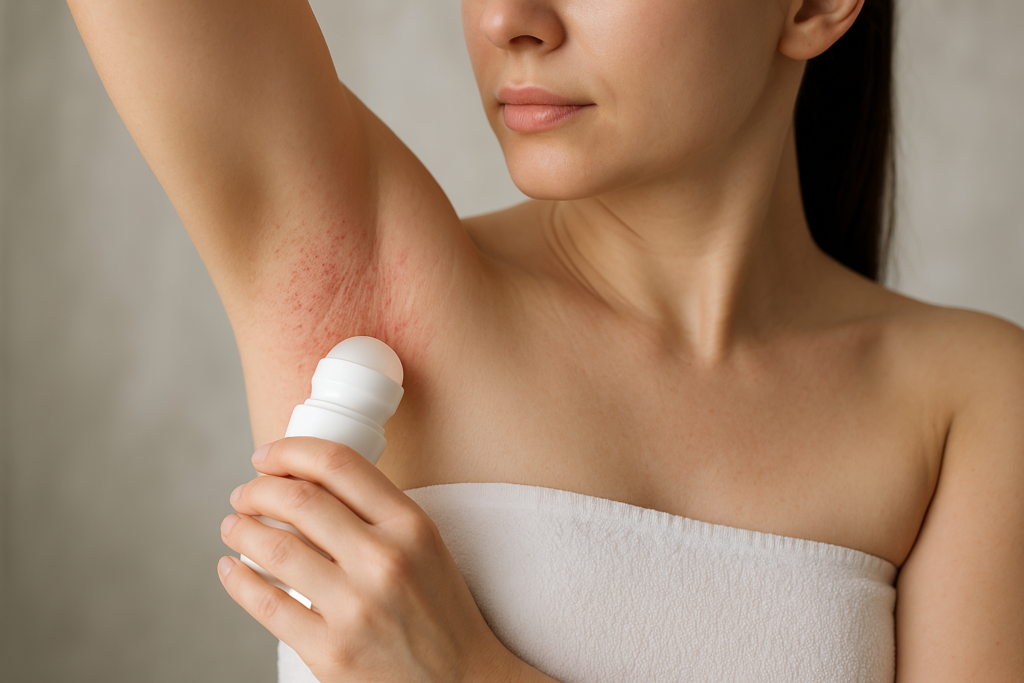
Can I Wear Deodorant After Laser Hair Removal? Expert Aftercare Guidelines
Here’s something that surprises most of our patients at Bright and Beauty Laser Clinic: applying deodorant too soon after underarm laser hair removal is one of the most common reasons people experience prolonged redness, irritation, and even treatment complications. You’d think something as routine as your daily antiperspirant wouldn’t interfere with advanced laser technology, yet the chemistry happening in your skin during those first 24-48 hours post-treatment makes your underarms remarkably vulnerable to everyday products.
The question “can I wear deodorant after laser hair removal” ranks among the top concerns we hear from patients scheduling underarm laser hair removal treatments. It makes perfect sense—nobody wants to skip deodorant during their workday or social activities. What many don’t realize is that laser treatments create microscopic channels of inflammation in the skin where hair follicles have been targeted. These aren’t visible wounds, but they’re biologically active sites where your skin is working overtime to heal and respond to the treatment. When chemical-laden deodorants meet this inflamed tissue, reactions happen that can undermine your results and comfort. Understanding the precise timeline and product selection makes all the difference between optimal healing and unnecessary complications.
Understanding What Happens to Your Skin During Laser Hair Removal
Laser hair removal isn’t simply zapping hair away. The technology relies on selective photothermolysis—a precise process where concentrated light energy targets melanin in the hair shaft. This energy converts to heat, which travels down to the follicle and damages the growth center. The surrounding skin experiences this as a controlled injury, triggering your body’s natural healing response.
Immediately after treatment, your skin enters what we call the acute inflammatory phase. Blood flow increases to the treated area. White blood cells rush to manage cellular debris from damaged follicles. Your skin temperature remains elevated for several hours. During this vulnerable window, the skin barrier—your body’s natural protective layer—has been temporarily compromised at a microscopic level.
The underarm area presents unique challenges compared to other treatment zones like full legs or back laser hair removal. Underarms are what dermatologists call an “occlusive environment”—warm, moist, with limited air circulation. This environment naturally harbors more bacteria than exposed skin areas. Factor in friction from arm movement and clothing contact, and you’ve got skin that needs extra careful management post-treatment.
Your follicles don’t all die immediately either. Over the next 7-14 days, treated hairs begin shedding as the damaged follicles release them. Some follicles experience enough damage to become permanently inactive. Others may be stunned but eventually recover, which is why multiple sessions spaced weeks apart achieve the best results. During this entire shedding period, your skin remains in a heightened state of cellular activity.
The 24-48 Hour Rule: Why Timing Matters
Can I wear deodorant after laser hair removal? The research-backed answer is yes, but not immediately. The standard recommendation across dermatology and laser treatment protocols is to wait a minimum of 24 hours, with 48 hours being ideal for sensitive skin types or more aggressive treatment settings.
During the first 24 hours, your skin’s inflammatory response peaks. Capillaries remain dilated. The skin barrier permeability stays elevated. This is when your skin is most reactive to external chemicals. At our North York location, we’ve observed that patients who apply deodorant within the first 12 hours experience irritation rates nearly three times higher than those who wait the full 48 hours.
But here’s the nuanced part most articles miss: this timeline isn’t universal. Several factors modify your personal waiting period:
- Treatment intensity: Higher energy settings require longer recovery periods before introducing products
- Skin tone and type: Darker skin tones treated conservatively to prevent hyperpigmentation may handle deodorant sooner than very fair skin treated at higher settings
- Personal sensitivity history: If you’ve experienced reactions to deodorants before, extend your waiting period to 72 hours
- Seasonal factors: Summer heat and sweating can extend inflammation, making winter treatments more forgiving for earlier product reintroduction
Your treatment provider should assess these factors during your consultation. When patients book sessions at Bright and Beauty Laser Clinic, we document skin reactions from previous treatments to personalize aftercare recommendations. Someone who sailed through their first bikini laser hair removal session with minimal redness might safely apply deodorant after 24 hours, while another patient with pronounced erythema should wait longer.
Pay attention to visual cues too. If your underarms still show visible redness, feel warm to the touch, or display any bumps or raised texture, your skin is telling you it’s not ready. The inflammation needs to resolve before chemical exposure.
Deodorant vs. Antiperspirant: Chemical Composition Matters
Most people use these terms interchangeably, but the distinction becomes critical after laser treatment. Deodorants neutralize odor through antimicrobial agents and fragrances. Antiperspirants actually block sweat production using aluminum-based compounds. Your post-laser skin responds very differently to these two categories.
Aluminum compounds in antiperspirants—typically aluminum chloride, aluminum chlorohydrate, or aluminum zirconium—work by forming temporary plugs in sweat ducts. On compromised post-laser skin, these metallic salts can trigger more aggressive inflammation. The aluminum particles may also interfere with the natural shedding process of treated hairs, potentially trapping them beneath the surface and creating ingrown hairs or folliculitis.
Traditional deodorants without antiperspirant properties use antibacterial agents like triclosan or natural alternatives like tea tree oil to combat odor-causing bacteria. While generally gentler than antiperspirants, many still contain alcohol, synthetic fragrances, and preservatives that irritate healing skin.
Here’s a practical comparison of common ingredients and their post-laser compatibility:
| Ingredient | Found In | Post-Laser Risk | Recommended Wait Time |
|---|---|---|---|
| Aluminum compounds | Antiperspirants | High – can cause inflammation and follicular irritation | 72+ hours |
| Alcohol/Ethanol | Most conventional deodorants | High – drying and stinging on compromised skin | 48-72 hours |
| Synthetic fragrances | Scented products | Moderate – allergenic potential increases post-treatment | 48 hours |
| Parabens | Preservatives in many products | Moderate – can disrupt healing for sensitive individuals | 48 hours |
| Baking soda | Natural deodorants | Moderate – alkaline pH can irritate acidic post-laser environment | 48 hours |
| Natural oils (coconut, jojoba) | Clean/natural formulations | Low – but may trap heat if applied too soon | 24 hours |
| Aloe vera | Sensitive skin formulas | Very Low – actually soothing when pure | 24 hours |
The safest approach during that critical first 48 hours? Skip deodorant entirely if possible, or use a minimal-ingredient, fragrance-free formula designed for sensitive skin. After the 48-hour mark, you can gradually reintroduce your regular products while monitoring for any adverse reactions.
Best Deodorant Options for Post-Treatment Skin
Once you’ve cleared the initial waiting period, product selection still matters. Not all deodorants are created equal for post-laser skin, even days or weeks after treatment.
For the first week following your session, stick with products specifically formulated for sensitive or post-procedure skin. Look for labels stating “hypoallergenic,” “fragrance-free,” or “dermatologist-tested.” These marketing terms actually translate to meaningful formulation differences. Products marketed for sensitive skin typically exclude the most common irritants and undergo patch testing on reactive skin types.
Crystal or mineral deodorants—solid mineral salts you wet and apply—offer a middle ground. They create an inhospitable environment for odor-causing bacteria without blocking pores or sweat ducts. However, these are still mineral salts (usually potassium alum), so wait at least 48 hours before introducing them to freshly lasered skin.
Natural deodorants have exploded in popularity, but “natural” doesn’t automatically mean “gentle.” Many natural formulations rely heavily on baking soda for odor control, which has a highly alkaline pH of around 9. Your skin’s natural pH sits around 4.5-5.5, slightly acidic. After laser treatment, maintaining this acidic environment supports healing. Baking soda can disrupt this balance, causing irritation that manifests as redness, itching, or a burning sensation.
If you prefer natural options, seek formulations using magnesium hydroxide instead of baking soda, or enzyme-based deodorants that break down odor-causing compounds without pH disruption. Probiotic deodorants represent another innovation—they introduce beneficial bacteria that outcompete odor-causing strains without harsh chemicals.
Here’s the practical guidance we provide patients at our Toronto clinic: during week one post-treatment, use a bland, unscented product or nothing at all. During week two, you can test your regular product on a small area. By week three, assuming no reactions and normal hair shedding progression, you can return to any product you prefer. This graduated approach minimizes risk while getting you back to your normal routine.
Pay attention to application technique too. Never apply deodorant to wet skin immediately after showering—this increases absorption of potentially irritating ingredients. Wait until your underarms are completely dry. Use gentle pressure rather than vigorous rubbing, which can irritate follicles still recovering from laser treatment.
Managing Odor and Sweat During the Waiting Period
The most common pushback we hear: “I can’t go 48 hours without deodorant—I have work, social events, I’ll smell!” Valid concern. Here are evidence-based alternatives that won’t compromise your laser results.
Frequent washing becomes your primary defense. Cleanse your underarms with lukewarm (not hot) water and a gentle, fragrance-free cleanser 2-3 times daily. Hot water increases inflammation, while harsh soaps strip away the beneficial oils supporting your skin barrier. Pat dry gently rather than rubbing.
Cornstarch or arrowroot powder absorbs moisture without chemical irritation. Dust a light layer on completely dry underarms to manage wetness and reduce friction. These powders don’t prevent odor, but they address the moisture that creates the environment for odor-causing bacteria to thrive. Reapply as needed throughout the day.
Witch hazel—a natural astringent—can be applied with a cotton pad to clean, dry skin after the first 24 hours. It has mild antibacterial properties and helps control odor without the harsh ingredients found in deodorants. Choose an alcohol-free witch hazel formulation to avoid the drying effects of alcohol on healing skin.
Your clothing choices matter more than you’d think. Wear breathable, natural fibers like cotton or moisture-wicking athletic fabrics that pull sweat away from skin. Synthetic materials like polyester trap heat and moisture, creating an environment where bacteria proliferate. Loose-fitting garments reduce friction against the treated area, minimizing irritation and allowing air circulation.
Consider scheduling your laser appointments strategically. Book treatments before a weekend or days when you’ll have minimal social obligations. This gives your skin maximum recovery time before you need to return to your full routine. Many patients at Bright and Beauty Laser Clinic schedule Friday afternoon appointments, allowing 48+ hours of relaxed home time before Monday workweek demands.
For those absolutely needing odor control during the 24-48 hour blackout period, apple cider vinegar diluted 1:1 with water can be applied sparingly with a cotton pad after 24 hours. The acetic acid creates an acidic environment that inhibits odor-causing bacteria while supporting your skin’s natural pH. The vinegar smell dissipates quickly as it dries.
Recognizing and Addressing Adverse Reactions
Despite following guidelines, some people experience reactions when reintroducing deodorant after laser hair removal. Knowing what’s normal versus concerning helps you respond appropriately.
Mild, transient tingling or slight pinkness when first applying deodorant after the waiting period typically resolves within 15-30 minutes. This represents minor, temporary irritation as your still-sensitive skin adjusts. If it disappears quickly and doesn’t worsen with repeated applications, you’re likely fine to continue use.
More concerning signs include persistent burning, pronounced redness that intensifies rather than fades, raised bumps or hives, or any oozing or crusting. These indicate genuine allergic contact dermatitis or irritant dermatitis requiring intervention. Immediately discontinue the product, cleanse the area gently with cool water, and apply a thin layer of pure aloe vera gel or a bland moisturizer.
Folliculitis—inflammation of hair follicles—can develop if bacteria infiltrate the follicular openings compromised by laser treatment. This appears as small, pus-filled bumps resembling acne. Folliculitis often results from applying deodorant too soon or using products that trap bacteria against the skin. Treatment involves gentle antibacterial cleansers and, in persistent cases, topical or oral antibiotics prescribed by your healthcare provider.
Hyperpigmentation represents another potential complication, particularly for darker skin tones. If deodorant irritation triggers prolonged inflammation, your skin may produce excess melanin in response, creating dark patches that persist for months. Prevention through proper timing and product selection is far easier than treating established hyperpigmentation.
If you experience any concerning reactions, contact your treatment provider immediately. Our team remains available to patients experiencing post-treatment complications, offering guidance on whether a simple product switch resolves the issue or whether medical evaluation is warranted.
The best defense against reactions is patch testing. Before applying any new deodorant to your full underarm area after laser treatment, test a small amount on a two-inch section. Wait several hours and check for any redness, itching, or discomfort. This small precaution can prevent a full-scale reaction across your entire treated area.
Long-Term Deodorant Use and Laser Hair Removal Results
Beyond the immediate post-treatment period, some patients wonder whether their regular deodorant use affects long-term laser hair removal success. The relationship between daily deodorant use and hair regrowth isn’t extensively studied, but clinical observations and skin biology offer insights.
Aluminum-based antiperspirants that block sweat ducts don’t directly interfere with laser’s ability to damage hair follicles. However, chronic irritation from any source can trigger inflammation that potentially stimulates dormant follicles into active growth phase. Some dermatological theories suggest that persistent inflammatory signals might contribute to follicular recovery after laser damage, though this remains debated.
More certain is that products causing chronic irritation can complicate your treatment schedule. If your deodorant causes ongoing inflammation between sessions, your provider may need to reduce laser intensity at subsequent treatments to avoid complications, potentially reducing overall efficacy. Maintaining calm, healthy skin between sessions allows for optimal treatment parameters.
For patients undergoing a full laser series—typically 6-8 sessions spaced 4-8 weeks apart—consistent aftercare including appropriate deodorant selection becomes part of your overall strategy. Each treatment builds on previous sessions, progressively reducing hair density. Protecting your results between appointments through gentle skin care supports cumulative effectiveness.
Some patients happily discover that successful laser hair removal actually improves their relationship with deodorants. With significantly reduced hair, underarms harbor less bacteria, meaning less odor production. Many find they can use lighter, more natural formulations or even skip deodorant on low-activity days—something that would have been uncomfortable when hair was present.
The textural improvement in underarm skin post-laser hair removal also changes how products feel and perform. Without hair, deodorants glide on more smoothly and distribute evenly. The absence of shaving-related irritation, ingrown hairs, and razor bumps means your skin baseline is healthier, making it less reactive to products it might have rejected before treatment.
Complete Aftercare for Optimal Results
While deodorant use represents an important aspect of post-laser care, it’s one component of comprehensive aftercare that protects your investment and optimizes results.
Sun protection deserves equal attention. UV exposure on treated areas can cause hyperpigmentation, especially during the inflammatory phase when melanocytes are reactive. Keep underarms covered when spending extended time outdoors during the first week post-treatment. While underarms aren’t typically sun-exposed, wearing tank tops or swimsuits can create exposure. If coverage isn’t practical, apply a mineral-based SPF 30+ sunscreen after the first 24 hours.
Heat exposure should be minimized for 48 hours following treatment. Avoid hot showers, saunas, steam rooms, and intense exercise that significantly elevates body temperature. Your treated follicles have already experienced heat injury from the laser; additional heat stress can worsen inflammation and discomfort. Lukewarm showers and light activity keep you fresh without compromising healing.
Exfoliation requires a delicate balance. While gentle exfoliation during week two can help release trapped, shedding hairs, aggressive scrubbing irritates healing follicles. Skip exfoliation entirely for the first week. During weeks 2-3, use a soft washcloth or very gentle chemical exfoliant like lactic acid to support the natural shedding process. Never pick at or forcefully extract shedding hairs—let them release naturally.
Moisturization supports skin barrier recovery. After the first 24 hours, apply a fragrance-free, lightweight moisturizer twice daily. Look for ingredients like ceramides, hyaluronic acid, or niacinamide that actively support barrier repair. Avoid heavy, occlusive ointments that trap heat and moisture—underarms need breathable hydration.
Shaving, waxing, and plucking merit specific guidance. Never wax or pluck between laser sessions—these methods remove the hair shaft that laser needs to target during your next treatment. Shaving is acceptable if needed, but wait at least 48 hours post-treatment. When you do shave, use a sharp, clean razor with gentle technique. Better yet, enjoy the progressive reduction in hair growth as your session series advances, requiring less frequent shaving over time.
Different body areas come with unique considerations. While this discussion has focused on underarm treatments, patients often pursue laser hair removal on multiple zones. Face laser hair removal requires even more cautious product selection due to facial skin’s higher sensitivity. Chest laser hair removal typically tolerates products sooner due to the area’s thicker skin and better air circulation. Your provider should offer area-specific aftercare instructions tailored to each treatment zone.
Frequently Asked Questions
Can I wear deodorant before laser hair removal?
You should arrive at your appointment with clean, product-free underarms. Wash thoroughly that morning but skip deodorant, moisturizers, powders, or any other topical products. Residue from these products can interfere with laser penetration, reduce treatment effectiveness, or increase risk of skin reactions. The laser targets pigment in hair follicles, and you want nothing blocking or competing with that process. If you’re concerned about odor during your appointment, cleanse again with unscented wipes immediately before your session. Most patients find that the brief period without deodorant is a small inconvenience for optimal treatment results.
What should I do if I accidentally applied deodorant too soon after treatment?
If you’ve applied deodorant before the recommended waiting period, remove it immediately. Gently wash the area with lukewarm water and a mild, fragrance-free cleanser. Pat dry and monitor for reactions over the next several hours. If you notice increased redness, burning, itching, or any bumps developing, apply a cool compress for 10-15 minutes and consider using pure aloe vera gel to soothe inflammation. Contact your treatment provider if symptoms persist beyond a few hours or intensify. Most accidental early applications cause minor, temporary discomfort that resolves without intervention, but proper monitoring ensures any complications get addressed promptly. Use this as a learning experience—set a phone reminder for when you can safely reintroduce deodorant after future sessions.
Will laser hair removal make me sweat more or less?
Laser hair removal specifically targets hair follicles and has no direct effect on sweat glands, which are separate structures in your skin. Your sweat production should remain unchanged after treatment. However, many patients perceive reduced sweating or odor for several reasons. Without hair, sweat doesn’t get trapped and held against your skin, allowing it to evaporate more efficiently. The absence of hair also means fewer surfaces for odor-causing bacteria to colonize. Additionally, eliminating shaving-related irritation and ingrown hairs means healthier overall skin that functions more normally. Some patients worry that removing hair will increase visible sweat marks on clothing, but most find the opposite—with better evaporation and less bacterial activity, they notice improved comfort and less odor even with the same sweat production.
How long does underarm laser hair removal take, and how many sessions do I need?
Individual underarm sessions at our clinic typically take 10-15 minutes, making this one of the quickest laser hair removal treatments. Most patients require 6-8 sessions spaced 4-8 weeks apart to achieve significant, long-lasting hair reduction. This timeline reflects the hair growth cycle—laser only effectively targets follicles in active growth phase, and only 20-30% of your underarm hair is in this phase at any given time. Multiple sessions catch different follicle groups as they cycle into growth phase. Individual variation exists based on hair color, thickness, hormonal factors, and skin type. Lighter, finer hair may require additional sessions, while dark, coarse hair typically responds most efficiently. During your consultation, we assess your specific characteristics and provide a personalized treatment plan with realistic expectations.
Can I exercise after underarm laser hair removal?
Avoid intense exercise for 24-48 hours following your session. Vigorous physical activity elevates your core temperature and causes sweating, both of which can worsen inflammation and discomfort in treated areas. Sweat contains salt and other compounds that irritate compromised skin, potentially leading to stinging or burning sensations. The friction from arm movement during exercise can also mechanically irritate the underarm area. Light walking or gentle stretching is generally fine, but skip the gym, running, cycling, or any activity that makes you break a sweat. After 48 hours, you can gradually return to normal exercise, though you may want to shower promptly afterward and wear moisture-wicking fabrics to minimize sweat contact with the still-healing treatment area. Plan your session timing around your workout schedule to minimize disruption to your fitness routine.
Your Path to Smooth, Confident Skin
The question “can I wear deodorant after laser hair removal” connects to deeper concerns about comfort, convenience, and protecting your treatment investment. Following evidence-based aftercare guidelines—including that critical 24-48 hour deodorant-free window—makes the difference between optimal results and preventable complications. Your underarm skin deserves the same thoughtful approach you’d give any healing tissue, and temporary adjustments to your routine yield long-term benefits of smooth, hair-free confidence.
At Bright and Beauty Laser Clinic, our team brings years of specialized experience helping Toronto-area patients achieve their hair removal goals safely and effectively. Whether you’re considering underarm laser hair removal or treatments for other areas, we provide personalized care plans with thorough aftercare education tailored to your lifestyle and skin type. Located at 4789 Yonge St, Unit 408, North York, Toronto, ON, we’re convenient to North York and surrounding communities. Ready to experience the freedom of permanent hair reduction with expert guidance every step of the way? Book your consultation or call us at (416) 666-4500 to start your journey toward smoother, more confident skin.