
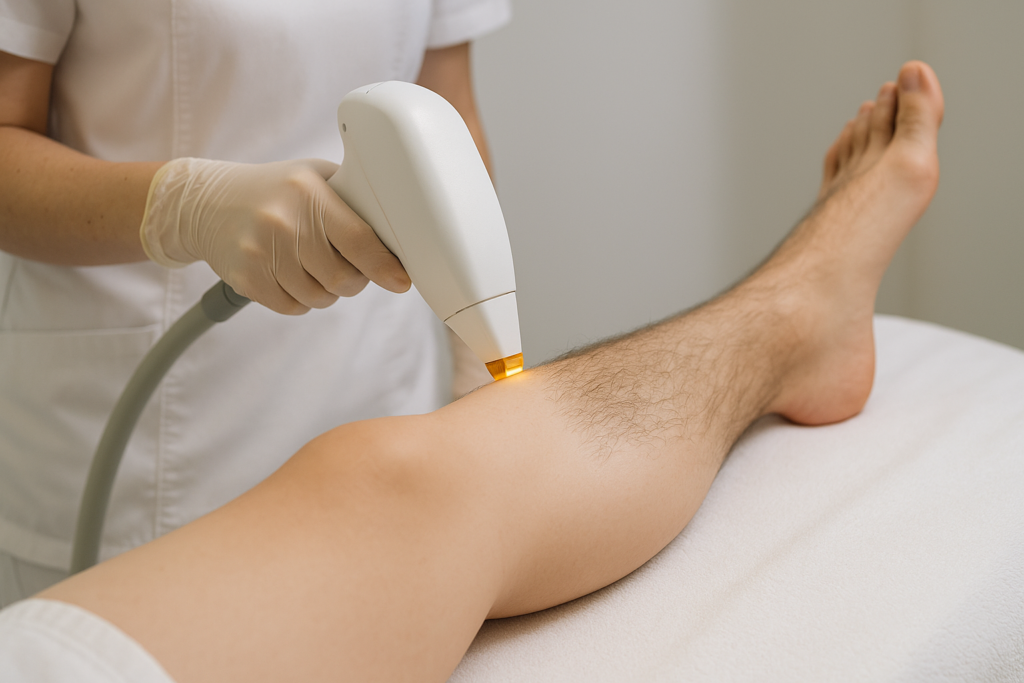
When to Shave Before Laser Hair Removal: Expert Timing Guide for Optimal Results
Shaving too early wastes your treatment session entirely.
The timing of your pre-treatment shave is one of the most critical factors determining whether your laser hair removal session delivers results or simply burns your money. I’ve watched countless patients arrive with stubble that’s too long, skin that’s freshly irritated, or—worse—completely unshaved areas, forcing us to either postpone their appointment or work with compromised conditions. The laser targets pigment in the hair follicle beneath your skin, not the hair shaft above it, which means the visible portion of your hair actually interferes with treatment efficacy and increases discomfort.
Most clinics tell you to shave beforehand, but the specifics matter tremendously. Shave 12 hours before your appointment and you might show up with razor burn that prevents treatment. Wait until two hours before and you’ll likely have optimal conditions—smooth skin with just enough follicle presence below the surface for the laser to target effectively. This window isn’t arbitrary; it’s based on skin recovery time, hair growth patterns, and laser physics. Understanding this timing transforms your treatment from a frustrating guessing game into a predictable, effective process that maximizes every dollar you invest in permanent hair reduction.
The Science Behind Pre-Treatment Shaving Requirements
Laser hair removal works through selective photothermolysis, a process where laser energy converts to heat when absorbed by melanin in your hair follicle. The critical word here is “follicle”—the living structure beneath your skin surface, not the dead hair shaft extending above it. When you arrive with visible hair, that protruding shaft absorbs laser energy meant for the follicle root, causing two problems simultaneously.
First, energy absorption by the hair shaft creates surface-level heat that manifests as stinging, burning sensations during treatment. Your practitioner can’t increase laser power to compensate because doing so would risk burns and hyperpigmentation. You experience more discomfort while receiving less effective treatment—exactly the opposite of what you’re paying for.
Second, longer hair shafts can actually singe during treatment, creating a smell and visual distraction while depositing carbon residue on your skin. This residue then competes with your follicles for subsequent laser pulses, further reducing treatment effectiveness. I’ve treated patients who ignored shaving instructions and left with patchy results requiring additional sessions to correct.
The ideal scenario involves hair shafts trimmed to skin level with follicle roots intact beneath the surface. This allows maximum laser energy to penetrate to the targeted depth—typically 3-4mm below your skin surface where the follicle bulb and dermal papilla reside. Your hair must be present in the follicle for the laser to have something to target, but absent above the skin to avoid energy waste and discomfort.
Optimal Shaving Timeline: The 12-24 Hour Window
Shave between 12 and 24 hours before your scheduled laser hair removal appointment. This timeframe balances three competing factors: skin recovery from shaving irritation, hair regrowth to visible length, and follicle presence for laser targeting.
Your skin needs recovery time after shaving. Razor blades create microscopic abrasions and inflammation even with proper technique, and treating inflamed skin with laser energy compounds irritation while reducing treatment safety. The 12-hour minimum allows your skin’s natural healing mechanisms to resolve acute inflammation, close micro-wounds, and return to baseline condition. Patients with sensitive skin should extend this to 24 hours, particularly for bikini & Brazilian laser hair removal where skin tends toward greater reactivity.
Meanwhile, hair grows at approximately 0.3-0.4mm per day depending on body location and individual factors. In 24 hours, regrowth rarely exceeds 0.5mm—short enough to avoid the energy absorption problems discussed earlier, yet present enough that you can verify complete shaving coverage. This slight stubble actually helps practitioners identify any missed patches before beginning treatment.
Evening shaving for morning appointments works exceptionally well. Your skin completes most inflammatory resolution during sleep, and you arrive with 8-12 hours of recovery time. For afternoon appointments, morning shaving on the same day provides the ideal window. This rhythm also means you’re not scrambling to shave immediately before rushing to your appointment, reducing the likelihood of cuts or incomplete coverage.
Body Area Considerations: One Size Doesn’t Fit All
Different body areas require adjusted shaving timelines based on skin sensitivity, hair growth rates, and anatomical accessibility. What works for your legs doesn’t necessarily apply to your face or intimate areas.
Face laser hair removal demands the most conservative approach. Facial skin contains more nerve endings and blood vessels, making it both more sensitive and more reactive to shaving. I recommend 24 hours minimum between shaving and treatment for facial areas. Men treating beard areas should pay particular attention, as coarse facial hair requires more aggressive shaving that creates proportionally more irritation. Your face is also constantly exposed, making any post-treatment complications immediately visible—another reason to optimize conditions.
Large body areas like back, chest, and full legs tolerate the full 12-24 hour window well. These areas typically have less reactive skin and more straightforward hair growth patterns. The main challenge is coverage—ensuring you’ve shaved every treatment area completely. Having a partner assist with back areas prevents the awkward contortions that lead to missed patches and uneven results.
Sensitive zones including underarms and bikini areas fall somewhere in between. Underarm skin is delicate and folded, prone to both ingrown hairs and irritation. Shave these areas 18-24 hours before treatment, using single-blade razors and minimal pressure to reduce trauma. The same applies to bikini and Brazilian treatments where skin sensitivity peaks and proper hygiene becomes paramount.
Shaving Technique That Protects Your Treatment Investment
How you shave matters nearly as much as when you shave. Poor technique creates conditions that compromise treatment safety and effectiveness, regardless of timing precision.
Start with clean, hydrated skin. Shower first, allowing warm water to soften hair shafts and open pores. This reduces the force needed to cut hair, which in turn reduces skin trauma. Apply a quality shaving gel or cream—not soap, which provides insufficient lubrication and can dry skin. Let the product sit for 30-60 seconds before beginning to shave, giving it time to further soften hair.
Use a clean, sharp razor with multiple blades for body areas and consider a single blade for facial and sensitive zones. Dull blades require multiple passes and increased pressure, multiplying irritation risk. Shave in the direction of hair growth first, then—only if needed for complete removal—make a second pass against the grain using minimal pressure. The goal is hair removal, not exfoliation. You’re not trying to achieve baby-smooth skin; you’re preparing follicles for laser targeting.
Rinse with cool water after shaving to close pores and reduce inflammation. Pat dry gently rather than rubbing. Apply an alcohol-free, fragrance-free moisturizer to support skin barrier recovery. Avoid products containing retinoids, alpha-hydroxy acids, or other active ingredients that might increase photosensitivity or irritation. Your skin should be as calm and boring as possible heading into treatment.
Never wax, pluck, or use depilatory creams before laser hair removal. These methods remove the hair follicle entirely, leaving nothing for the laser to target. You’re essentially paying for treatment that cannot work. If you’ve waxed or plucked, you must wait 4-6 weeks for follicles to regenerate before laser treatment becomes viable again.
What Happens If You Miss the Timing Window
Arriving outside the optimal shaving timeframe creates a cascade of problems, though some are more fixable than others. Understanding these scenarios helps you make informed decisions when life interferes with your preparation schedule.
If you arrive completely unshaved, most clinics will reschedule your appointment. We occasionally have electric trimmers available for emergency situations, but this is far from ideal. Trimming immediately before treatment means fresh skin irritation and irregular hair lengths—both of which compromise results. You’ve also likely disrupted our schedule and wasted a trip. Some clinics charge rescheduling fees for this situation, adding financial cost to the time cost.
Showing up with hair that’s too long but still shaved within the past few days presents options. For stubble under 2mm, practitioners can often proceed with adjusted settings—typically lower energy levels to account for some surface absorption. You’ll receive reduced effectiveness compared to optimal preparation, but the session isn’t completely wasted. Hair longer than 2mm generally requires trimming before we can proceed, introducing the same fresh-irritation problems mentioned above.
The reverse situation—shaving just 2-3 hours before treatment—carries less risk but still isn’t ideal. Skin inflammation peaks in the first few hours after shaving, and treating inflamed skin increases discomfort and temporary redness. If you absolutely must shave close to appointment time, use an electric trimmer rather than a blade. Trimmers remove hair without the scraping action that irritates skin, giving you acceptable preparation even with minimal advance time.
Fresh razor burn, cuts, or active skin irritation from shaving too close to appointment time will likely result in rescheduling. Laser energy amplifies inflammation and can worsen irritation or cause blistering when applied to compromised skin. No reputable practitioner will proceed under these conditions because the risk-to-benefit ratio becomes unacceptable.
Common Mistakes That Sabotage Your Results
Even patients who understand the basic shaving timeline make predictable errors that undermine their laser hair removal outcomes. Recognizing these patterns helps you avoid them.
Using dull razors ranks as the most common mistake. People economize on razor blades while spending hundreds on laser treatments, not realizing that a $3 razor determines whether their $200 session delivers results. Dull blades require multiple passes and heavy pressure, creating inflammation that persists beyond the 12-24 hour window. Replace cartridges every 5-7 uses for body areas, more frequently for coarse hair zones.
Aggressive exfoliation before or after shaving compounds irritation unnecessarily. Some patients scrub treatment areas thinking they’re “preparing” skin, but laser hair removal doesn’t require or benefit from exfoliation. You’re creating inflammation that interferes with treatment. Save exfoliation for between laser sessions, not the 48 hours surrounding them.
Applying the same shaving timeline to all body areas ignores the anatomical differences discussed earlier. Your half legs can tolerate a 12-hour window that would leave your face irritated and red. Customize timing based on the specific area receiving treatment rather than following a universal rule.
Forgetting to shave entirely is more common than you’d expect, particularly for smaller areas like ears or the neck. Patients focus on primary areas like legs or bikini line while neglecting secondary zones included in their treatment package. Set phone reminders for the day before your appointment listing every specific area requiring preparation.
Using products with photosensitizing ingredients after shaving increases burn risk. Fragrance, alcohol, retinoids, and certain plant extracts can all amplify laser energy absorption or delay healing. Check your moisturizer ingredients or simply use plain aloe vera gel after shaving before treatment.
Special Situations and Adaptations
Certain medical conditions, medications, and individual factors require modified shaving protocols to maintain safety while achieving results.
Patients taking blood thinners or with clotting disorders need extra caution during shaving. Even minor nicks bleed more profusely and heal more slowly, creating potential infection sites and treatment contraindications. Use electric trimmers instead of blade razors, accepting slightly less close results in exchange for significantly improved safety. Extend your timeline to 48 hours before treatment, giving any minor abrasions maximum healing time.
Active acne, eczema, or psoriasis in treatment areas requires consultation before proceeding. Shaving inflamed skin worsens these conditions, and laser treatment of compromised skin carries elevated risk. We often recommend treating unaffected areas while postponing problematic zones until skin conditions resolve. This isn’t ideal from a scheduling perspective, but it prevents complications that could create permanent scarring or pigmentation changes.
Pregnancy changes hair growth patterns and skin sensitivity for many women. While laser hair removal during pregnancy remains controversial with many practitioners declining treatment, those who do proceed typically recommend extending pre-treatment shaving to 24-36 hours. Pregnancy hormones increase skin reactivity, making that extra recovery time valuable insurance against irritation.
Patients with very coarse or very fine hair need timeline adjustments. Coarse hair—common in male beard areas and some ethnic backgrounds—requires more aggressive shaving that creates more trauma. Add 6-12 hours to standard recommendations, leaning toward 24-36 hour windows. Conversely, very fine hair like blonde facial vellus hair barely disturbs skin during shaving and may be prepared with shorter windows, though this hair type often responds poorly to laser treatment anyway due to low melanin content.
Frequently Asked Questions
Can I shave the morning of my laser hair removal appointment?
Morning-of shaving works if your appointment is in the afternoon or evening, providing at least 12 hours of recovery time. For morning appointments, shave the evening before to allow overnight healing. The key is ensuring adequate time between razor contact and laser treatment rather than fixating on which day you shave. If you have sensitive skin, particularly in areas like the face or bikini line, extend this to 24 hours regardless of appointment time. Same-day shaving within a few hours of treatment increases discomfort and reduces treatment safety.
What if I get razor burn right before my laser appointment?
Contact your clinic immediately if you develop razor burn, significant redness, or cuts within 48 hours of your scheduled appointment. Most practitioners will reschedule rather than risk treating compromised skin. Laser energy amplifies inflammation and can cause blistering, burns, or permanent pigmentation changes when applied to irritated skin. The rescheduling inconvenience is minor compared to the potential complications from proceeding. To minimize razor burn risk, always shave with proper technique using sharp razors, adequate lubrication, and gentle pressure at least 12-24 hours before treatment.
Is it better to shave with a razor or electric trimmer before laser treatment?
Standard blade razors provide the closest shave and work well for most patients when used 12-24 hours before treatment. Electric trimmers offer a safer alternative for those with very sensitive skin, blood clotting issues, or when you must shave closer to appointment time. Trimmers leave hair slightly longer than blade razors—usually 0.5-1mm—which can marginally reduce treatment effectiveness but avoid the skin trauma that blade shaving causes. For routine appointments on normal skin, blade razors are preferable. For sensitive areas or challenging timing, trimmers provide acceptable compromise.
How short should hair be before laser hair removal treatment?
Hair should be trimmed to skin level—essentially stubble length of 1mm or less. The laser targets the follicle beneath your skin surface, not the visible hair shaft, so longer hair wastes energy and increases discomfort without improving results. Hair shorter than 0.5mm can be difficult for practitioners to see, potentially leading to missed patches, though this rarely causes problems. The perfect length is the stubble you’d have 12-24 hours after a close shave with a quality razor. Avoid trying to achieve perfectly smooth, hair-free skin; slight stubble is actually ideal for verifying complete coverage.
Do I need to shave between laser hair removal sessions?
Yes, you can and should continue normal shaving between laser sessions. Treatment destroys hair follicles progressively over multiple sessions, so hair continues growing between appointments. Shaving doesn’t interfere with treatment effectiveness because it leaves follicle roots intact beneath the skin surface. Avoid waxing, plucking, or threading between sessions, as these methods remove the entire follicle and eliminate the target for subsequent laser treatments. Most patients notice reduced hair growth after each session, meaning you’ll need to shave less frequently as treatment progresses. This gradual reduction is normal and indicates the treatment is working properly.
Preparing for Long-Term Success
Proper shaving timing represents just one component of successful laser hair removal, but it’s a component entirely within your control. Unlike factors like your natural hair color, skin type, or hormonal status that determine baseline treatment responsiveness, preparation timing affects every single session. Mastering this element ensures you’re maximizing results from each appointment while minimizing discomfort and complication risks.
The investment you’re making in laser hair removal deserves protection through proper preparation. Whether you’re treating full body areas or focusing on specific zones, taking the time to shave correctly 12-24 hours before each session compounds into significantly better long-term outcomes. Ready to start your laser hair removal journey with expert guidance at every step? Our experienced practitioners at Bright and Beauty Laser Clinic provide detailed preparation instructions customized to your specific treatment areas and skin type, ensuring you arrive for each session in optimal condition for maximum results with minimum discomfort. Schedule your consultation today to develop your personalized treatment plan.