
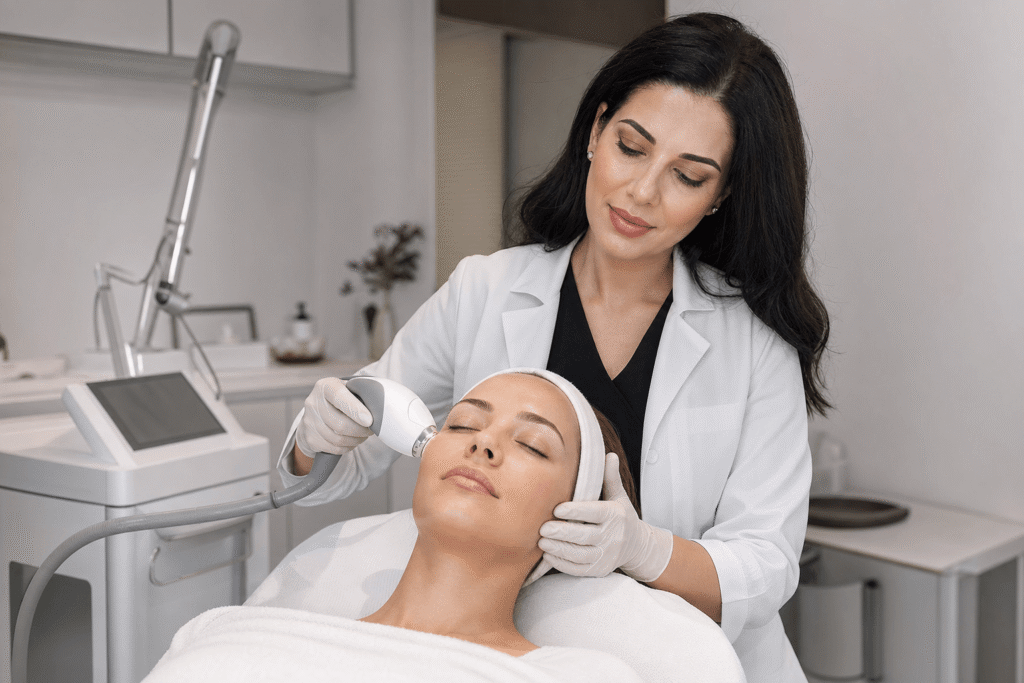
A facial is a professional skincare treatment that cleanses, exfoliates, and nourishes your skin to promote a clear, healthy complexion. If you have ever wondered what happens during a facial or whether it is worth the investment, this complete guide explains everything you need to know about facial treatments.
At Bright and Beauty Laser Clinic in North York, Toronto, we offer customized facial treatments designed to address your specific skin concerns and goals. Our treatments can be combined with other services like laser hair removal and skin rejuvenation for comprehensive skincare solutions tailored to Toronto’s unique climate challenges.
Key Takeaways
- Facials are multi-step professional treatments that cleanse, exfoliate, extract, and hydrate the skin
- Professional facials improve skin texture, reduce breakouts, and address signs of aging
- Most people benefit from facials every 4-6 weeks for optimal results
- Different facial types target specific concerns like acne, dryness, or pigmentation
- Post-facial purging is normal and usually resolves within a few days
What Is a Facial? Complete Definition and Overview
A facial is a comprehensive skincare treatment performed by a licensed esthetician or skincare professional. The treatment typically includes cleansing, exfoliation, extraction of impurities, massage, masks, and the application of serums and moisturizers tailored to your skin type.
Facials go beyond what you can achieve with at-home skincare routines. They use professional-grade products and techniques to deep clean pores, remove dead skin cells, and deliver concentrated ingredients that penetrate deeper into the skin.
The primary goals of a facial treatment include:
- Deep cleansing pores and removing impurities
- Exfoliating dead skin cells to reveal fresh skin
- Improving blood circulation and lymphatic drainage
- Addressing specific skin concerns like acne, aging, or hyperpigmentation
- Hydrating and nourishing the skin with targeted ingredients
- Promoting cellular turnover and collagen production
Professional facials can be customized based on your skin type (oily, dry, combination, or sensitive) and your specific concerns. Your esthetician will assess your skin condition and recommend the most appropriate treatment and products.
What Happens During a Facial Treatment: Step-by-Step Process
Understanding what to expect during your facial appointment can help you feel more comfortable and prepared. While specific steps may vary depending on the type of facial, most treatments follow a similar process.
Step 1: Consultation and Skin Analysis
Your esthetician begins by examining your skin under a magnifying lamp to assess your skin type, concerns, and any problem areas. This analysis helps determine which products and techniques will work best for your skin.
Step 2: Cleansing
The treatment starts with a thorough cleansing to remove makeup, dirt, oil, and environmental pollutants. The esthetician typically cleanses your face twice using products suited to your skin type.
Step 3: Exfoliation
Dead skin cells are removed through mechanical exfoliation (scrubs) or chemical exfoliation (acids like glycolic or salicylic acid). This step reveals fresh skin and allows better absorption of treatment products.
Step 4: Steam and Extraction
Warm steam is applied to open pores and soften blackheads and whiteheads. The esthetician then carefully extracts clogged pores using specialized tools or manual techniques. This step can cause some discomfort but should not be painful.
Step 5: Facial Massage
A relaxing massage stimulates blood circulation, promotes lymphatic drainage, and helps reduce puffiness. The massage typically includes your face, neck, shoulders, and sometimes arms.
Step 6: Treatment Mask
A mask tailored to your skin needs is applied and left on for 10-20 minutes. Masks can hydrate, purify, calm, or brighten depending on the ingredients used.
Step 7: Serums and Moisturizer
The esthetician applies targeted serums to address specific concerns, followed by a moisturizer appropriate for your skin type. Sunscreen is applied if your treatment is during the day.
A typical facial treatment takes 60-90 minutes from start to finish. More advanced facials may include additional steps like LED light therapy, microcurrent, or specialized peels.
Expert Tip: Communicate with your esthetician throughout the treatment. Let them know if any step feels uncomfortable or if you have questions about the products being used. At Bright and Beauty Laser Clinic, we prioritize your comfort and customize each treatment to your preferences.
Key Benefits of Professional Facials for Your Skin
Regular professional facials offer numerous benefits that extend beyond temporary improvements. Here are the key advantages of incorporating facials into your skincare routine.
Deep Cleansing and Pore Refinement
Professional facials remove impurities that daily cleansing cannot reach. The extraction process clears clogged pores, reducing blackheads and preventing future breakouts. Over time, regular facials can minimize the appearance of enlarged pores.
Improved Skin Texture and Tone
Exfoliation and professional-grade products smooth rough texture and even out skin tone. Facials help fade hyperpigmentation, sun damage, and acne scars with consistent treatments.
Anti-Aging Effects
Facial massage and targeted serums stimulate collagen production and improve skin elasticity. Regular treatments can reduce the appearance of fine lines, wrinkles, and sagging skin.
Enhanced Product Absorption
By removing dead skin cells and clearing pores, facials allow your at-home skincare products to penetrate more effectively. This maximizes the benefits of your daily routine.
Professional Guidance and Stress Relief
Your esthetician can identify skin issues you might miss and recommend appropriate treatments and products. The massage and pampering aspects of facials reduce stress hormones and promote relaxation, which can improve skin conditions that worsen with tension.
Different Types of Facials Explained
Various facial treatments target different skin concerns. Understanding the options helps you choose the right treatment for your goals.
Classic or European Facial
This standard facial includes all basic steps: cleansing, exfoliation, extractions, massage, mask, and moisturizer. It suits all skin types and provides general maintenance and relaxation.
Hydrating Facial
Designed for dry or dehydrated skin, this facial focuses on infusing moisture using hydrating masks and serums with hyaluronic acid to restore suppleness.
Acne Facial
Acne facials target breakouts and oily skin using deep cleansing, salicylic acid treatments, thorough extractions, and antibacterial masks to reduce inflammation.
Anti-Aging Facial
These treatments reduce signs of aging using ingredients like retinol, peptides, and antioxidants, plus firming masks and collagen-boosting serums.
Brightening Facial
Brightening facials address dull skin and hyperpigmentation using vitamin C, kojic acid, or other lightening agents to enhance radiance and fade dark spots.
Chemical Peel Facial
Chemical peels use acids at higher concentrations to exfoliate deeper layers of skin, effectively treating acne scars, sun damage, and fine lines.
| Facial Type | Best For | Key Benefits |
|---|---|---|
| Classic Facial | All skin types | General maintenance, relaxation |
| Hydrating Facial | Dry, dehydrated skin | Deep moisture, plumping |
| Acne Facial | Oily, acne-prone skin | Reduces breakouts, clears pores |
| Anti-Aging Facial | Mature skin, fine lines | Firms, reduces wrinkles |
| Brightening Facial | Dull, uneven tone | Enhances radiance, fades spots |
| Chemical Peel | Texture issues, scarring | Deep exfoliation, resurfacing |
How Often Should You Get a Facial?
The ideal frequency for facials depends on your skin type, concerns, age, and budget. Here are general guidelines to help you determine the right schedule.
Standard Recommendation
Most skincare professionals recommend getting a facial every 4-6 weeks. This timing aligns with the skin’s natural renewal cycle, which takes about 28 days. Regular monthly facials help maintain results and address concerns before they worsen.
For Specific Skin Concerns
If you are treating active acne, hyperpigmentation, or signs of aging, you may benefit from more frequent treatments initially. Your esthetician might recommend facials every 2-3 weeks for the first few months, then transition to monthly maintenance.
For Maintenance and Prevention
If your skin is generally healthy, facials every 6-8 weeks may be sufficient. This schedule works well for those with minimal concerns who follow a good at-home skincare routine.
Expert Tip: Consistency matters more than frequency. Regular facials every 6-8 weeks deliver better long-term results than sporadic treatments. At Bright and Beauty Laser Clinic, we offer package deals that make regular facials more affordable.
Understanding Post-Facial Skin Reactions and Purging
Some people experience temporary skin reactions after a facial. Understanding what is normal helps you distinguish between expected purging and problematic reactions.
What Is Skin Purging?
Skin purging occurs when facial treatments accelerate cell turnover, bringing clogged pores and congestion to the surface faster than normal. This can result in temporary breakouts, typically appearing within 24-72 hours after your facial.
Normal Post-Facial Reactions
Common reactions that are not cause for concern include mild redness lasting a few hours, slight dryness or flaking, small breakouts in usual problem areas, temporary sensitivity, and minor swelling around the eyes.
How Long Does Purging Last?
Facial purging typically resolves within 3-7 days. The breakouts should appear in your usual problem areas and heal faster than normal breakouts. If symptoms persist beyond a week or worsen, contact your esthetician.
Purging Versus Adverse Reaction
Signs of an adverse reaction include breakouts in new areas, severe redness or burning, hives or rash, worsening symptoms after several days, or significant pain. These require immediate consultation with your provider.
How to Manage Post-Facial Purging
To minimize discomfort, avoid touching breakouts, use gentle products, skip active ingredients like retinol for a few days, keep skin hydrated, avoid heavy makeup for 24 hours, wear SPF 30 or higher, and avoid intense workouts that cause excessive sweating for 24 hours.
How to Prepare Your Skin Before a Facial Appointment
Proper preparation maximizes the benefits of your facial and reduces the risk of adverse reactions.
One Week Before Your Facial
Avoid aggressive treatments like chemical peels, microdermabrasion, or laser treatments, as these can make your skin too sensitive. Stop using retinol or prescription retinoids 2-3 days before your appointment. Do not wax or use depilatory creams on your face during this time.
48 Hours Before
Continue your normal skincare routine but avoid introducing new products that might cause unexpected reactions. Skip intense exfoliation or scrubs that could irritate your skin. Stay well-hydrated by drinking plenty of water.
Day of Your Appointment
Arrive with a clean face or minimal makeup. Your esthetician will cleanse your skin, but starting fresh is helpful. Avoid caffeine before your appointment as it can make skin more sensitive. Do not apply heavy creams or oils that might interfere with product penetration.
What to Communicate to Your Esthetician
Inform your esthetician about any allergies, sensitivities, medications, or recent treatments. Mention if you are pregnant, as some products and techniques should be avoided. Discuss your skin concerns, goals, and any past reactions to treatments. This information helps your esthetician customize your facial safely and effectively.
What to Avoid Before Your Facial
Skip direct sun exposure or tanning beds for at least 48 hours before your appointment. Avoid alcohol the night before, as it can dehydrate your skin. Do not schedule your facial right before important events in case of temporary redness or purging.
Combining Facials with Other Professional Treatments
Strategic combination of facials with other professional treatments can enhance your overall results when done correctly and safely.
Facials and Laser Hair Removal
Facials pair well with laser hair removal treatments on different body areas during the same visit. However, avoid having both treatments on the same facial area on the same day. At Bright and Beauty Laser Clinic in North York, we can schedule laser hair removal for body areas while providing facial treatments for your face, maximizing your appointment efficiency.
Facials with Skin Rejuvenation Treatments
Facials complement skin rejuvenation treatments like LED light therapy and microcurrent. These can often be combined in a single session for enhanced anti-aging results. LED therapy reduces inflammation and stimulates collagen, while facials provide deep cleansing and hydration. The combination addresses both surface concerns and deeper skin health.
Timing with Injectable Treatments
If you receive Botox or dermal fillers, wait at least two weeks before getting a facial to avoid disrupting the placement. Schedule your facial before injectables rather than after. The massage and manipulation involved in facials can affect injectable placement if done too soon.
Coordination with Chemical Peels and Laser Resurfacing
Schedule gentle, hydrating facials at least one week before or after chemical peels or laser resurfacing treatments. These intensive treatments require recovery time, and adding a facial too soon can cause irritation. Your esthetician can recommend maintenance facials between more aggressive treatments to support healing and maintain results.
Creating a Comprehensive Treatment Plan
At Bright and Beauty Laser Clinic, our experienced estheticians work with you to create a comprehensive treatment plan that safely combines multiple services. We consider your skin type, concerns, schedule, and Toronto’s seasonal climate to optimize results while maintaining skin health. Package deals make it affordable to combine treatments for complete skincare solutions throughout the year.
Experience Professional Facials in North York
Ready to discover the benefits of customized facial treatments? Book your consultation at Bright and Beauty Laser Clinic today. Our experienced estheticians will assess your skin and recommend the perfect facial treatment for your needs.
Seasonal Facial Recommendations for Toronto and North York
Toronto’s distinct seasons create changing skin needs throughout the year. Adjusting your facial treatments seasonally optimizes results and addresses climate-specific concerns in the North York area.
Spring Facials (March to May)
After harsh Toronto winters, spring is ideal for exfoliation and brightening treatments to remove dull, dry skin accumulated during cold months. Chemical peels and microdermabrasion work well as the sun becomes less intense. Address winter dehydration with hydrating facials that restore moisture balance. Focus on repairing the skin barrier damaged by indoor heating and cold winds. This transition period prepares your skin for increased outdoor activity and sun exposure.
Summer Facials (June to August)
During hot, humid Toronto summers, choose lighter, oil-controlling treatments that address increased sebum production. Cooling and soothing facials with ingredients like aloe and cucumber help calm sun-exposed skin. Focus on antioxidant treatments to protect against UV damage and environmental pollution. Avoid aggressive peels that increase sun sensitivity. Hydrating facials remain important despite humidity, as air conditioning can dehydrate skin. Schedule treatments in the evening to minimize immediate sun exposure afterward.
Fall Facials (September to November)
Fall is the optimal time for intensive treatments in North York. Schedule stronger chemical peels or resurfacing procedures as sun exposure decreases. Address summer sun damage with treatments that fade hyperpigmentation using vitamin C and brightening agents. Begin preparing your skin for harsh winter weather with barrier-strengthening facials containing ceramides and fatty acids. This transition period allows you to repair summer damage before winter stress begins, making it ideal for corrective treatments.
Winter Facials (December to February)
Toronto winters are particularly harsh on skin. Prioritize deep hydration and nourishment to combat dry indoor heating and bitter cold outdoor temperatures. Choose facials with rich, moisturizing masks and barrier-repairing ingredients like hyaluronic acid and shea butter. Avoid aggressive exfoliation that could compromise your protective skin barrier during this vulnerable time. Gentle enzyme peels provide exfoliation without stripping skin. Schedule facials more frequently (every 3-4 weeks) to maintain moisture levels throughout North York’s coldest months.
Red Flags When Choosing a Facial Provider
Selecting a qualified, reputable esthetician is crucial for safe, effective treatments. Watch for these warning signs when choosing where to get your facial in the North York and Toronto area.
Lack of Proper Licensing and Credentials
Always verify that your esthetician is licensed and certified. In Ontario, estheticians should have completed approved training programs from recognized institutions. Reputable clinics like Bright and Beauty Laser Clinic display licenses and certifications openly in the treatment area or reception. Do not hesitate to ask about qualifications, training, and years of experience.
Poor Hygiene and Sanitation Practices
The treatment room should be clean, organized, and well-maintained. Tools must be properly sanitized between clients or be single-use disposables. Your esthetician should wash their hands thoroughly before touching your face and use fresh, clean linens for each client. If you notice dirty surfaces, reused materials, or questionable cleanliness, leave and find another provider.
No Consultation or Skin Analysis
A professional esthetician should assess your skin thoroughly and discuss your concerns, goals, and medical history before starting treatment. Be wary of providers who jump straight into treatment without understanding your skin type, allergies, sensitivities, or current skincare routine. A proper consultation typically takes 10-15 minutes and includes examining your skin under proper lighting.
Aggressive Sales Tactics
While product recommendations are normal and helpful, aggressive sales pressure is a red flag. Your esthetician should educate you about products that complement your treatment and support your goals without making you feel obligated to purchase. High-pressure tactics indicate the provider prioritizes profit over your best interests.
Unrealistic Promises and Guarantees
Be skeptical of providers who guarantee dramatic results after one treatment or promise to fix serious skin conditions without medical intervention. Quality professionals set realistic expectations and explain that most skin concerns require multiple treatments, consistent at-home care, and patience. They acknowledge limitations and refer you to dermatologists when appropriate.
Dismissing Your Concerns or Discomfort
Your esthetician should listen carefully to your feedback during treatment and adjust their approach if you experience discomfort. If they dismiss your concerns, ignore your pain, or make you feel uncomfortable speaking up, find a provider who prioritizes your experience and safety.
Questions to Ask Before Booking
Before committing to a facial provider, ask about their training and certifications, how long they have been practicing, what products they use and why, their experience treating your specific skin concerns, their cancellation and rescheduling policies, and whether they offer patch testing for sensitive skin. Quality providers welcome these questions and answer them thoroughly and patiently.
Frequently Asked Questions About Facials
What is a facial and what does it do?
A facial is a multi-step professional skincare treatment that cleanses, exfoliates, extracts impurities, and nourishes your skin. It improves skin texture, unclogs pores, reduces breakouts, addresses signs of aging, and promotes a healthy, glowing complexion. The treatment is customized to your specific skin type and concerns by a licensed esthetician.
Are professional facials worth it?
Yes, professional facials are worth the investment. They provide deep cleansing and treatments you cannot achieve at home using professional-grade products and techniques. Regular facials improve skin health over time, prevent future problems, offer expert guidance on your skincare routine, and provide relaxation benefits that support overall wellness.
How often should you get a facial for best results?
For optimal results, get a facial every 4-6 weeks. This timing aligns with your skin’s natural 28-day renewal cycle. If treating specific concerns like active acne or hyperpigmentation, you may benefit from treatments every 2-3 weeks initially, then transition to monthly maintenance. For healthy skin maintenance, every 6-8 weeks is sufficient.
Why do I break out after getting a facial?
Breaking out after a facial is often due to skin purging, which occurs when treatments accelerate cell turnover and bring existing congestion to the surface faster. This normal, temporary reaction usually clears within 3-7 days. It indicates the treatment is deep cleaning your pores. Breakouts should appear in your usual problem areas and heal quickly.
How much does a facial cost in Toronto?
Facial prices in Toronto typically range from $80 to $250, depending on the type of facial and clinic location. Basic facials cost less, while specialized treatments like chemical peels, LED therapy, or microdermabrasion cost more. At Bright and Beauty Laser Clinic in North York, we offer competitive pricing and package deals that make regular facials more affordable.