
About 20% of women experience unwanted facial hair growth that goes beyond the soft, barely visible peach fuzz most people have. Many assume it’s just genetics they have to accept. But the truth is more nuanced. While you can’t magically erase hair follicles with kitchen ingredients alone, understanding how to stop facial hair growth in females naturally permanently involves addressing the root hormonal and metabolic causes while combining evidence-based natural methods with professional treatments that actually work.
The path to permanently reducing facial hair isn’t about miracle creams or dubious supplements. It’s about understanding what’s driving the growth in the first place. Hormonal imbalances, particularly elevated androgens like testosterone and DHT, trigger terminal hair growth on the chin, upper lip, jawline, and sideburns. Natural approaches can absolutely help regulate these hormones and slow new growth, but true permanent reduction requires targeting the follicle itself.
Let’s explore the most effective natural strategies and understand when professional intervention makes sense. At Bright and Beauty Laser Clinic in North York, Soraya works with women every week who’ve tried everything from threading to turmeric masks. The most successful outcomes always combine lifestyle modifications with targeted treatments that address both the symptom and the cause.
Understanding Why Facial Hair Grows in Women
Terminal facial hair in women stems from androgen sensitivity in hair follicles. Your follicles have receptors that respond to male hormones, particularly dihydrotestosterone (DHT). When androgen levels rise or follicle sensitivity increases, vellus hair transforms into coarse, pigmented terminal hair.
Several conditions trigger this transformation. Polycystic ovary syndrome (PCOS) affects roughly 10% of women and causes elevated androgens. Thyroid disorders, insulin resistance, and adrenal dysfunction also shift hormone ratios. Sometimes the cause is idiopathic, meaning doctors can’t identify a specific condition, but the follicles simply respond more aggressively to normal hormone levels.
Age plays a role too. During perimenopause and menopause, estrogen levels drop while androgens remain relatively stable. This changing ratio often triggers new facial hair growth in women who never experienced it before. Understanding your specific trigger is the first step toward effective management.
At Bright and Beauty Laser Clinic, Soraya always recommends clients get comprehensive hormone testing before starting any treatment plan. Knowing your testosterone, DHEA-S, and thyroid levels helps determine whether natural approaches alone will suffice or if you need medical management alongside professional hair removal.
Natural Dietary Changes That Impact Hormone Levels
What you eat directly influences androgen production and insulin sensitivity. High glycemic foods spike blood sugar, triggering insulin release that stimulates ovarian androgen production. This cascade effect can worsen facial hair growth, especially in women with PCOS or insulin resistance.
Focus on low-glycemic whole foods. Replace refined carbohydrates with vegetables, legumes, and intact grains. Studies show that women who switch to low-glycemic diets see measurable reductions in free testosterone within three months. The effect isn’t dramatic, but it’s real.
Anti-inflammatory foods help too. Chronic inflammation upregulates enzymes that convert testosterone to DHT. Omega-3 fatty acids from fish, flaxseed, and walnuts reduce inflammatory markers. Cruciferous vegetables like broccoli and cauliflower contain indole-3-carbinol, which helps metabolize estrogen more favorably.
Spearmint tea has garnered attention for its anti-androgenic properties. Research published in Phytotherapy Research found that drinking two cups daily for five days reduced free testosterone levels in women with hirsutism. The effect is modest but consistent across multiple studies.
Soraya observes that clients who combine dietary changes with professional facial laser treatments achieve better long-term results. Hormonal management slows new growth while laser targets existing follicles.
Herbal Supplements and Their Evidence Base
Several herbs show promise for modulating hormones, though evidence quality varies. Saw palmetto blocks 5-alpha-reductase, the enzyme that converts testosterone to DHT. Small studies suggest 200-320mg daily may reduce hirsutism scores over six months, though results aren’t consistent across all populations.
Vitex (chasteberry) influences the pituitary gland to balance LH and FSH ratios. Women with irregular cycles and mild hyperandrogenism sometimes benefit, but it’s not appropriate for everyone. It can interfere with hormonal birth control and shouldn’t be taken without medical guidance.
Licorice root contains compounds that inhibit testosterone synthesis and block androgen receptors. A 2004 study found that 3.5 grams daily reduced testosterone in healthy women. But licorice can raise blood pressure and cause potassium depletion with long-term use, so it’s not risk-free.
The challenge with herbal approaches is inconsistent dosing and lack of rigorous clinical trials. Quality matters enormously. Supplements aren’t regulated like pharmaceuticals, so potency varies between brands. If you choose this route, work with a naturopath or functional medicine practitioner who understands contraindications and can monitor your response.
Topical Treatments That Actually Work
Topical solutions won’t permanently stop hair growth, but some can slow it temporarily. Eflornithine cream (prescription) inhibits ornithine decarboxylase, an enzyme needed for hair growth. Applied twice daily, it slows facial hair growth in about 60% of users. Hair returns to baseline eight weeks after stopping.
Natural topical options have weaker evidence. Turmeric paste mixed with milk has been used traditionally in South Asia. Curcumin may have mild anti-inflammatory and weak anti-androgenic properties, but there’s no solid research supporting permanent hair reduction. It can stain skin yellow temporarily.
Lavender and tea tree oils have been studied for their potential hormone-modulating effects. A case report linked prepubertal gynecomastia to repeated topical use, suggesting these oils may have estrogenic or anti-androgenic activity. Whether this translates to reduced facial hair growth remains speculative.
Sugar waxing and threading physically remove hair but don’t affect the follicle’s growth capacity. They’re temporary solutions that need repeating every few weeks. Over time, repeated trauma can cause ingrown hairs and hyperpigmentation, particularly in darker skin tones.
Ready to book your treatment?
Visit Soraya and the team at our North York clinic for a personalized consultation and professional laser or facial treatment.
When Professional Treatment Becomes Necessary
Natural methods can reduce androgen levels by perhaps 10-30% in responsive individuals. That’s helpful but rarely sufficient for significant cosmetic improvement. If you’re tweezing daily or avoiding social situations because of facial hair, it’s time to consider treatments that target follicles directly.
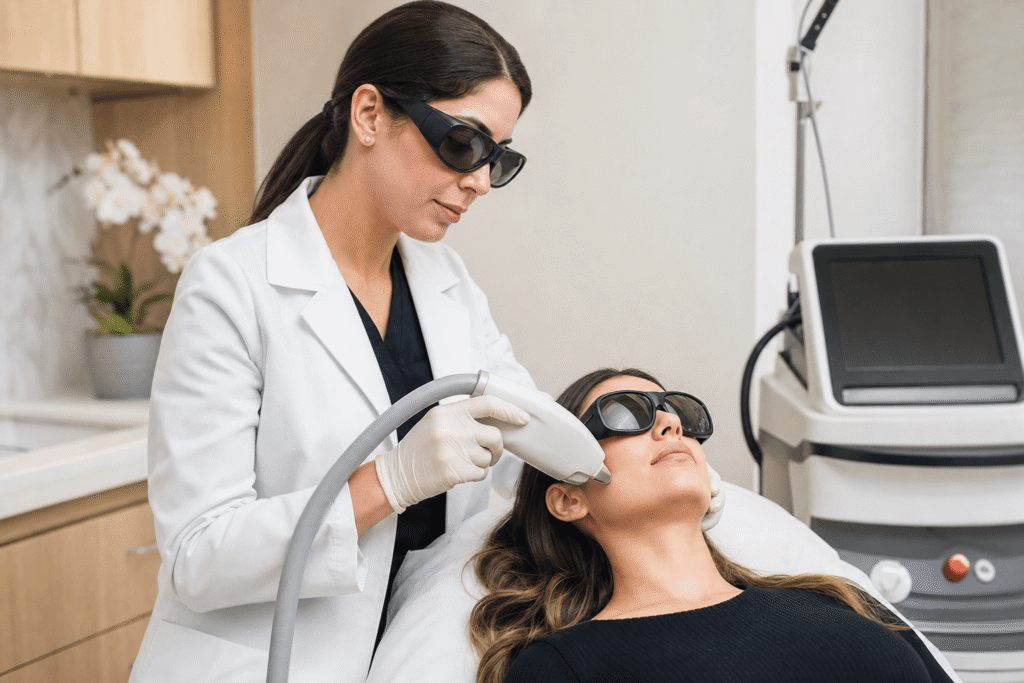
Laser hair removal works by delivering concentrated light energy that’s absorbed by melanin in the hair shaft. The heat damages the follicle’s stem cells, preventing regrowth. It’s most effective on dark, coarse hair against lighter skin, though newer technologies have expanded the treatable range.
At Bright and Beauty Laser Clinic on Yonge Street, Soraya uses adjustable wavelength and pulse duration settings calibrated to each client’s Fitzpatrick skin type. This precision minimizes risk while maximizing follicle disruption. Facial treatments typically require 6-8 sessions spaced four weeks apart, with most clients seeing 70-90% permanent reduction.
The key word is “permanent reduction,” not complete elimination. Some follicles will always remain, and hormonal fluctuations can activate dormant ones. But results from laser treatments last years, not weeks. Many women need only occasional maintenance sessions once or twice yearly.
Electrolysis offers true permanent removal by destroying individual follicles with electrical current. It works on all hair colors and skin tones but is time-consuming and uncomfortable. For small areas like the chin, it’s viable. For larger facial zones, laser is more practical.
Women who start laser while simultaneously addressing hormonal causes through diet or medication see the best outcomes. Soraya recommends starting treatment in fall or winter when sun exposure is minimal for optimal Toronto-area scheduling.
Lifestyle Factors That Influence Hair Growth
Stress chronically elevates cortisol, which influences androgen production through the HPA axis. High cortisol can worsen insulin resistance, creating a vicious cycle. Stress management isn’t just wellness fluff – it has measurable effects on hormone balance.
Sleep quality matters more than most people realize. Poor sleep disrupts leptin and ghrelin, hormones that regulate appetite and insulin sensitivity. One study found that women who slept less than six hours nightly had higher fasting insulin and testosterone levels than those sleeping seven to eight hours.
Exercise improves insulin sensitivity and helps regulate body weight. But excessive high-intensity training can backfire by raising cortisol. Moderate consistent activity like brisk walking, strength training, and yoga provides benefits without overtaxing the endocrine system.
Body composition influences hormone metabolism. Adipose tissue produces estrone and converts androgens. Both very low and very high body fat percentages can disrupt normal hormone patterns. Maintaining a moderate healthy weight supports better hormonal balance.
Combining Natural and Professional Approaches
The most effective strategy integrates multiple approaches. Start with comprehensive testing to identify underlying conditions. Address diet, stress, and sleep to optimize your internal environment. Add targeted supplements if appropriate for your situation.
Then layer in professional removal for existing hair. Natural methods prevent new follicles from activating and slow growth rates. Laser or electrolysis eliminates the terminal hairs you already have. Together, they provide results neither achieves alone.
Bright and Beauty Laser Clinic structures treatment plans around this dual approach. Initial consultations assess both the cosmetic concern and the underlying causes. Soraya often coordinates with clients’ endocrinologists or naturopaths to ensure everyone’s working toward the same goal.
Timing matters. If you’re addressing PCOS through metformin or birth control, wait until your medications stabilize before starting laser. Hormonal fluctuations during the adjustment period can trigger new hair growth that undermines your treatment progress.
Maintenance is part of the long game. Even after successful laser treatment, hormonal changes during perimenopause or thyroid dysfunction can reactivate some follicles. Plan for occasional touch-up sessions rather than expecting a one-and-done solution. Understanding permanence helps set realistic expectations.
Key Takeaways
- Address underlying hormonal imbalances through testing and targeted dietary changes first
- Combine anti-inflammatory foods with spearmint tea for modest androgen reduction
- Consider professional laser treatment alongside natural methods for permanent follicle reduction
- Expect 70-90% long-term reduction with laser, not complete elimination forever
- Plan maintenance sessions as hormones naturally fluctuate with age and life changes
Frequently Asked Questions
Managing unwanted facial hair requires understanding your body’s unique hormonal landscape and choosing interventions that address both symptoms and causes. Natural approaches provide real value for hormone regulation and can meaningfully slow new growth, especially when addressing conditions like PCOS or insulin resistance. But expecting kitchen remedies to permanently eliminate terminal hair sets you up for disappointment.
Soraya and the team at Bright and Beauty Laser Clinic see the most satisfied clients when natural hormone optimization combines with professional laser treatment. The hormonal work slows future activation of dormant follicles, while laser eliminates the existing hairs causing daily frustration. This integrated approach delivers results that feel genuinely permanent for most women, with minimal maintenance needed over time.
If you’re ready to move beyond daily tweezing and explore solutions backed by both science and clinical experience, a consultation provides clarity on what’s realistic for your situation. Visit Bright and Beauty Laser Clinic at 4789 Yonge St, Unit 408 in North York, or call (416) 666-4500 to discuss your specific concerns. Book your personalized consultation and take the first step toward skin that finally feels comfortable in your own face.