
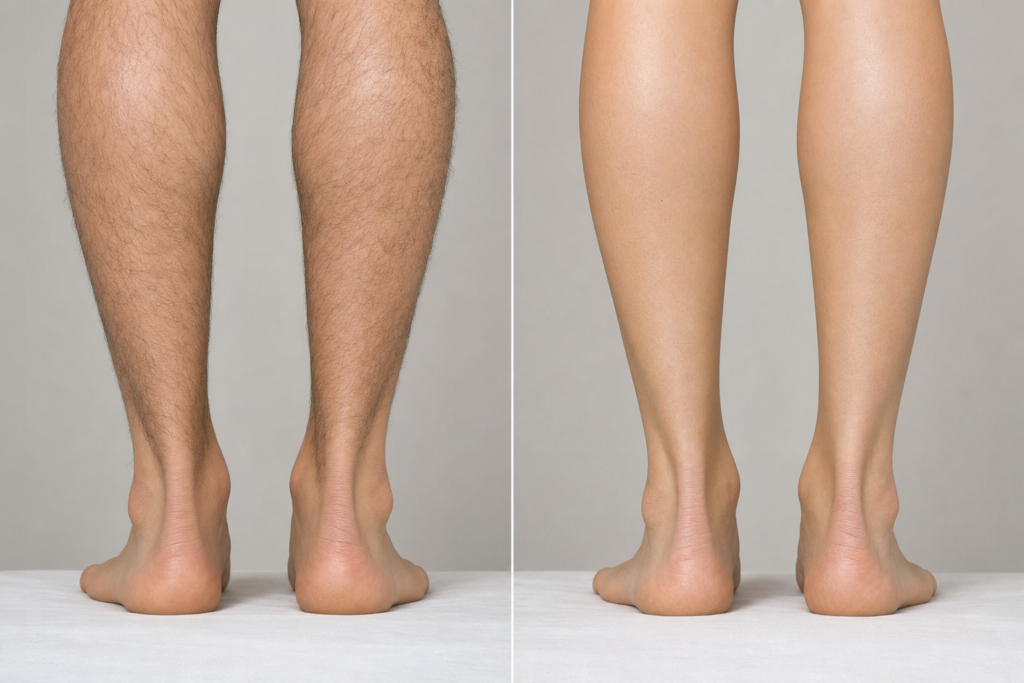
Most people expect laser hair removal to last forever after their first treatment. The reality is more nuanced. While laser technology can destroy hair follicles permanently, understanding how long laser hair removal lasts requires looking at your unique biology, treatment quality, and what “permanent” actually means in medical aesthetics.
The short answer: properly completed laser hair removal typically lasts several years to a lifetime, with most clients experiencing 80-95% permanent reduction. But hormones, genetics, and treatment protocols all play crucial roles. Some areas stay smooth for decades, while others may need occasional touch-ups every few years.
At Bright and Beauty Laser Clinic in North York, Soraya has observed thousands of treatment outcomes over the years, and the patterns are clear. Clients who complete their full treatment series and follow proper protocols typically enjoy long-lasting smoothness. Let’s explore exactly what determines your results and what you can realistically expect.
Understanding Permanent Hair Reduction vs. Permanent Hair Removal
The FDA uses specific language when approving laser devices: “permanent hair reduction,” not “permanent hair removal.” This distinction matters more than most clinics admit.
Permanent reduction means significantly fewer hairs that grow back finer and lighter. Studies show properly treated follicles are destroyed forever and cannot regenerate. However, dormant follicles not in the active growth phase during treatment can activate later, especially with hormonal changes.
When Soraya evaluates clients at our North York location, she explains that complete permanence depends on treating every follicle during its growth phase. Since only 20-30% of follicles are active at any time, this requires multiple sessions spaced according to your hair’s growth cycle.
Most clients achieve 80-95% reduction after completing their series. The remaining 5-20% consists of new follicles activating or hormonal influences creating new growth. This is why maintenance sessions exist, though many people never need them.
Treatment Sessions Required for Long-Lasting Results
The number of sessions directly impacts how long your results last. Incomplete treatment series are the primary reason people see hair return sooner than expected.
Most body areas require 6-8 sessions for optimal reduction. Facial hair removal often needs 8-10 sessions due to hormonal influences on facial follicles. Areas like the bikini line or underarms respond quickly, while hormonal zones take longer.
At Bright and Beauty Laser Clinic, treatment spacing follows each client’s individual hair growth cycle, typically 4-6 weeks for body areas and 3-4 weeks for facial zones. Soraya adjusts timing based on how quickly hair regrows between sessions, which varies significantly between clients.
Stopping treatment after 3-4 sessions is like painting half a room. You’ve made progress, but many follicles remain untreated. Clients who complete the full recommended series report smooth skin lasting years longer than those who stop early.
Why Session Spacing Matters
Rushing through treatments or spacing them too far apart reduces effectiveness. Each session should catch new follicles entering their growth phase while those previously treated remain dormant.
Too frequent treatments waste time and money, hitting the same dormant follicles repeatedly. Too much time between sessions allows treated follicles to complete their cycle and potentially recover.
Factors That Influence How Long Results Last
Even with perfect treatment protocols, individual factors determine your specific longevity. Genetics and hormones play the largest roles.
Hormonal fluctuations are the most common reason for new growth years after treatment. Pregnancy, menopause, PCOS, thyroid conditions, and certain medications can activate dormant follicles or stimulate new growth. This doesn’t mean your treatments failed, just that your body created new follicles.
Hair and skin type affect both initial effectiveness and lasting results. Coarse, dark hair on light skin provides ideal contrast for laser targeting. Soraya customizes laser wavelength and pulse duration at our Toronto clinic based on each client’s Fitzpatrick skin type, ensuring safe energy levels that destroy follicles without damaging surrounding tissue.
Fine, light hair requires more sessions and may not last as long because follicles are harder to target completely. However, newer laser technology in 2026 has improved results even for challenging hair types.
Treatment area matters significantly. Arms and legs typically show longer-lasting results than hormonal areas like the face, chest, or bikini line. Back laser hair removal for men often lasts longer than chest treatments due to different hormonal influences.
Genetic factors determine your baseline hair growth patterns. Some people naturally have more follicles or stronger hormonal drives for hair production. Family history of excessive hair growth often correlates with needing more maintenance over time.
What to Expect Year by Year After Treatment
Understanding the timeline helps set realistic expectations and plan for potential maintenance.
Months 1-6 after final session: You’ll notice any remaining hair is significantly finer and lighter. Most clients enjoy completely smooth skin or minimal regrowth during this period. Any growth is typically from follicles that were dormant during your entire treatment series.
Year 1-2: Results remain stable for most people. Approximately 70% of clients report no need for touch-ups during this period. Those who do see regrowth typically notice it in hormonal areas or small patches where follicle density was highest.
Year 3-5: This is when hormonal changes or newly activated follicles become noticeable for some clients. Many still enjoy completely smooth skin, but others may want 1-2 maintenance sessions. At Bright and Beauty Laser Clinic, Soraya typically sees clients return for touch-ups around the 2-3 year mark if they return at all.
Year 5+: Long-term data shows most treated follicles remain permanently disabled. Any regrowth is usually new follicles, not previously treated ones recovering. Maintenance needs vary widely based on individual factors.
Maintenance Sessions and Touch-Ups
Even with excellent initial results, some clients benefit from occasional maintenance. This doesn’t mean the treatment failed, it means your body created new growth or hormonal shifts occurred.
Most maintenance involves 1-2 sessions annually or biannually, far less intensive than the original series. Some clients go 5-10 years without any touch-ups, while others with strong hormonal influences may want yearly maintenance for hormonal areas.
The good news: maintenance sessions are quick and relatively inexpensive compared to your initial investment. A single underarm touch-up takes 10-15 minutes and can extend your smoothness for another year or two.
Cost perspective matters here. If you spent $1,500 on full leg laser hair removal and need a $150 touch-up every three years, you’re still far ahead of waxing costs over the same period.
When Maintenance Becomes Necessary
Common triggers for maintenance include pregnancy and postpartum hormonal shifts, starting or stopping hormonal birth control, menopause, significant weight changes, and new medications affecting hormone levels.
If you notice regrowth, don’t wait years to address it. Early maintenance prevents new follicles from becoming fully established and typically requires fewer sessions than waiting until significant regrowth occurs.
Comparing Laser Hair Removal Longevity to Other Methods
Context helps appreciate how long laser results truly last compared to alternatives.
| Method | Initial Cost | Results Last | 10-Year Cost |
|---|---|---|---|
| Laser Hair Removal | $1,500-3,000 | Years to lifetime | $1,500-4,000 |
| Waxing | $50-100/session | 3-6 weeks | $6,000-12,000 |
| Shaving | $200/year | 1-3 days | $2,000+ |
| Electrolysis | $3,000-8,000 | Permanent (individual follicles) | $3,000-10,000 |
The financial case for laser becomes clear over time. Even with occasional maintenance, laser hair removal typically costs less over a decade than regular waxing while providing dramatically better results.
Time investment also matters. Consider the hours spent shaving or visiting waxing appointments over years. Laser clients at our North York clinic often mention the time savings as valuable as the cost savings.
Maximizing Your Results for Longest-Lasting Smoothness
Your actions before, during, and after treatment significantly impact longevity. Following protocols isn’t just about safety, it’s about getting every follicle effectively treated.
Complete your full treatment series even when results look perfect halfway through. Those final sessions catch late-activating follicles that would otherwise regrow.
Avoid sun exposure before and after treatments. Tanned skin reduces laser effectiveness and increases complication risk. At Bright and Beauty Laser Clinic in Toronto, Soraya adjusts treatment parameters for sun exposure, but optimal results come from protected skin.
Don’t wax or pluck between sessions. These methods remove the hair shaft that laser targets. Shaving is fine because it leaves the follicle intact, but pulling hair from the root disrupts treatment effectiveness.
Stay consistent with timing. Missing appointments or spacing them irregularly allows follicles to complete growth cycles untreated. Life happens, but try to maintain your recommended schedule.
Communicate hormonal changes with your specialist. Starting new medications, getting pregnant, or experiencing hormonal symptoms helps your provider adjust expectations and treatment plans accordingly.
Frequently Asked Questions
Does laser hair removal last forever?
For most people, properly completed laser hair removal provides permanent reduction of 80-95% that lasts many years to a lifetime. Treated follicles are destroyed permanently, but hormonal changes can activate new follicles over time. Most clients enjoy long-lasting smoothness with minimal maintenance needs.
How many years does laser hair removal typically last?
Results typically last 3-10+ years before any maintenance might be needed, with many people never requiring touch-ups at all. The exact duration depends on your hormonal balance, genetics, treatment area, and whether you completed the full recommended series. Body areas usually last longer than facial zones.
Will hair grow back thicker after laser hair removal?
No, this is a persistent myth. Laser hair removal destroys follicles permanently, so treated hairs cannot grow back at all, let alone thicker. Any regrowth comes from previously dormant follicles that were not treated, and this new growth is typically finer and lighter than your original hair.
Is one laser hair removal session permanent?
A single session destroys follicles that were in active growth phase during treatment, making that reduction permanent for those specific follicles. However, since only 20-30% of follicles are active at any time, one session cannot treat all follicles. Multiple sessions are necessary to catch all follicles during their growth phase for comprehensive, long-lasting results.
What body areas have the longest-lasting laser hair removal results?
Arms, legs, back, and shoulders typically show the longest-lasting results because these areas are less influenced by hormonal fluctuations. Facial hair, chest, and bikini areas may need more maintenance over time due to stronger hormonal influences on follicle activity in these zones.
Laser hair removal offers years of smooth, hair-free skin when performed correctly with appropriate technology and expertise. Soraya and the team at Bright and Beauty Laser Clinic customize every treatment plan based on your unique hair type, skin tone, and goals, ensuring you achieve the longest-lasting results possible.
Ready to enjoy years of effortless smoothness? Book your consultation at Bright and Beauty Laser Clinic, conveniently located at 4789 Yonge St, Unit 408, North York, or call (416) 666-4500 to discuss your treatment plan with our experienced team.