
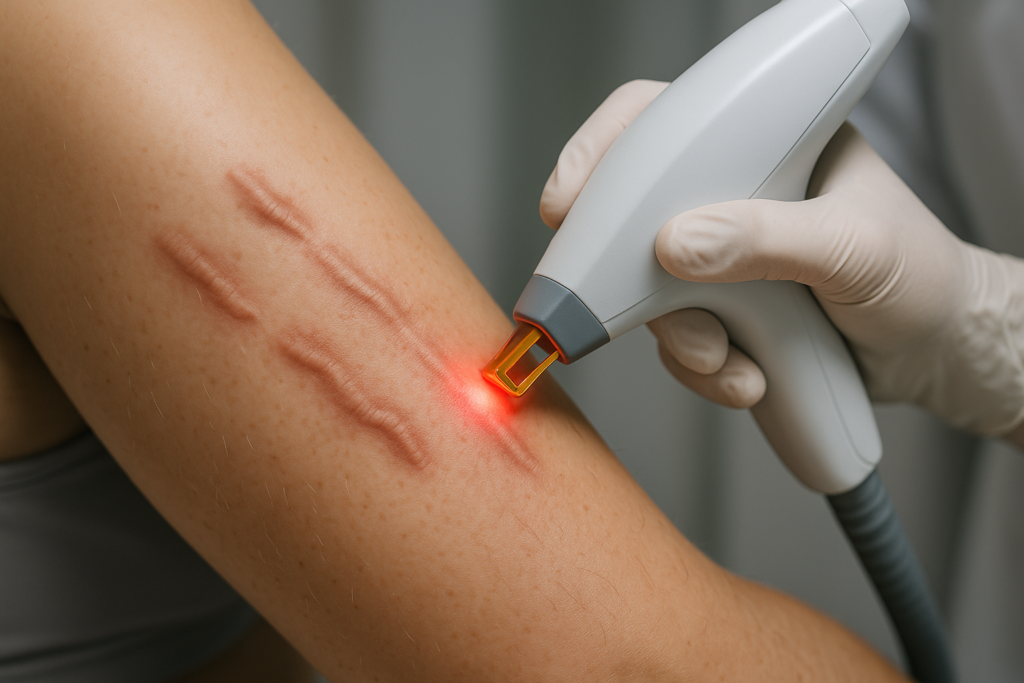
Does Laser Hair Removal Cause Scars? The Complete Guide to Safe Hair Removal
If you’re considering laser hair removal, one of the most common concerns is whether the treatment will leave permanent marks on your skin. The question “does laser hair removal cause scars” is frequently searched by those exploring this popular cosmetic procedure. The good news is that when performed correctly by trained professionals using appropriate equipment, laser hair removal rarely causes scarring. However, understanding the risks, proper aftercare, and choosing a reputable clinic are essential factors in ensuring safe, scar-free results. In this comprehensive guide, we’ll explore everything you need to know about laser hair removal and scarring, including risk factors, prevention strategies, and what to do if complications arise. Whether you’re interested in treatments for your face, legs, or bikini area, this article will help you make an informed decision.
Understanding Laser Hair Removal and Skin Impact
Laser hair removal has become one of the most sought-after cosmetic procedures worldwide, offering a long-term solution to unwanted hair. But how does this technology work, and what impact does it have on your skin?
How Laser Hair Removal Works
The laser hair removal process uses concentrated beams of light that target melanin (pigment) in hair follicles. The light energy is absorbed by the pigment, which converts to heat and damages the follicle, inhibiting future hair growth. This targeted approach is designed to affect only the hair follicle while minimizing damage to surrounding skin tissue.
Modern laser technology has advanced significantly, with multiple wavelengths and cooling systems that protect the skin’s surface. Devices are calibrated based on skin type, hair color, and treatment area to optimize results while minimizing risks.
Normal Skin Reactions vs. Scarring
It’s important to distinguish between normal post-treatment reactions and actual scarring. Common temporary side effects include:
- Redness and inflammation lasting several hours to a few days
- Slight swelling in the treated area
- Temporary pigment changes that resolve naturally
- Mild tenderness or sensitivity
- A sunburn-like sensation
True scarring, on the other hand, involves permanent changes to skin texture, including raised (hypertrophic) scars, depressed (atrophic) scars, or keloid formation. These complications are rare when proper protocols are followed.
The Science Behind Laser-Skin Interaction
The key to preventing scars lies in understanding selective photothermolysis—the principle that allows lasers to target specific structures without damaging surrounding tissue. When settings are appropriate for your skin type and the technician uses correct techniques, the thermal injury is confined to the hair follicle. However, excessive heat, improper settings, or treating unsuitable skin can cause collateral damage that may result in scarring.
Risk Factors That May Lead to Scarring
While laser hair removal is generally safe, certain factors can increase the risk of scarring. Understanding these risk factors helps you take preventive measures and make informed decisions about your treatment.
Skin Type and Tone Considerations
The Fitzpatrick skin type scale (I-VI) plays a crucial role in laser hair removal safety. Darker skin tones contain more melanin in the epidermis, which can compete with hair follicles for laser energy absorption. If not properly adjusted, this can lead to:
- Burns to the skin surface
- Post-inflammatory hyperpigmentation
- Potential scarring from thermal injury
Advanced lasers like Nd:YAG are specifically designed for darker skin tones, as they penetrate deeper while bypassing surface melanin. Whether you’re seeking treatment for your neck or underarms, ensuring your technician uses appropriate settings for your skin type is essential.
Technician Experience and Equipment Quality
The expertise of your practitioner significantly impacts treatment safety. Inexperienced technicians may:
- Use incorrect laser settings for your skin type
- Apply excessive overlapping pulses
- Fail to recognize adverse reactions early
- Use outdated or poorly maintained equipment
Quality clinics invest in FDA-approved devices, regular equipment maintenance, and ongoing staff training. These factors substantially reduce scarring risks.
Pre-existing Skin Conditions
Certain skin conditions increase vulnerability to scarring from laser treatments:
- Active acne or skin infections
- Eczema or psoriasis in the treatment area
- History of keloid scarring
- Recent sunburn or excessive tanning
- Use of photosensitizing medications
A thorough consultation should identify these contraindications before proceeding with treatment. In some cases, addressing skin concerns with treatments like a signature cleansing facial before laser hair removal may be beneficial.
Improper Aftercare Practices
Even perfect treatment technique can be undermined by poor aftercare. Common mistakes that increase scarring risk include:
- Sun exposure without adequate SPF protection
- Picking at scabs or blisters
- Using harsh skincare products too soon
- Engaging in activities that cause excessive sweating
- Applying makeup or fragranced products immediately after treatment
How to Prevent Scarring from Laser Hair Removal
Prevention is always better than treatment when it comes to scarring. By following these evidence-based strategies, you can minimize your risk and enjoy smooth, scar-free results.
Choosing a Qualified Provider
Your first and most important decision is selecting a reputable clinic. Look for:
- Licensed medical professionals or certified laser technicians
- Clinics with multiple positive reviews and before-after photos
- FDA-approved laser equipment appropriate for various skin types
- Comprehensive consultation processes that include patch testing
- Clear protocols for managing complications
Don’t hesitate to ask about the technician’s training, the specific laser they’ll use, and how they customize treatments for different areas like chest or back treatments.
Pre-Treatment Preparation
Proper preparation significantly reduces scarring risk:
- Avoid sun exposure and tanning for at least 4-6 weeks before treatment
- Discontinue photosensitizing medications as directed by your provider
- Shave the treatment area 24 hours before your appointment (don’t wax or pluck)
- Arrive with clean, product-free skin
- Stay well-hydrated in the days leading up to treatment
- Inform your technician of any new medications or skin changes
During Treatment: What to Expect
A professional treatment should include:
- Skin assessment and confirmation of appropriate settings
- Application of cooling gel or use of integrated cooling systems
- Test pulses to verify your skin’s response
- Consistent technique without excessive overlapping
- Immediate cooling or soothing treatments post-procedure
Communicate openly during treatment. If you experience severe pain or burning rather than mild discomfort, alert your technician immediately.
Post-Treatment Care Protocol
The days following treatment are critical for preventing scarring:
- Apply cool compresses to reduce inflammation
- Use gentle, fragrance-free moisturizers
- Apply broad-spectrum SPF 30+ sunscreen daily
- Avoid hot showers, saunas, and steam rooms for 48 hours
- Skip intense exercise for 24-48 hours
- Don’t pick at any crusting or blistering
- Follow any prescribed topical treatments exactly as directed
For facial treatments, complementary procedures like anti-aging facials should be scheduled with appropriate time gaps as recommended by your provider.
Treating Different Body Areas: Special Considerations
Different body areas have varying sensitivities and scarring risks. Understanding these nuances helps ensure optimal results across all treatment zones.
Facial Hair Removal
The face has thinner, more delicate skin that requires extra care. Areas like the upper lip, chin, and jawline are particularly sensitive. Ear hair removal requires specialized techniques due to the irregular contours and delicate skin.
Facial treatments demand conservative settings, especially for first sessions, with gradual intensity increases as your skin builds tolerance. Post-treatment redness typically resolves within hours, but proper sun protection is critical since facial skin receives constant UV exposure.
Body Hair Removal
Larger body areas like full body, full arms, or half legs generally tolerate laser treatment well. Thicker skin on areas like the back and shoulders can handle higher energy levels with lower scarring risk.
However, areas with more sensitive skin, such as the inner arms or inner thighs, require adjusted settings. The shoulder area can be prone to keloid formation in susceptible individuals, warranting extra caution.
Sensitive Areas
The bikini and Brazilian areas have thin, sensitive skin with more melanin than surrounding areas, especially along the bikini line. These factors make bikini & Brazilian laser hair removal more challenging and potentially higher risk for pigmentation changes.
Experienced technicians use conservative approaches, excellent cooling, and may recommend longer treatment intervals for these areas. Strict adherence to aftercare is essential, as these areas are prone to friction from clothing.
What to Do If Scarring Occurs
Despite all precautions, scarring can occasionally occur. Knowing how to identify and address it early can minimize long-term effects.
Early Recognition of Problem Signs
Contact your provider immediately if you notice:
- Blistering that doesn’t heal within a few days
- Severe pain or burning persisting beyond 48 hours
- Signs of infection (increasing redness, warmth, pus, or fever)
- Skin texture changes becoming apparent
- Pigmentation changes lasting beyond 2-3 weeks
Early intervention can prevent minor complications from progressing to permanent scarring.
Medical Treatment Options
If scarring develops, several treatments can improve appearance:
- Topical treatments: Silicone gel sheets, prescription creams containing tretinoin or hydroquinone
- Corticosteroid injections: For raised scars or keloids
- Laser resurfacing: Fractional lasers can improve scar texture and color
- Microneedling: Stimulates collagen production to smooth depressed scars
- Chemical peels: Can address pigmentation irregularities
Some clinics offering comprehensive skin treatments, including laser skin tightening, may have additional technologies to address scarring complications.
Natural Remedies and Home Care
While medical intervention is often necessary for significant scarring, some natural approaches may support healing:
- Vitamin E oil: May improve scar appearance when applied consistently
- Aloe vera: Soothes skin and may promote healing
- Proper hydration: Supports skin regeneration
- Gentle massage: May improve scar flexibility once fully healed
- Sun protection: Prevents darkening of scars
Always consult your provider before applying anything to scarred skin, as some remedies may interfere with professional treatments.
Legal and Consumer Rights
If scarring results from negligence or improper treatment:
- Document everything: Take photos, keep all records and communications
- Report to the clinic management and request remedial action
- File complaints with relevant licensing boards if appropriate
- Consult with a medical malpractice attorney if necessary
- Leave honest reviews to warn other consumers
Reputable clinics carry liability insurance and should work with you to address complications professionally.
Comparing Laser Hair Removal Risks to Other Methods
To put the question “does laser hair removal cause scars” in perspective, it’s helpful to compare it with alternative hair removal methods.
Traditional Hair Removal Methods
Shaving, while generally safe, can cause:
- Razor burn and irritation
- Ingrown hairs that may scar if infected
- Nicks and cuts that could leave marks
- Folliculitis (inflammation of hair follicles)
Waxing carries risks including:
- Skin lifting or tearing, especially on sensitive or aging skin
- Burns from hot wax
- Infection from unsanitary practices
- Hyperpigmentation from repeated trauma
- Permanent scarring from severe reactions
Threading and tweezing can cause follicle damage, ingrown hairs, and potential scarring from repeated trauma to the same areas.
Chemical Depilatories
Hair removal creams contain harsh chemicals that can cause:
- Chemical burns if left on too long
- Allergic reactions leading to scarring
- Skin thinning from repeated use
- Pigmentation changes
Electrolysis Comparison
Electrolysis, the only truly permanent hair removal method, carries its own risks:
- Higher scarring potential than laser, especially with inexperienced practitioners
- Pit scarring from improper probe insertion
- More painful than laser treatment
- Longer treatment times
- Higher infection risk from multiple skin penetrations
When performed by qualified professionals, laser hair removal actually presents lower scarring risk than many traditional methods, particularly for large areas.
Long-term Benefits vs. Short-term Risks
Consider that while laser hair removal involves minimal short-term risks when done properly, it eliminates the need for daily or weekly hair removal that cumulatively exposes skin to repeated trauma. This means fewer ingrown hairs, less irritation, and ultimately healthier skin over time.
For those seeking long-term solutions for areas like half arms or full legs, the temporary risks of laser treatment are minimal compared to decades of shaving or waxing complications.
Frequently Asked Questions About Laser Hair Removal and Scarring
Can everyone safely undergo laser hair removal?
Most people are candidates for laser hair removal, but certain conditions require extra caution or contraindicate treatment entirely. Those with very dark skin may need specialized lasers, while those with very light hair may not respond well to treatment. Pregnant women, people with active skin infections, and those with certain medical conditions should postpone treatment.
How many sessions are needed, and does risk increase with multiple treatments?
Most people need 6-8 sessions for optimal results, spaced 4-8 weeks apart depending on the area. When properly spaced and performed correctly, multiple sessions don’t increase scarring risk. In fact, as hair becomes finer with each treatment, lower energy levels can be used, potentially reducing any risk.
Are at-home laser devices as safe as professional treatments?
At-home devices use lower energy levels than professional equipment, which reduces effectiveness but also minimizes risks. However, without professional assessment and monitoring, users may unknowingly have contraindications or use devices incorrectly, potentially causing burns or scarring. Professional treatments remain the safer, more effective option.
What should I look for in a laser hair removal clinic?
Seek clinics with licensed medical professionals, FDA-approved equipment, comprehensive consultations, transparent pricing, and positive verified reviews. The facility should be clean, staff should answer questions thoroughly, and you should feel comfortable with the expertise demonstrated.
Is there any permanent damage to skin from laser hair removal?
When performed correctly, laser hair removal doesn’t cause permanent skin damage beyond the intended destruction of hair follicles. Temporary pigmentation changes typically resolve within weeks to months. True permanent scarring is rare and usually results from improper technique, inadequate aftercare, or treatment of unsuitable candidates.
Summary and Next Steps
So, does laser hair removal cause scars? The evidence clearly shows that when performed by qualified professionals using appropriate equipment and techniques, laser hair removal rarely causes scarring. The key factors in ensuring safe, scar-free results include choosing a reputable clinic, honest disclosure of your medical history, proper pre-treatment preparation, and diligent aftercare.
While minor side effects like redness and temporary pigmentation changes are common and expected, true scarring occurs in less than 1% of properly performed treatments. By understanding risk factors—including skin type, existing conditions, and aftercare practices—you can further minimize already low risks.
Compared to the cumulative skin damage from years of shaving, waxing, or chemical treatments, professional laser hair removal offers a safer long-term solution for unwanted hair. The benefits of smooth, hair-free skin without the daily maintenance and repeated trauma of traditional methods make it an excellent investment in your appearance and confidence.
If you’ve been hesitating about laser hair removal due to scarring concerns, the information in this guide should provide reassurance. The technology has advanced significantly, safety protocols are well-established, and millions of people worldwide have undergone successful treatments without complications.
Ready to Experience Safe, Effective Hair Removal?
Don’t let unfounded fears hold you back from achieving the smooth, hair-free skin you desire. At Bright and Beauty Laser Clinic, we use state-of-the-art equipment and employ highly trained professionals who customize every treatment to your unique skin type and needs. Whether you’re interested in treating small areas or considering full body laser hair removal, we prioritize your safety and satisfaction above all else.
Schedule your complimentary consultation today to discuss your concerns, assess your candidacy, and develop a personalized treatment plan. Our experienced team will answer all your questions, perform a thorough skin evaluation, and may even offer a test patch to ensure your comfort and safety. Take the first step toward permanent hair reduction with confidence, knowing you’re in capable, caring hands.
Contact Bright and Beauty Laser Clinic now to book your appointment and discover why thousands of satisfied clients trust us for their laser hair removal needs. Your journey to smooth, beautiful, scar-free skin starts here!